A Practical Guide To A Quick Pantry Meal With Ingredients Worth Keeping On Hand
A practical step-by-step guide to a practical guide to a quick pantry meal with ingredients worth keeping on hand, including preparation, instructions, common issues, tips, and next steps.
A Practical Guide To A Quick Pantry Meal With Ingredients Worth Keeping On Hand
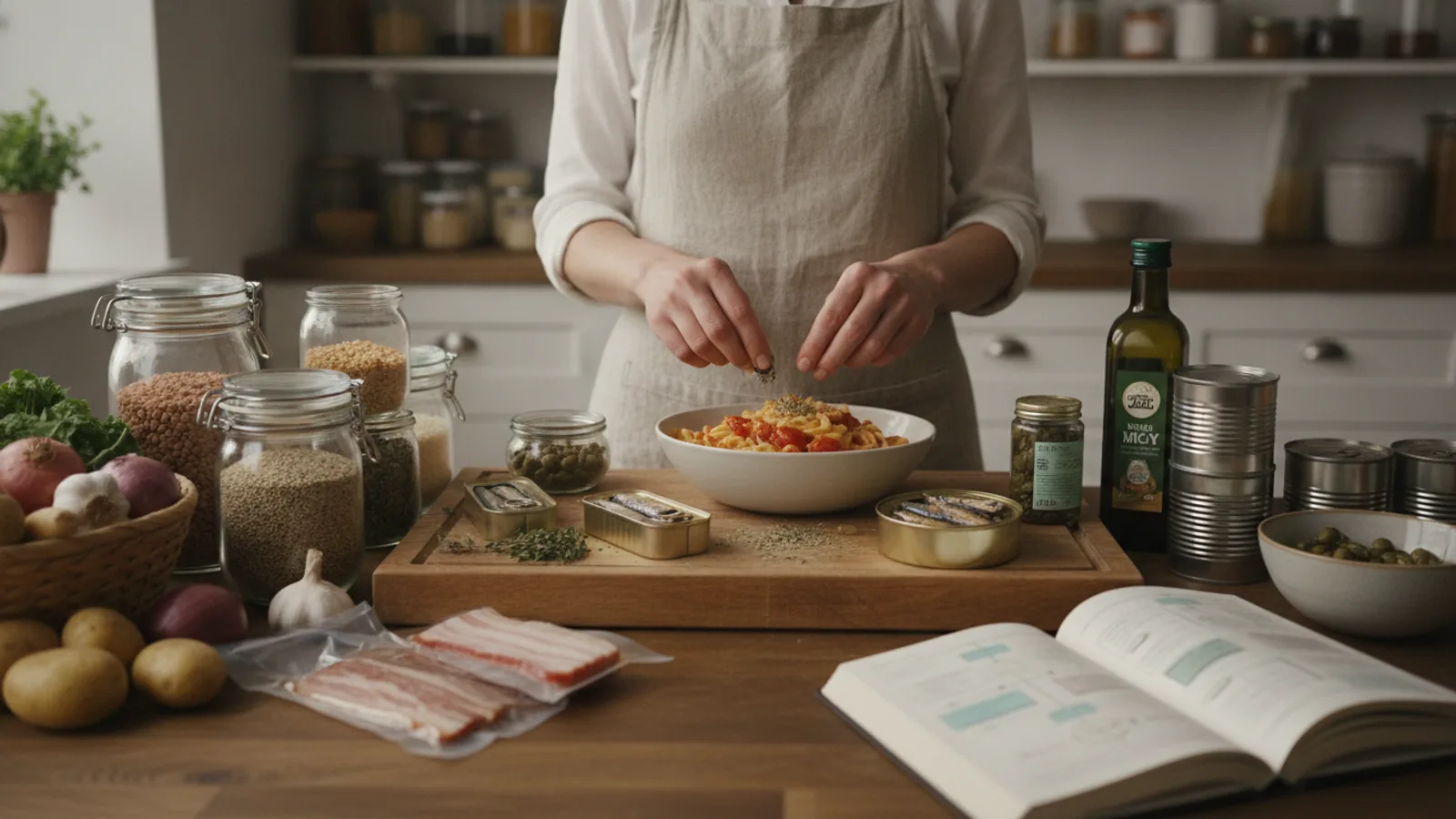
A quick pantry meal is a lifesaver when you need dinner fast and don't have fresh groceries. This guide shows you how to keep a few versatile ingredients on hand and turn them into a satisfying meal in under 30 minutes. You'll learn the pantry staples to stock, a simple formula for building a meal, and step-by-step instructions for a flexible recipe. The focus is on practicality: using what you have, avoiding waste, and creating a dish that's both nourishing and delicious. By the end, you'll feel confident in your ability to improvise a tasty meal from your pantry, even on the busiest days.
Fast Answer
- Keep a rotating set of shelf-stable basics like grains, beans, canned tomatoes, and spices, then combine them with one fresh or frozen vegetable and a protein from your pantry or fridge to create a quick meal.
- Use the 'grain + protein + vegetable + sauce' formula: cook a grain, add a protein (canned beans, eggs, or tuna), stir in a vegetable (frozen peas, canned corn, or fresh spinach), and top with a flavorful sauce (soy, salsa, or yogurt) for a balanced bowl.
Before You Start
- Assemble your pantry kit: one whole grain (brown rice, quinoa, or pasta), one canned or dried legume (black beans, chickpeas, or lentils), one canned vegetable (diced tomatoes, corn, or mushrooms), and a few spices (salt, pepper, garlic powder, and chili flakes).
- Dice a small onion and mince two garlic cloves, then store them in a sealed container in the fridge for up to three days so they're ready to cook with.
- Measure out one cup of your chosen grain and two cups of liquid (water or broth) into a small pot, and set it on the stove, ready to heat.
- Open one can of beans, drain and rinse them in a colander under cold water, then set them aside in a bowl next to the stove.
Step-by-Step Instructions
Start the Grain Base
Place your small pot of measured grain and liquid on the stove over high heat. When it comes to a rolling boil, stir once, reduce the heat to low, and cover tightly. Set a timer for the recommended cooking time on the package—usually 15-20 minutes for rice, 15 minutes for quinoa, or 9-12 minutes for pasta. Resist the urge to lift the lid, as that releases steam and lowers the temperature, making the grain unevenly cooked. This step is the foundation of your meal, so it's worth the patience. While the grain cooks, you'll prepare the other components, so the total time stays about 20 minutes. When the timer rings, fluff the grain with a fork and keep it covered.
Sauté the Onion and Garlic
While the grain bubbles, take a large skillet and set it over medium heat. Add a splash of oil—enough to coat the bottom—and let it shimmer for about 30 seconds. Toss in your diced onion and stir with a wooden spoon, cooking for 3-4 minutes until it becomes translucent and slightly golden at the edges. Add the minced garlic and cook for another 30 seconds, just until fragrant. These aromatics build a savory base that makes the whole meal taste rich. If you skip this step, the dish might taste flat. Watch closely: garlic burns quickly and turns bitter, so if you see the color change, immediately lower the heat. This step goes fast, so stay near the stove.
Add Beans and Vegetables
With the aromatics softened, lower the heat to medium-low. Add the drained and rinsed beans to the skillet, along with your chosen vegetable—canned corn, diced tomatoes, or frozen peas. Stir everything together gently. If you're using frozen vegetables, there's no need to thaw them first; the heat from the pan will warm them through in 2-3 minutes. If you're using canned tomatoes, include a little of the juice to create a light sauce. Cook for 5 minutes, stirring occasionally, until everything is heated and the flavors begin to meld. This step adds fiber, plant protein, and essential nutrients. Taste a piece of bean to ensure it's not undercooked or too crunchy. If the mixture looks dry, add a splash of water or the leftover liquid from the tomatoes.
Season the Mixture
Turn off the heat under the skillet and season the bean-vegetable mixture with an even hand. Start with a quarter teaspoon of salt, a few cranks of black pepper, and a half teaspoon of garlic powder if you didn't use fresh garlic. Add a pinch of chili flakes for warmth or a squeeze of lemon juice for brightness. Stir thoroughly, then taste and adjust—perhaps you want more salt or a dash of smoked paprika for depth. This is your chance to tailor the dish to your palate, so trust your judgment. Proper seasoning is what transforms simple ingredients into a memorable meal. If it doesn't taste vibrant, you might need a bit more salt or an acid like vinegar. Remember, you can always add more, but you can't take it away, so go slowly.
Assemble the Bowl
Check your grain—it should be tender and the liquid absorbed. Fluff it with a fork and scoop a generous portion into two shallow bowls or one large serving dish. Spoon the bean and vegetable mixture over the top, creating a hearty layer. If you have any fresh greens like lettuce or herbs, scatter them on top for crunch and color. Now, add a dollop of something creamy—plain yogurt, sour cream, or a scoop of hummus—to bring all the components together. Drizzle with a little olive oil or a spoonful of your favorite sauce, such as salsa or hot sauce, if you like. This layering creates visual and textural contrast, making the meal more satisfying. Take a look at your bowl: does it need more color? More crunch? Add what you have.
Serve and Store Leftovers
Serve your bowl immediately while it's warm, and enjoy it mindfully. The combination of whole grains, legumes, and vegetables makes a balanced meal that's rich in fiber and plant protein. If you have leftovers, let the mixture cool completely to room temperature, but don't leave it out for more than two hours. Then transfer it to an airtight container and store it in the refrigerator for up to four days. Reheat only the portion you plan to eat, either in the microwave for 1-2 minutes or in a skillet with a splash of water to prevent drying. This step prevents food waste and gives you a quick lunch or dinner later in the week, which is one of the great benefits of pantry cooking.
Quick Reference
| Situation | Action | Why it helps |
|---|---|---|
| You're out of one key ingredient, like black beans, but you have other canned possibilities. | Swap in another can of beans, chickpeas, lentils, or even a handful of frozen edamame or a can of tuna. Just make sure it's a similar texture and protein-rich. | The formula is flexible, so any protein source will work as long as you season it well. Different beans bring different flavors, and you'll still get a filling, balanced meal. |
| Your grain is taking longer than expected because you misread the package instructions. | Turn off the heat, add a few tablespoons of hot water, cover again, and let it sit for 5 extra minutes. Check regularly, and if it's still hard, continue cooking with low heat and more liquid, 5 minutes at a time. | Heat and moisture are essential for grains to soften. Adding a little water and resting allows them to absorb it, while patience prevents burning or an undercooked core. |
| The dish tastes bland or lacks a punch even after salting. | Add a tablespoon of an acid like lemon juice, lime juice, or vinegar, and also stir in a pinch of sugar or honey. Taste again, and if that's enough, add a sprinkle of smoked paprika or curry powder. | Acidity brightens all flavors and balances salt, while a touch of sweetness rounds out bitterness. Spices add depth, turning dull ingredients into a lively sauce. |
Common Issues
- Mushy grains that stick together, like rice that turns out gluey.: For rice, use a ratio of 1:2 (grain to water) and do not stir while it cooks. Rinse the rice first until the water runs clear to remove excess starch. After cooking, let it rest without heat for 5 minutes, then fluff with a fork.
- Burnt garlic that makes the dish taste bitter and harsh.: If it's just a few dark bits, scrape them out immediately and remove any burnt pieces. For the whole batch, start over with the aromatics, but cook garlic on lower heat and only for 30 seconds. You can also mist a little lemon juice to mask the burnt taste.
- Beans are still hard or taste metallic from the can.: Make sure you drain and rinse the beans thoroughly in a colander under cold running water for at least 30 seconds. Then simmer them in a little water or broth with a bay leaf for 10 minutes before adding to the dish. This removes the metallic taste and softens them.
Advanced Tips
- Toast your grains, like rice or quinoa, in the pan with a little oil for 2 minutes before adding liquid. This adds a nutty flavor and reduces cooking time slightly.
- Make a 'pantry dressing' from oil, vinegar, mustard, and honey, and keep it in a jar. Just shake and drizzle over anything, adding instant brightness.
- Keep a few umami-rich ingredients like a jar of capers, a tube of tomato paste, or a bottle of fish sauce. A small spoonful can turn an average dish into something savory and unforgettable.
Final Checklist
- Set a timer for the grain and let it cook undisturbed until done.
- Sauté aromatics until soft, then add beans and vegetables and heat through.
- Season to taste with salt, pepper, acids, and spices, judging by taste.
- Assemble your bowl with the grain, savory topping, and any creamy or crunchy addition, then store leftovers promptly.
FAQ
Can I use frozen vegetables instead of canned for this meal?
Absolutely. Frozen vegetables are a great alternative because they are picked at peak ripeness and retain nutrients. Add them to the skillet in the same step as you would add canned vegetables. Since they are already blanched, they only need a few minutes to heat through. They may release a bit of water, which actually helps create a light sauce. If you're using frozen spinach or kale, squeeze out excess liquid after they thaw, but for most vegetables like peas, corn, or mixed medleys, you can add them directly from the bag.
What if I don't have any type of onion or garlic?
You can still make a flavorful meal. Use a pinch of onion powder and garlic powder instead—they keep for a long time and are pantry staples. Sauté them in the oil as if they were fresh, and they will infuse the oil with flavor. Alternatively, you can skip the aromatic step altogether and instead add a spoonful of your favorite salsa or a bit of seed or nut butter to the saucy mixture for richness. The meal will be simpler but still tasty. Trust your seasonings, and consider adding a splash of soy sauce or Worcestershire sauce for depth.
How can I make this meal more filling for a hearty appetite?
To boost the protein and calories, you can add a scoop of nut or seed butter (like peanut or tahini) to the sauce, or sprinkle a handful of chopped nuts or seeds on top. Another option is to serve the bowl with a fried or poached egg on top, which adds about six grams of protein for a small amount. You can also double the amount of beans or include a cup of cooked quinoa, which is higher in protein than rice. Plus, adding a side of whole-grain toast, cornbread, or pretzels can create a more substantial meal.