Common Mistakes When Setting Up A Quick Pantry Meal With Ingredients Worth Keeping On Hand
A practical step-by-step guide to common mistakes when setting up a quick pantry meal with ingredients worth keeping on hand, including preparation, instructions, common issues, tips, and next steps.
Common Mistakes When Setting Up A Quick Pantry Meal With Ingredients Worth Keeping On Hand
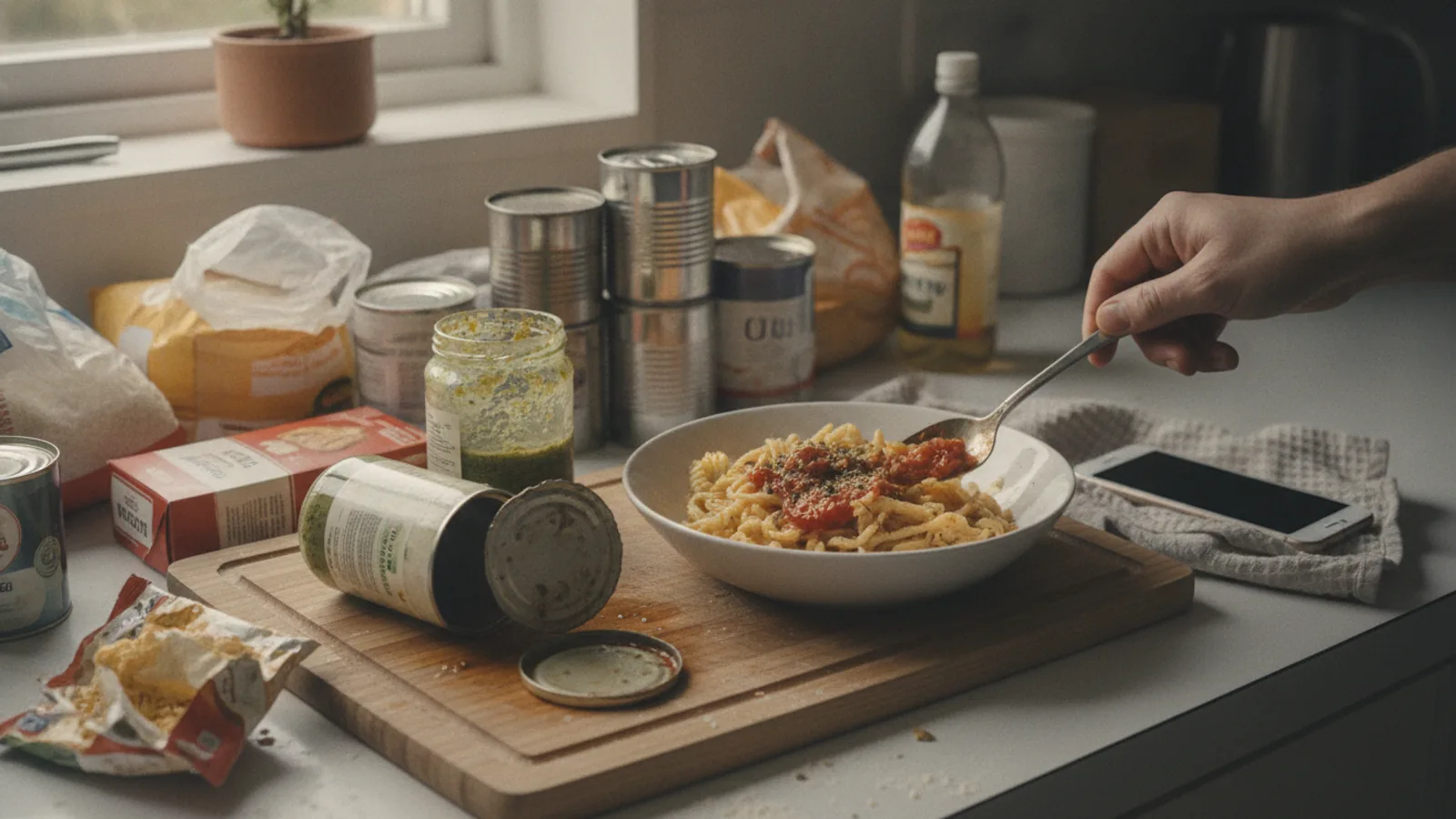
Setting up a quick pantry meal sounds simple, but small oversights can turn a fast dinner into a frustrating mess. This guide covers the most common mistakes—from ignoring flavor balance to skipping a final taste test—and shows you exactly how to avoid them. You will learn how to choose versatile ingredients, prep your pantry for speed, cook with confidence, and rescue a dish when something goes wrong. By following these steps, you can turn basic shelf staples into a satisfying, quick meal without stress. The focus is on practical, simple techniques that work in any kitchen and with any set of ingredients you already have. You will also find quick reference tables and answers to frequent questions to help you troubleshoot on the spot.
Fast Answer
- The biggest mistake is not having a balanced pantry: you need fat, acid, salt, and a flavor boost like spices or condiments to make a meal taste complete, not just filling.
- Another common error is skipping the 'taste and adjust' step at the end; even a simple pantry dish needs a final check for salt, heat, and freshness to avoid a bland or overly salty result.
Before You Start
- Before you start, take a quick inventory of your pantry for canned beans, tomatoes, rice, pasta, oils, vinegars, spices, and dried herbs. Make a mental list of what you have so you can plan a meal without extra shopping.
- Check expiration dates on jars, cans, and spices, and give a quick sniff to any oils or dried herbs to see if they still smell fresh. Rancid oil or old spices can ruin a dish.
- Read the full recipe or your own plan before you begin, and gather all tools like a pot, pan, colander, and a wooden spoon. Set everything on the counter so you won't hunt for a lid mid-cooking.
- If you use canned beans or vegetables, drain and rinse them unless the recipe says otherwise. This removes excess sodium and gives you better control over the final flavor.
Step-by-Step Instructions
Choose a Flavor Anchor and Supporting Ingredients
Start by selecting one main flavor that will define the meal, such as a jar of curry paste, a can of diced tomatoes with chiles, or a spice blend like cumin and paprika. Then pick two or three supporting ingredients that go with it, such as beans, rice, or pasta. For example, if you choose a tomato-based sauce, you might pair it with canned cannellini beans and quick-cooking couscous. The anchor gives the dish direction, while the supporters provide body and texture. A common mistake is to combine too many competing flavors or to have no clear anchor, which results in a muddled taste. To check your choice, ask: 'Would these flavors work together in a classic dish?' If you're unsure, stick to a simple combination like beans and rice with a single spice blend. This step is important because it creates a cohesive meal rather than a random pile of ingredients. Tip: Keep a list of your favorite anchor-and-supporter pairs on your fridge, like 'tomato + beans + rice' or 'soy sauce + rice + frozen vegetables'.
Start with the Base: Aromatics and Oil
Heat a small amount of oil in a pan over medium heat, then add chopped onion, garlic, or any fresh or dried aromatics you have. If you don't have fresh, use a pinch of garlic powder or onion flakes, but remember they are not as strong, so you may need a bit more. Sauté for one to two minutes until fragrant and slightly translucent. This step creates a flavorful base that will carry through the whole dish. A common mistake is to skip this step or to burn the aromatics because the heat is too high. To check, you should see them soften without browning too much unless you are aiming for a roasted flavor. This matters because aromatic oil is the first layer of taste; without it, the meal can taste flat. Tip: If you have a single onion that is about to sprout, use it here—it will still add good flavor.
Add the Main Bulk and Liquid: Cook the Base
Add your main ingredient, such as canned beans, diced tomatoes, or pre-cooked grains, to the aromatics. Stir to coat everything with the oil and seasonings. Then add liquid—water, broth, or the liquid from canned beans if you want a richer sauce. The amount of liquid depends on what you are making: for a soup, add more; for a stir-fry, add only a splash. Bring the mixture to a simmer, then reduce heat so it gently cooks. This step is where the meal comes together, so do not rush it. A common mistake is to add too much liquid and end up with a watery dish, or to add too little and burn the bottom. To check, the liquid should be just enough to create a thick broth or sauce that coats the ingredients without being soupy. This matters because a proper liquid-to-solid ratio gives you a pleasant texture rather than a stew that falls apart or a dry mess. Tip: If you accidentally add too much liquid, let it simmer uncovered for a few extra minutes to reduce it before tasting.
Season in Layers: Spices and Salt
Now is the time to add your dry spices and salt, but do it in two or three small additions. Start with a small amount, stir, and let it cook for a minute, then taste. Add more only if needed. This layered seasoning allows the flavors to develop gradually, and it helps you avoid over-salting because you can taste as you go. A common mistake is to add all the spices at the beginning or to add a full teaspoon of salt without tasting. To check, the aroma should be noticeable, and the taste should be balanced but not overwhelmingly salty or spicy. This step is essential because pantry staples often have varying salt contents, so the correct amount depends on your specific ingredients. Tip: Keep a small spoon in your hand to taste often; this is the only way to know if you need more cumin or a squeeze of lime.
If Needed, Add Fresh Elements to Brighten the Dish
Look around for any fresh items you have, such as a handful of spinach, a lemon, or a leftover carrot. If you have something like a green herb or a citrus fruit, add it at the end of cooking. For example, stir in a handful of fresh spinach and let it wilt, or squeeze half a lemon over the finished meal. These fresh ingredients provide color, texture, and a lively contrast to the heavier pantry staples. A common mistake is to ignore fresh items because you think they are optional; however, even a simple garnish like chopped parsley or a slice of fresh tomato can change the entire perception of the dish. To check, your meal should have at least one element that tastes fresh, whether it is citrus, herbs, or a crisp vegetable. This matters because you want to avoid a heavy, monotonous texture and flavor. Tip: If you have no fresh items, use a sprinkle of dried herbs or a drizzle of good vinegar to mimic the effect.
Taste, Adjust, and Serve with a Final Check
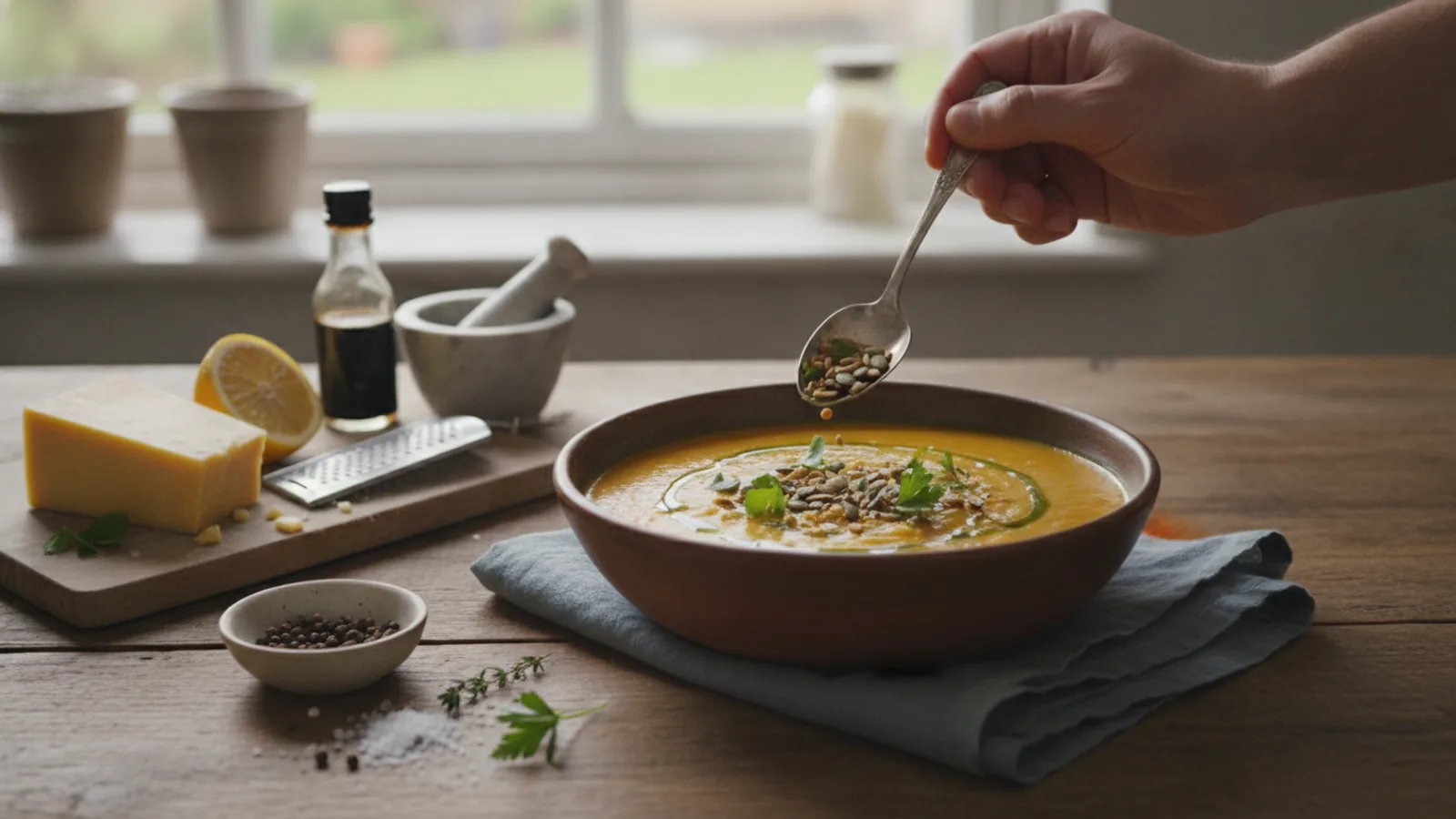
After the meal is fully cooked, turn off the heat and let it sit for a minute. Take a spoonful and taste it thoroughly: check for saltiness, sweetness, and any lack of balance. If it tastes flat, add a small pinch of salt and a bit of acid (vinegar or lemon) to brighten. If it is too spicy, add a spoonful of yogurt, coconut milk, or a bit of sugar to tone it down. If it is too thick, add a splash of water; if too thin, let it simmer uncovered. Once you are satisfied, serve it in a bowl, and top with anything you have, like a drizzle of oil or a sprinkle of seeds. A common mistake is to skip this final step, thinking the meal is already done. That can lead to a bland or overly salty serving. To check, the final taste should have a clear 'yum' reaction from you. This makes the difference between an average meal and a memorable one. Tip: Always taste at room temperature; sometimes the dish's flavors change as it cools.
Quick Reference
| Situation | Action | Why it helps |
|---|---|---|
| You have a can of black beans, rice, and some cumin in your pantry. | Cook the rice according to package directions, then sauté garlic and cumin in oil, add the beans with a little water, and simmer for five minutes. Serve over rice and add a squeeze of lime if you have it. | This combination gives you a complete protein and a warm, satisfying flavor, and it uses only shelf-stable ingredients. |
| Your canned tomatoes taste too acidic or sharp after you add them to the pot. | Stir in a pinch of sugar or a few diced carrots or a spoonful of tomato paste cooked briefly to balance the acidity, then taste and adjust. | A touch of sweetness rounds out the sharpness of canned tomatoes, making the sauce more balanced without masking the tomato flavor. |
| You have only a little bit of various leftover grains like quinoa, couscous, and rice. | Combine them in a skillet with some oil and sauté for a few minutes to warm through, then add beans and a simple vinaigrette made from oil and vinegar, plus any spices you like. | This uses up leftovers and creates a new meal with varied textures, preventing food waste and giving you a quick grain bowl. |
Common Issues
- Dish is too salty after you added all ingredients without tasting.: Add a splash of acid like lemon juice or vinegar, a spoonful of honey or sugar, or a potato cut in half and simmer for ten minutes to absorb some salt. You can also serve it over plain rice or bread to dilute the saltiness per bite.
- Meal is dry and crunchy in spots, like undercooked pasta or rice stuck to the pan.: Add a little hot water or broth (about a quarter cup at a time) and stir gently over low heat, scraping the bottom. Cover and let it steam for a few minutes to soften, then check often. For pasta, you can also remove it and cook in boiling water separately if it is still hard.
- The dish tastes bland or flat even though you used spices.: Instead of adding more salt, intensify the flavors: sauté the spices in oil for a minute to release their oils (blooming), add a splash of vinegar or lemon juice, and include a bit of umami from soy sauce, miso, or a small piece of kombu. Taste after each addition.
Advanced Tips
- Make a 'pantry kit' of go-to ingredients like canned beans, diced tomatoes, rice, pasta, oil, vinegar, salt, pepper, and a few spices, so you always have the base for a quick meal without thinking.
- Learn to make a flexible sauce that can go on many things: whisk equal parts oil and vinegar, add a spoonful of mustard or honey, and season with herbs—this will dress any grain or bean bowl.
- When you drain canned beans, save the liquid (aquafaba) for vegan baking or as a thickener; it adds silky texture to soups and stews.
Final Checklist
- Before you start, you have all the ingredients you plan to use, and they are within their best-by dates.
- You have read the recipe or your plan and gathered the needed pots, pans, and utensils to avoid a mid-cooking search.
- You have tasted the meal at the end and adjusted salt, acid, or spice levels to your liking.
- You have considered adding a fresh element or a final flourish to brighten the dish, even if it is just a squeeze of lemon or a sprinkle of herbs.
FAQ
What is the most important ingredient to keep on hand for a quick pantry meal?
A versatile fat is the most important: choose an oil like olive, canola, or coconut. Fat carries flavor, helps ingredients cook evenly, and adds mouthfeel. Even the simplest beans and rice taste better when sautéed in a little oil. Also, have a source of acid like vinegar or lemon, as it brightens the final dish.
How long should I simmer a canned tomato sauce to make it taste good?
About 15 to 20 minutes on a low simmer is usually enough to meld flavors, but you can do less if you are in a hurry. The key is to not boil it fiercely; if you have time, a longer, gentler simmer deepens the flavor. Taste regularly, and adjust salt and spices at the end.
Can I use dried beans instead of canned for a quick meal?
Yes, but you must soak and cook them ahead of time, which takes longer. For a truly quick pantry meal, canned beans are more practical. If you want to use dried, you can cook a large batch on the weekend and refrigerate or freeze them in portions so they are ready for quick use later.