Common Mistakes When Setting Up A Reliable Weeknight Dinner Plan For A Busy Family
A practical step-by-step guide to common mistakes when setting up a reliable weeknight dinner plan for a busy family, including preparation, instructions, common issues, tips, and next steps.
Common Mistakes When Setting Up A Reliable Weeknight Dinner Plan For A Busy Family
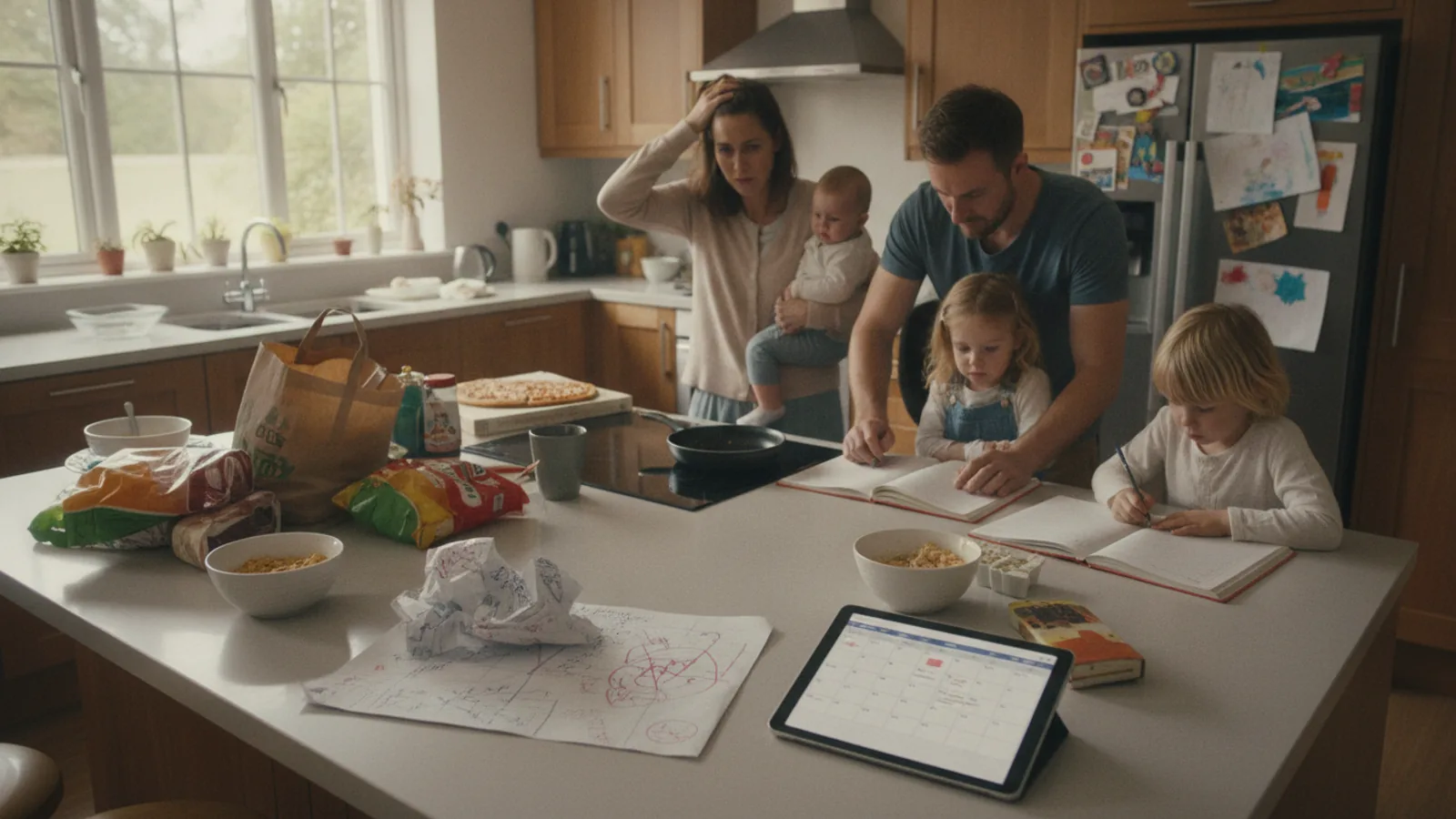
A reliable weeknight dinner plan for a busy family fails when it is too rigid, ignores real schedules, or tries to be perfect. This guide walks you through the common mistakes—like overcomplicating recipes, skipping a weekly review, or not prepping ahead—and shows you how to build a flexible, realistic system. You will learn to create a master list of go-to meals, set up a simple prep routine, and adjust your plan based on what actually happens. The goal is a plan that reduces stress, saves time, and gets dinner on the table without burnout.
Fast Answer
- Start by writing down three to five dinners your family already enjoys, then rotate them weekly with one new recipe to test.
- Pick one day each week to review your calendar, check ingredient inventory, and shop with a short list—this prevents last-minute chaos.
Before You Start
- Before planning, ask each family member for one dinner they would love to eat next week; write these down and circle the ones that are easy to cook.
- Check your pantry, fridge, and freezer for staples like pasta, rice, canned tomatoes, frozen vegetables, and proteins that can become quick meals.
- Decide on two or three 'emergency' meals that you can make with shelf-stable ingredients in under 20 minutes, so you always have a fallback.
- Keep a running list of meals that were hits and flops; this helps you avoid repeats that nobody liked and makes planning faster.
Step-by-Step Instructions
Assess Your Real Week
Start by looking at your actual week, not an ideal one. Write down every commitment for each evening: work hours, school events, sports, lessons, appointments, and any travel. Be honest about how much cooking time you realistically have each day. For example, Monday might be chaotic with back-to-back activities, while Thursday may be free. This assessment is your foundation because a plan that ignores your real schedule sets you up for failure. After listing your commitments, mark each evening as low, medium, or high cooking time availability. This simple check ensures that on busy nights you schedule quick meals or leftovers, and on relaxed nights you might try a new recipe.
Build a Reusable Meal List
Make a master list of 15 to 20 dinners that your family enjoys and that you can cook without a recipe. Divide the list into three categories: quick meals (under 20 minutes), standard meals (20 to 40 minutes), and slow meals (over 40 minutes or slow-cooker). This list becomes your planning toolbox. When you sit down to plan, you will pull from these categories rather than dreaming up new meals from scratch. This saves time and reduces decision fatigue. To check, count how many meals you have in each category—aim for at least five quick meals, eight standard, and two slow. If you have fewer, brainstorm simple ideas like stir-fries, tacos, or pasta with a jar of sauce.
Create a Flexible Weekly Template
Instead of assigning a specific meal to each night, create a template that repeats weekly but has flexibility. For example, you might follow a pattern: Monday is a quick sheet-pan meal, Tuesday is a slow-cooker dinner, Wednesday is leftovers, Thursday is a 20-minute stir-fry, Friday is fun food (pizza or burgers), Saturday is a new recipe, and Sunday is a family cooking session. The template gives structure without pinning you down to exact meals. When you plan each week, you choose meals that fit these categories based on your schedule and what you have on hand. This prevents the common mistake of overplanning every single day, which leaves no room for life. Check that your template has at least two 'easy' nights, one leftover night, and one night for trying something new.
Review Inventory and Shop Once
Once you have your weekly meal choices, take 5 minutes to check what ingredients you already have. Look for proteins, vegetables, and staples that are about to expire or need using up. Write a short shopping list only for missing items. Then, commit to shopping one time for the week—whether it is a trip to the store on Saturday or a delivery on Sunday. This habit prevents multiple midweek runs, which are a common time-waster. During your check, physically inspect the pantry, refrigerator, and freezer. Note what you have on hand and what you need. This check ensures you do not buy duplicates and that you actually use what you already own, reducing waste and saving money.
Prep for the Week in a Short Session
Set aside 30 to 60 minutes on your shopping day or a quieter evening to do simple prep. You might wash and chop vegetables, cook a batch of rice or quinoa, marinate proteins, or pre-measure spices. Store everything in clear containers so you can see what is ready. This investment pays off because on busy weeknights you simply assemble rather than start from scratch. A practical check is to choose two or three tasks that will actually save you the most time—like dicing onions, steaming potatoes, or cooking ground meat. Do not overdo it; focus on the meals you planned. This session also helps you catch any missing ingredients before you need them.
Execute with Built-in Backup Plans
When the week arrives, follow your plan but stay flexible. Assign each evening a 'backup' option—for example, if you planned a stir-fry but are too tired, you can swap in a quick pasta with jarred sauce. You should also have a designated 'leftover night' to clear out any uneaten food from earlier in the week. This execution phase is where most plans fail because people treat them as rigid contracts. Instead, allow yourself to swap meals between days based on mood and energy. A practical check is to look at your schedule each morning and confirm that tonight's meal still works: do you have the ingredients, time, and energy? If not, pivot to your backup.
Quick Reference
| Situation | Action | Why it helps |
|---|---|---|
| You get home late from a work meeting and have no energy to cook. | Pull out a pre-made emergency meal from the freezer, like a batch of soup or casserole, and heat it up. | Having a backup meal ready prevents the urge to order takeout and keeps you on track without stress. |
| You planned a new recipe for tonight, but the kids are extra tired and cranky. | Swap the new recipe for a familiar favorite from your easy list, like tacos or spaghetti with meatballs. | A familiar meal is likely to be accepted without fuss, reducing mealtime battles and preserving the joy of dinner. |
| You open the fridge and realize you forgot to buy a key ingredient for tonight's meal. | Scan your leftovers and pantry; if you have pasta and canned tomatoes, you can make a quick pasta dish instead. | Being flexible and using what you have is faster than a store run and keeps dinner on track. |
Common Issues
- You plan seven different complex meals, but by Wednesday you are exhausted and order pizza.: Simplify your template to include at least two easy nights, one leftover night, and one 'fun' meal. Rotate from a set list of reliable meals rather than trying new ones every day.
- You forget to check what you already have, so you buy duplicate ingredients and waste money.: Do a 5-minute inventory of your pantry, fridge, and freezer before writing your shopping list. Keep a running list of what you need on the fridge, and stick to that list when shopping.
- Your plan has no flexibility, so any small change like a late meeting throws off the whole week.: Build slack into your plan by designating one night as 'leftover or pantry' and making sure you have a few quick backup meals in the freezer. Allow yourself to swap meals between days without guilt.
Advanced Tips
- Batch-cook a double batch of grains and proteins on the weekend, then use them in different meals throughout the week to save time.
- Model your meal plan as a two-week cycle, not just one week, to vary meals while still reducing planning effort.
- Use a whiteboard on the fridge to update the meal plan as you swap things, so everyone in the family knows what is for dinner.
Final Checklist
- I have written down all my weekly commitments and marked each evening with low, medium, or high cooking time.
- I have a master list of 15 to 20 favorite meals, categorized by prep time, and it is easily accessible.
- I have created a flexible weekly template with at least two easy nights, one leftover night, and one new-recipe night.
- I have done a 5-minute inventory, made a single shopping list, and scheduled one shopping trip for the week.
FAQ
How do I keep my meal plan from getting boring?
Rotate through your master list of favorites, and each week add just one new recipe to test. Keep a 'hit list' of new meals that your family liked, and add them to your rotation. You can also vary the proteins, seasonings, and sides for the same base meal to keep things interesting without adding complexity.
What if I have no idea what to cook because my family is picky?
Ask each family member to pick one meal they love from a list you provide. Start with simple, familiar foods like tacos, pasta, or stir-fries that you can customize. You can also try the 'deconstructed' approach: serve components like grilled chicken, rice, and vegetables so each person can build their plate. Over time, introduce new ingredients slowly.
How do I handle weeks when I have almost no time to cook?
Plan a 'buffer night' or two where you rely on leftovers, a freezer meal, or a very simple assembly like sandwiches with fruit. Also, double the portions of meals you cook on your easier nights so you have leftovers. Keep a few frozen backup meals that you can heat up in minutes. The key is to have a system that works even on chaotic days.