Common Mistakes When Setting Up Choosing Everyday Cooking Ingredients For Better Flavour And Less Waste
A practical step-by-step guide to common mistakes when setting up choosing everyday cooking ingredients for better flavour and less waste, including preparation, instructions, common issues, tips, and next steps.
Common Mistakes When Setting Up Choosing Everyday Cooking Ingredients For Better Flavour And Less Waste
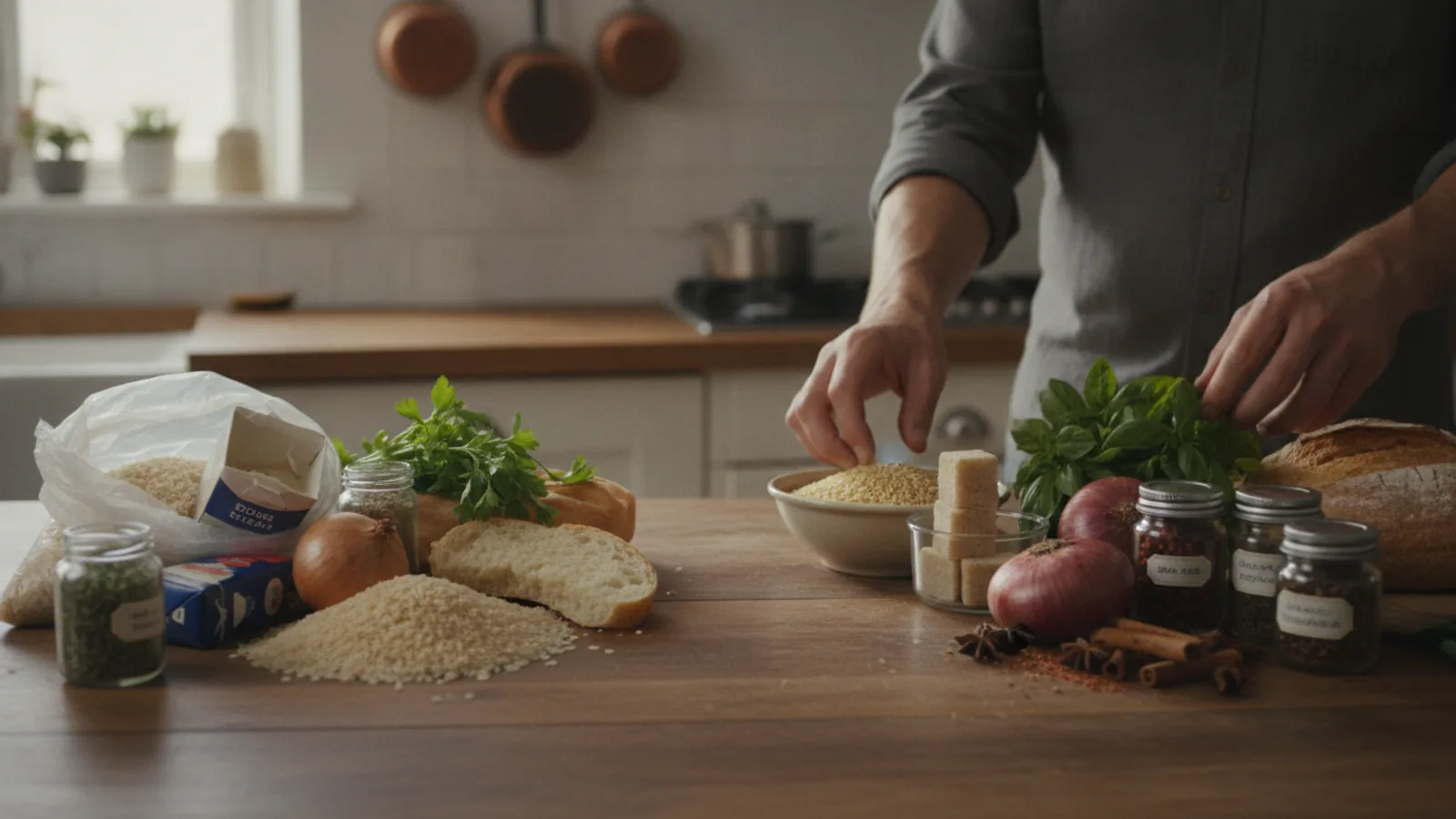
Choosing everyday cooking ingredients with better flavour and less waste starts with a few simple habits. Many home cooks make the same mistakes: buying too much, ignoring how ingredients actually taste, and storing things wrongly. This guide walks you through common pitfalls and shows you how to pick, store, and use ingredients so you get more flavour and throw away less. You will learn to shop with a plan, understand freshness signs, use your senses at the market, and store produce so it lasts longer. Every step gives a clear action, a check to confirm you are on track, and a reason why that check matters. By the end, you will have a practical routine that reduces waste and makes every meal taste better.
Fast Answer
- Buy only what you will use within a week, and plan meals around ingredients that spoil quickly, like leafy greens and fresh herbs. Choose firm, colourful produce and sniff fish and meat for freshness.
- Store fruits and vegetables separately, keep herbs like parsley in water, and freeze leftovers or overripe produce for stocks, smoothies, or sauces. Use your nose and eyes more than the date label.
Before You Start
- Plan two or three meals before you shop, and write a list that groups ingredients by category, such as vegetables, proteins, and pantry staples.
- Check your fridge, pantry, and freezer before buying anything so you do not purchase duplicates or forget items you already have.
- Learn what is in season in your area by visiting a local farmers' market or reading a seasonal produce chart online.
- Set aside 15 minutes after shopping to wash, chop, and portion some ingredients so they are ready to use and last longer.
Step-by-Step Instructions
Assess What You Already Have
Before you even step into a shop, open your fridge, freezer, and cupboards. Take a quick inventory of what you already own, noting any vegetables that are near the end of their life, leftover grains, or half-used sauces. This step prevents you from buying duplicates and forces you to use what you have first. A practical check is to write a short list of 'use up' items and place it on your fridge door. This matters because the biggest source of waste is buying new items while old ones languish at the back of a shelf. By seeing your actual supply, you can design meals around those soon-to-expire ingredients, saving money and reducing spoilage. For example, if you have tomatoes and a tired cucumber, plan a salad or pasta for that night. This habit also sharpens your ability to judge how much you really consume each week, so you eventually stop overbuying and start choosing ingredients with a purpose.
Make a Flexible Meal Plan
Plan two or three main meals for the week, but keep the plan flexible enough to swap ingredients based on what looks fresh and affordable. For each meal, think about the core ingredients: a protein, a carbohydrate, and vegetables. Then list what you need, but also note which items can be substituted. For instance, if a recipe calls for spinach, you could use kale or Swiss chard if you already have them. A practical check is to ask yourself: 'Can I buy these ingredients in the exact quantities I need?' If a recipe needs half a cabbage, see if you have a plan for the other half, like coleslaw or stir-fry. This matters because rigid plans lead to buying specific quantities that may not match what you can use, causing waste. Flexible planning also encourages you to buy ingredients that are in season, which usually taste better and are more affordable. When you write your list, group items by store section, and stick to it, but allow for one or two spontaneous purchases if they are truly useful.
Shop with Your Senses
At the market or store, use your eyes, nose, and hands to pick the best ingredients instead of grabbing the first package you see. Look for vibrant colours, firm textures, and no bruises or blemishes. For produce, smell it—cantaloupe should smell sweet near the stem, and herbs should have a strong, fresh scent. For meat and fish, the flesh should be moist, not sticky, and there should be no strong odour. A practical check is to touch the item: potatoes should feel heavy for their size, and onions should have tight, papery skins. This matters because your senses are more reliable than packaging dates. For example, a tomato with deep red colour and a slight give when pressed will taste better than a pale, rock-hard one. Similarly, fish that smells clean and looks glossy is likely fresher and will have better flavour. Shopping this way takes only a few extra minutes, but it directly improves the quality of every meal and reduces the chances of picking something that will spoil quickly.
Choose Versatile Ingredients First
Prioritise ingredients that can be used in multiple dishes, so you are less likely to have leftovers that go bad. Good choices include onions, garlic, carrots, celery, eggs, rice, beans, and cabbage. These are the backbone of many cuisines and keep well for a week or more. Instead of buying a specific herb for one recipe, pick herbs like parsley or thyme that work in many dishes, or buy a small pot and grow them. A practical check is to ask: 'Can I cook this ingredient in at least three different ways?' For example, a whole chicken can be roasted, simmered for broth, and used in sandwiches or salads. Carrots can be eaten raw, roasted, stirred into soups, or grated into salads. This matters because versatile ingredients reduce the chance of waste by giving you many options to use them up. They also make meal planning easier because you always have a starting point for a quick dish, and they often provide more nutrition per cost.
Store Each Ingredient Properly
Get to know the best storage conditions for the items you buy: some like the fridge, some prefer the counter, and a few need dark, dry places. For example, potatoes, onions, and garlic should be kept in a cool, dark cupboard, not in the fridge, because cold turns their starches to sugar and alters flavour. Herbs like basil keep better in a jar of water on the counter, while parsley and cilantro stay fresher in the fridge with stems in water. A practical check is to look up or remember one key rule per category: root vegetables in a breathable bag, leafy greens in a damp paper towel in a sealed container, and citrus in the fridge or a cool place. This matters because correct storage can double or triple the shelf life of your ingredients, directly cutting waste. When you store produce properly, it also retains more nutrients and flavour, so your cooking tastes better. Spend a few minutes after shopping to sort and store everything correctly.
Use Everything, Including Scraps
Make a habit of using every edible part of an ingredient, and turn scraps into something useful rather than throwing them away. For example, carrot peels, onion skins, and celery ends can be collected in a freezer bag and later simmered into a flavourful stock. Stale bread can become croutons, overripe fruit can become smoothies or compotes, and wilted greens can be cooked into soups or stir-fries, where they soften and still add flavour. A practical check is to have a designated 'stock bag' in your freezer and add vegetable trimmings every time you cook. This matters because using scraps reduces waste dramatically, and many parts you usually discard carry intense flavour that enriches your dishes. For example, the green tops of leeks and carrots are perfectly edible and can be used in pesto or soup. By thinking creatively, you also save money and develop a more resourceful, confident cooking style.
Quick Reference
| Situation | Action | Why it helps |
|---|---|---|
| You find a bag of spinach that is about to wilt in your fridge. | Use it that same day—sauté it with garlic and olive oil, or blend it into a smoothie with banana and yoghurt. | Spinach wilts quickly, but cooking stabilises it and freezes well, so you get nutrition and flavour instead of a soggy mess. |
| You bought a bunch of fresh parsley but only need a few sprigs for your recipe. | Chop the entire bunch and freeze it in a small container or ice-cube tray with a little water or broth. | Herbs lose flavour quickly, but freezing preserves their aroma for up to three months, so you have flavour ready anytime. |
| You have overripe bananas that are too soft to eat raw. | Peel them, freeze the flesh in a zip-lock bag, and use them later for banana bread, pancakes, or smoothies. | Overripe bananas are extra sweet, and freezing halts spoilage, giving you a perfect baking ingredient instead of compost. |
Common Issues
- Buying too much fresh produce and not using it before it spoils.: Plan your meals for the week and write a list of exact amounts. Buy only what you can eat in a few days, and shop more frequently (twice a week) if you cannot cook every day. Also, freeze or cook anything that is about to turn before it goes bad.
- Ignoring the smell and look of ingredients and relying on dates.: Use your nose and eyes as your first check. Fresh fish should smell like the sea, not fishy. Meat should be bright and not sticky. Produce should have a fresh scent and firm texture. If it looks and smells good, it is probably fine even past a date.
- Storing all fruits and vegetables in the fridge, causing some to lose flavour or spoil faster.: Learn which items need room temperature: tomatoes, potatoes, onions, garlic, and bananas do best outside the fridge. Keep others like berries and greens in the fridge in breathable containers. Store fruits and vegetables separately because many fruits release ethylene gas that makes vegetables go bad quicker.
Advanced Tips
- Start a small herb garden on a sunny windowsill; you will always have fresh flavour and never waste a whole store-bought pack.
- Invest in a vacuum sealer for freezer storage; it prevents freezer burn and keeps meat and vegetables tasting fresh for months.
- Learn to ferment or pickle extra vegetables (like carrots or radishes) using simple salt brine—this adds complex flavour and preserves them for weeks.
Final Checklist
- Look at your fridge and pantry for ingredients you already own before making a shopping list.
- Choose two or three versatile ingredients that can be used in at least three different recipes.
- Store produce separately, with ethylene producers away from ethylene-sensitive items.
- Keep a freezer bag for vegetable scraps to make flavourful stock instead of throwing them away.
FAQ
How can I tell if eggs are still good to use?
Put an egg in a bowl of water: if it sinks and lies flat, it is very fresh; if it stands upright on the bottom, it is older but still safe to eat if cooked properly; if it floats, it is spoiled and should be thrown away. Also, crack it into a bowl and check for a bad smell or unusual colour.
What is the best way to store mushrooms so they don't get slimy?
Keep mushrooms dry. Store them in a paper bag or a container with a paper towel to absorb moisture, and leave them in the fridge, not in a plastic bag. Do not wash them until just before using. This way they can last up to a week without getting slimy.
Can I eat the leaves of vegetables like carrots or beets?
Yes, carrot greens are edible and taste like a slightly bitter carrot herb; use them in pesto or sprinkle on salads. Beet greens are also edible and taste similar to Swiss chard. Just wash them thoroughly and cook or use them raw in small amounts, as they can be a bit coarse.