How To Compare Options For A Simple Traybake That Works For Weekday Baking
A practical step-by-step guide to how to compare options for a simple traybake that works for weekday baking, including preparation, instructions, common issues, tips, and next steps.
How To Compare Options For A Simple Traybake That Works For Weekday Baking
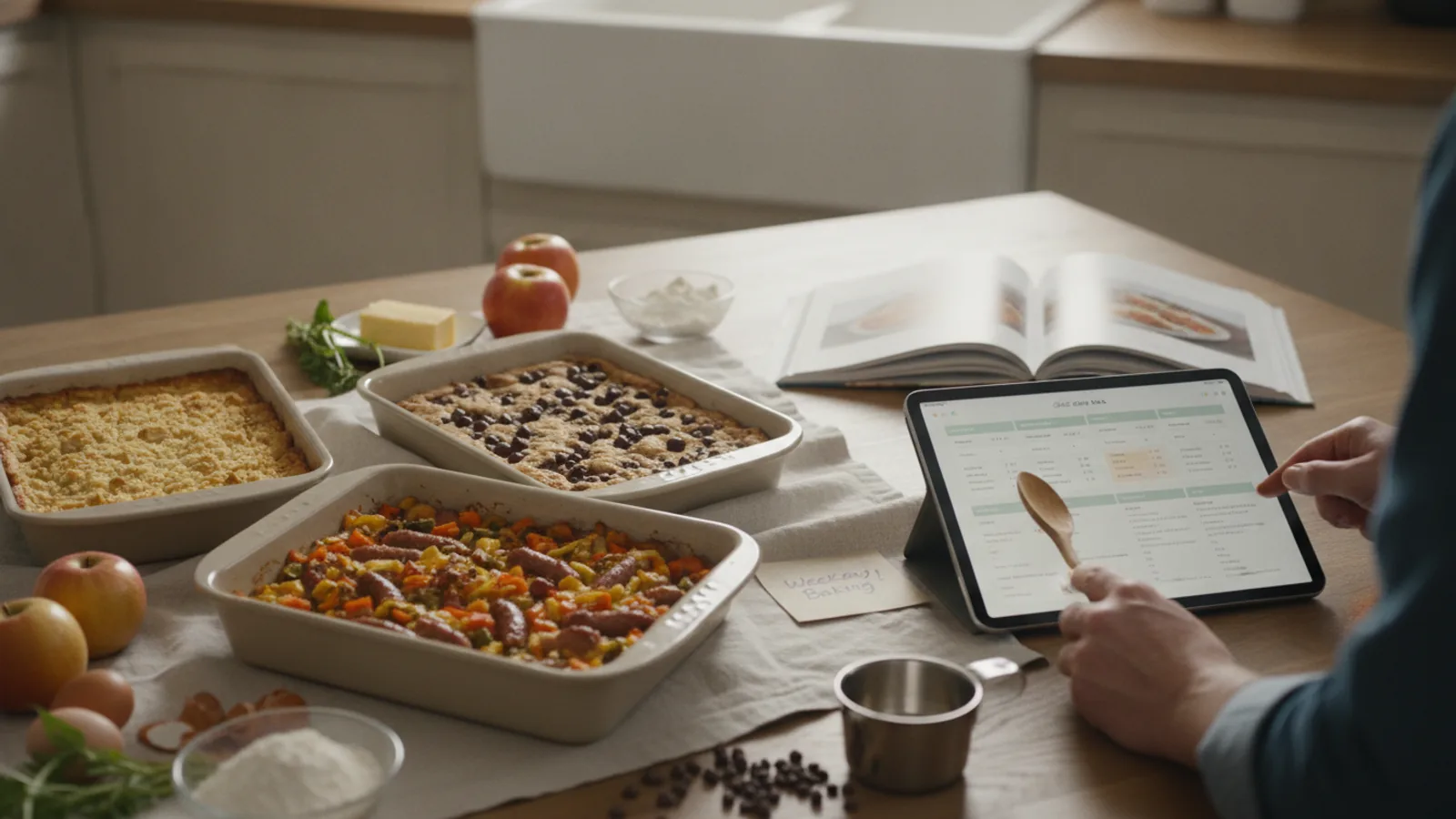
Comparing options for a simple traybake that works for weekday baking means weighing time, ingredients, and cleanup against the flavor you want. A traybake is a one-pan meal where everything cooks together, making it ideal for busy evenings. To choose the best option, start by deciding whether you need a quick protein, a hearty vegetable base, or a mix of both. Then consider how long each component takes to cook and whether you can prep ahead. The goal is to create a balanced, satisfying dish with minimal fuss and maximum taste. This guide walks you through the key comparisons: cooking time, ingredient flexibility, and cleanup effort, so you can confidently pick a traybake that fits your weekday routine.
Fast Answer
- For a quick weekday traybake, choose ingredients that cook at the same rate, like chicken thighs and root vegetables, to avoid undercooked or overcooked pieces.
- If you want minimal cleanup, line your tray with parchment paper and use a simple marinade or oil, then cook everything at a high heat for a crispy finish.
Before You Start
- Preheat your oven to 200°C (400°F) and position a rack in the middle to ensure even heat circulation for the traybake.
- Choose a large, rimmed baking sheet that allows space between ingredients so they roast rather than steam.
- Cut vegetables into uniform pieces, about 2-3 cm, to promote even cooking and consistent texture.
- Pat proteins dry with paper towels before seasoning to help browning and prevent excess moisture.
Step-by-Step Instructions
Assess Your Time and Pick a Protein
Start by looking at your evening schedule. If you have under 30 minutes for active prep, choose a protein that cooks quickly like fish fillets or small chicken pieces. If you have a bit more time, consider chicken thighs, sausages, or firm tofu that can roast longer without drying out. Remember that denser proteins like chicken breasts may cook faster than dark meat, so choose ones that will finish at the same time as your vegetables. A practical check is to think about what you already have: using ingredients on hand saves a shopping trip. The reason this check matters is that the protein is the centerpiece of your meal, and picking one that matches your available time prevents overcooked or underdone results, which could ruin your dinner.
Choose Vegetables That Roast Well Together
Select vegetables that have similar cooking times, such as carrots, potatoes, onions, and bell peppers. Softer vegetables like zucchini or cherry tomatoes cook faster, so add them halfway through the roasting time. Cut harder vegetables into smaller pieces to encourage even cooking, and aim for a single layer on the tray. A practical check is to visualize the tray: you want each piece to have some space around it, not piled high, so they brown properly. This matters because if you overcrowd the tray, the vegetables will steam in their own moisture, turning soft and pale instead of caramelized and sweet. By matching cooking times, you ensure everything is ready at the same moment.
Balance Flavors with a Simple Seasoning
Season your traybake with a simple mix of salt, pepper, and dried herbs like thyme or rosemary. You can also add a squeeze of lemon juice or a splash of balsamic vinegar before serving to brighten the flavors. To ensure even distribution, toss the ingredients with seasoning in a bowl before arranging them on the tray. As a practical check, taste a small piece of a vegetable after roasting to adjust seasoning before adding the final touches. This matters because even the best ingredients taste bland without proper seasoning, and you want a harmonious dish where every bite is flavorful. Avoid over-salting early, as reducing the sauce later can concentrate salt.
Arrange Everything in a Single Layer
Spread the seasoned ingredients evenly across the tray, ensuring they are in a single layer with minimal overlap. If you are cooking multiple types, place the ones that need more time near the edges where the heat is higher. Leave space between pieces so hot air can circulate and promote browning. A practical check is to look at the tray from a side angle: you should see the metal bottom between most pieces. This is important because proper air circulation helps achieve a crispy exterior on vegetables and proteins, while overlapping pieces trap steam and lead to a soggy texture. Arranging carefully also ensures that all components cook at the same rate, so you don't have to rescue any burnt or undercooked bites.
Roast at the Right Temperature and Time
Place the tray in the preheated oven and set a timer according to your ingredients. As a general rule, roast at 200°C (400°F) for 25-35 minutes, but always check for doneness. Halfway through, carefully remove the tray and use a spatula to turn the ingredients for even cooking. A practical check is to insert a fork into the thickest piece of vegetable to see if it's tender, and for meat, use a thermometer to verify it's safe to eat. This matters because oven temperatures can vary, and relying solely on the clock may result in undercooked food or overcooked edges. Taking a moment to check ensures your meal is cooked to perfection.
Rest, Garnish, and Serve Straight from the Pan
Once everything is cooked, remove the tray from the oven and let it rest for 5 minutes. This allows juices to redistribute, especially if you used meat. Sprinkle with fresh herbs like parsley or chives, and add a final drizzle of good olive oil if desired. Serve the traybake directly from the pan, which adds to the casual weekday appeal and reduces dishes. A practical check is to taste a piece to see if it needs extra salt or acid. This step matters because resting improves flavor and texture, and garnishing adds freshness that balances the roasted taste. Serving straight from the pan makes cleanup easier, fitting the weekday requirement.
Quick Reference
| Situation | Action | Why it helps |
|---|---|---|
| You are short on time and need dinner fast | Choose quick-cooking proteins like fish or chicken strips, and cut vegetables into thin, small pieces to speed up roasting. | Thinner cuts cook faster, so you can have a homemade meal on the table without spending ages in the kitchen. |
| You have only root vegetables and no fresh herbs | Use dried herbs like oregano or thyme, and add a splash of balsamic vinegar or lemon juice at the end for freshness. | Dried spices are shelf-stable and add flavor without fresh ingredients, while acid brightens the dish to mimic herb-like freshness. |
| You want to use up leftover cooked meat from another meal | Add the cooked meat only during the last 10 minutes of roasting, just to warm it through, and keep it separate from raw ingredients. | This prevents the meat from overcooking or drying out, while still allowing it to absorb some roasting flavor. |
Common Issues
- Vegetables are soggy and not caramelized: Ensure the tray isn't overcrowded, use less oil, and roast at a higher temperature for the last few minutes. Also, pat vegetables dry before seasoning to remove moisture.
- Chicken is dry while vegetables are still firm: Cut chicken into smaller, even pieces and arrange them so they don't overlap. If possible, add chicken to the tray 10 minutes after the vegetables start roasting, so everything finishes together.
- The tray is too full and everything steams: Use two separate trays if needed, or roast in batches. If you must use one tray, leave more space between pieces and increase the oven temperature by 10-15°C to encourage browning.
Advanced Tips
- Par-cook dense vegetables like potatoes in the microwave for 5 minutes before adding them to the tray to ensure they are tender and caramelized.
- For an extra layer of flavor, deglaze the tray with a little broth or wine after cooking, scraping up the browned bits to make a quick sauce.
- Prep a marinade or dry rub the night before so flavors meld and proteins stay moist even during busy evenings.
Final Checklist
- Choose a protein and vegetables that cook at the same rate, or cut them to match.
- Preheat the oven and prepare your tray with parchment or a light oil coating.
- Season and arrange ingredients in a single layer with space between pieces.
- Check for doneness with a fork and thermometer, then rest and garnish before serving.
FAQ
Can I use frozen vegetables in a traybake?
Yes, but they will release more moisture, so add them later in the cooking process or increase the roasting time. Pat them dry if possible to encourage browning. You may need to adjust the seasoning because frozen vegetables can be slightly more watery.
What if I don't have a rimmed baking sheet?
Use a large oven-safe skillet or a shallow roasting pan. The key is to have a flat, even surface that can hold all ingredients in one layer. If you must use a deeper dish, expect longer cooking times and less crispiness.
How can I make a vegetarian traybake?
Replace meat with firm tofu, tempeh, or extra vegetables like mushrooms and eggplant. Add a source of protein like chickpeas or lentils to keep you full. Ensure you season generously and consider adding nuts or seeds for texture.