How To Compare Options For Choosing Everyday Cooking Ingredients For Better Flavour And Less Waste
A practical step-by-step guide to how to compare options for choosing everyday cooking ingredients for better flavour and less waste, including preparation, instructions, common issues, tips, and next steps.
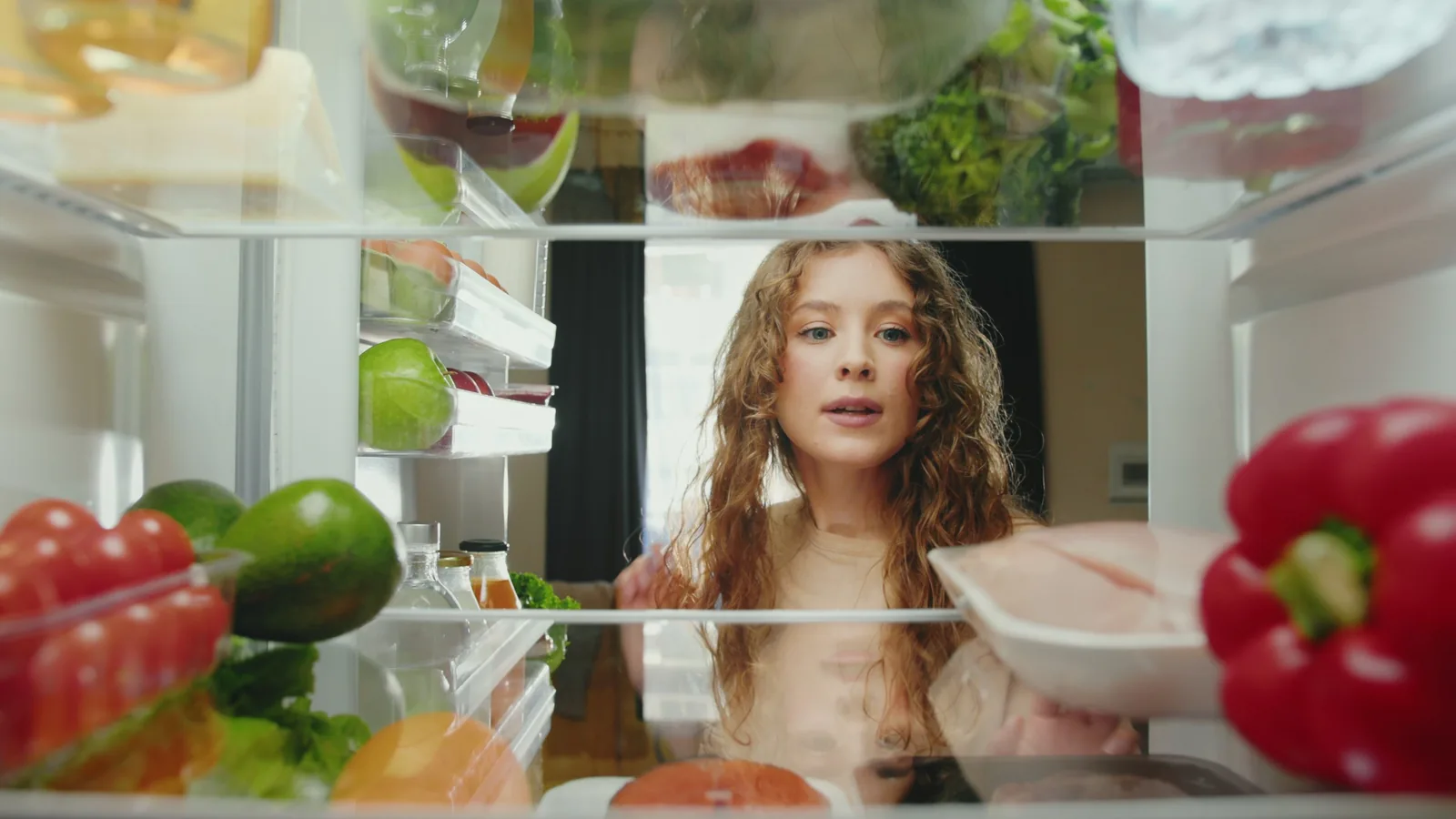
How To Compare Options For Choosing Everyday Cooking Ingredients For Better Flavour And Less Waste
This guide teaches you how to compare everyday cooking ingredients by focusing on flavour, waste, and value. You will learn a simple four-step process: define your needs, research options, evaluate quality, and test at home. The guide includes practical preparation tips, a quick-reference table for common situations, troubleshooting advice, advanced techniques, and a final checklist. By the end, you will be able to choose ingredients that taste better, last longer, and reduce waste, saving money and effort without sacrificing quality.
Fast Answer
- Start by listing the dishes you cook most often, then compare the core ingredients across three key factors: freshness, versatility, and storage life. Choose the option that balances these for your household.
- Use a blind taste test at home with a small batch of each candidate ingredient. Cook them in the same dish and compare flavour, texture, and how they hold up over a few days.
Before You Start
- Clean out your pantry and fridge: remove expired or stale items, and take note of what you already have. This prevents buying duplicates and gives you a clear space for comparison.
- List your top ten recipes and underline the ingredients you buy most often. Identify which ones spoil quickly, like fresh herbs or leafy greens, versus those that last, like onions or potatoes.
- Research the season and origin of your candidate ingredients. Local, in-season produce often has better flavour and a longer shelf life because it is harvested at peak ripeness.
- Set up a simple scoring sheet with columns for flavour, texture, shelf life, and cost-per-serving. Use a scale of 1 to 5 to rate each option during your tests.
Step-by-Step Instructions
Identify your cooking habits and ingredient needs
Begin by writing down the meals you prepare in a typical week. Include breakfast, lunch, dinner, and snacks. Under each meal, list the main ingredients you use, especially those that are perishable like dairy, meat, produce, and fresh herbs. Next, rate how often you buy each item: daily, twice a week, weekly, or rarely. This tells you which ingredients matter most for your flavour and waste goals. Also note how many people you cook for, because a single person or a large family will have different needs. For example, a single person might buy a small bunch of parsley, while a family might need a whole head. Finally, think about your cooking style: do you like to experiment or stick to simple dishes? This helps you decide if you need versatile ingredients or ones that shine in specific recipes. This step gives you a clear list of what to compare, so you do not waste time evaluating items you rarely use.
Compare freshness and storage life for each candidate
When you go to the market or shop, pick up each candidate ingredient and examine it closely. For produce, look for firmness, vibrant color, and no soft spots or blemishes. For packaged items like dairy or meat, check the use-by date and the condition of the packaging. Smell fresh herbs and fruit to see if the aroma is strong and pleasant. Also consider how long the ingredient will keep at home. For example, root vegetables like carrots and potatoes last for weeks in a cool place, while delicate berries spoil in a few days. Think about your typical shopping frequency: if you only shop once a week, choose ingredients that can survive that long without going bad. If you shop daily, you can afford to buy more perishable items. Write down the expected shelf life for each option from your own notes or package labels, and mark which ones you might freeze or preserve. This comparison helps you avoid buying things that rot before you use them, directly reducing waste.
Evaluate flavour and texture with a home taste test
Pick two or three comparable ingredients, such as two brands of canned tomatoes or two types of apples. Buy a small amount of each. On the same day, cook a simple dish that highlights the ingredient, like tomato sauce or an apple crisp. Use the exact same recipe and cooking method for each sample, and keep the other variables constant. Taste each batch blind if possible, meaning you do not know which is which. Score them on flavour intensity, sweetness, acidity, bitterness, and texture. Also note how they cook: do they hold their shape or turn mushy? Does the flavour change after cooking? After the initial taste, store leftovers in the fridge and taste again the next day to see how they hold up. This test gives you real data about what you enjoy and what works in your kitchen, rather than relying on marketing claims. The result is a shortlist of ingredients that please your palate and reduce waste because you will actually eat them.
Consider cost per serving and edible yield
Calculate the cost per serving rather than just the price per package. To do this, divide the price by the number of servings you actually get. For example, a large bag of spinach at a lower price might seem like a deal, but if half of it wilts before you use it, the cost per serving is higher than a smaller, fresher bunch. Also estimate the edible yield: how much of the ingredient is usable after peeling, trimming, or deboning. For instance, a whole chicken yields less meat per kilogram than chicken breast, but the carcass can make stock, so you get more value. Write down the price and the estimated usable amount for each option. Then, think about whether you can use the scraps or leftovers in another meal. This step helps you choose ingredients that are both economical and low-waste, because you pay for what you actually eat, not what you throw away.
Check for versatility and ability to repurpose extras
Look at each ingredient and ask how many different ways you can use it. A versatile option like eggs can be scrambled, baked, or used as a binder, while a specialty cheese might only suit one dish. For produce, consider whether you can use the leftovers in soups, salads, or smoothies. For meats, think about how you can use bones and trimmings for stock or soups. Also, consider freezing: can you freeze the ingredient successfully? For example, fresh herbs like basil can be blended with oil and frozen in ice cube trays, while lettuce cannot be frozen well. Choose ingredients that give you more options, because they are less likely to go to waste if you change your meal plans. This comparison helps you build a flexible pantry and fridge, so you can adapt to what you have and avoid last-minute purchases.
Decide and refine your shopping list with your notes
Gather all your notes from the previous steps: the freshness scores, taste test results, cost per serving, yield, and versatility ratings. Rank your candidate ingredients by how well they meet your needs. Choose the top option for each key ingredient. Then, write a specific shopping list that includes the exact type, size, and quantity you will buy. For example, instead of 'spinach', write 'a 200g bag of baby spinach, to be used in salads and smoothies within four days'. Also note the storage method you will use, such as 'store with a paper towel in a sealed container'. If you are not fully satisfied with any option, you can repeat the test with other brands or varieties. This step turns your comparison into a concrete plan, so you shop with purpose and reduce impulse buys. Over time, you will refine your choices based on what works best for your taste and lifestyle.
Quick Reference
| Situation | Action | Why it helps |
|---|---|---|
| You are at a farmers market and cannot decide between two heirloom tomatoes. | Pick them up, smell the stem end, and gently squeeze. Choose the one that feels heavy for its size and has a sweet, earthy aroma, even if it has blemishes. | Heavy weight and a strong scent indicate ripeness and flavorful juice, while small blemishes often mean insect damage but not spoilage, so you get more taste for less waste. |
| You have a recipe that calls for fresh basil, but you only need a few leaves. | Buy a small potted basil plant instead of a bunch. Snip off leaves as needed, and keep it on a sunny windowsill. | A living plant provides continuous leaves for weeks, reducing waste and saving you from buying a bunch that would otherwise wilt in the fridge. |
| You are comparing two bags of carrots: one is pre-peeled and baby-cut, the other is whole with tops. | Choose the whole carrots with tops if you plan to use them within a week. Remove the tops at home and store the carrots in a perforated bag. | Whole carrots stay crisp longer because the tops pull moisture from the roots. You also get the tops for pesto or stock, adding flavour and reducing waste. |
Common Issues
- You buy fresh ingredients but they spoil before you use them.: Plan meals for the week and buy only what you will cook. Use a 'first-in, first-out' system: place newer items behind older ones and use the older ones first. Also, learn proper storage for each type of ingredient, such as keeping leafy greens dry and separating ethylene-producing fruits like bananas from other produce.
- You find it hard to compare ingredients when they are packaged differently, like bulk vs pre-packaged.: Weigh and compare the unit price, but also calculate the cost per serving by estimating how much you will use. For example, a bag of loose apples may look cheaper per kilogram, but if half are bruised and inedible, the cost per apple is higher. Inspect each piece in bulk bins and only take what you can use.
- You are torn between two options and cannot decide which is better for flavour.: Perform a blind taste test with a small amount of each. Cook them in the same dish, and have someone else switch the labels. Score them on sweetness, acidity, and texture. If one clearly wins, go with that. If it is a tie, choose the one with a longer shelf life or more versatile use.
Advanced Tips
- Learn to use the entire ingredient: stems of herbs can flavor stocks, peels of root vegetables can be roasted into crisps, and overripe fruit can become compote or smoothies.
- Invest in reusable produce bags and airtight containers to keep ingredients fresh longer. For leafy greens, add a paper towel to absorb moisture and change it when wet.
- Master the art of pickling or fermenting small excesses: this preserves flavour and adds tang to your dishes, turning surplus vegetables into delightful condiments.
Final Checklist
- I have identified my top ten recipes and the key ingredients I buy most often.
- I have compared at least three options for each key ingredient using freshness, storage life, and cost per serving.
- I have conducted a blind taste test for at least one ingredient and recorded the results.
- I have updated my shopping list to include specific, versatile items and proper storage plans.
FAQ
How do I know if fresh ingredients are really fresh when I buy them?
Use your senses: look for vibrant color and firm texture, smell for a pleasant aroma, and check for any wilting, bruises, or dampness. For packaged items, verify the use-by date and ensure the packaging is intact. Also, choose items that are not near the edge of the display, as they might be older. When in doubt, ask the store or market seller when the item was delivered.
Why is cost per serving better than cost per package?
Cost per serving gives a true comparison because it accounts for waste and actual consumption. A large package may seem cheaper, but if you cannot use it all before it spoils, you end up paying for food you throw away. By calculating how many servings you get from a package, you see which option is more economical for your household.
What is the best way to store fresh herbs to make them last longer?
The method depends on the herb. Hardy herbs like rosemary and thyme can be wrapped in a damp cloth and stored in the fridge. Delicate herbs like basil prefer a jar of fresh water at room temperature, away from direct sunlight. For other tender herbs like parsley and cilantro, trim the stems, place them in a glass of water, and cover the leaves loosely with a plastic bag in the fridge. Change the water every two days.