How To Make A Flexible Pasta Night
A practical step-by-step guide to how to make a flexible pasta night, including preparation, instructions, common issues, tips, and next steps.
How To Make A Flexible Pasta Night
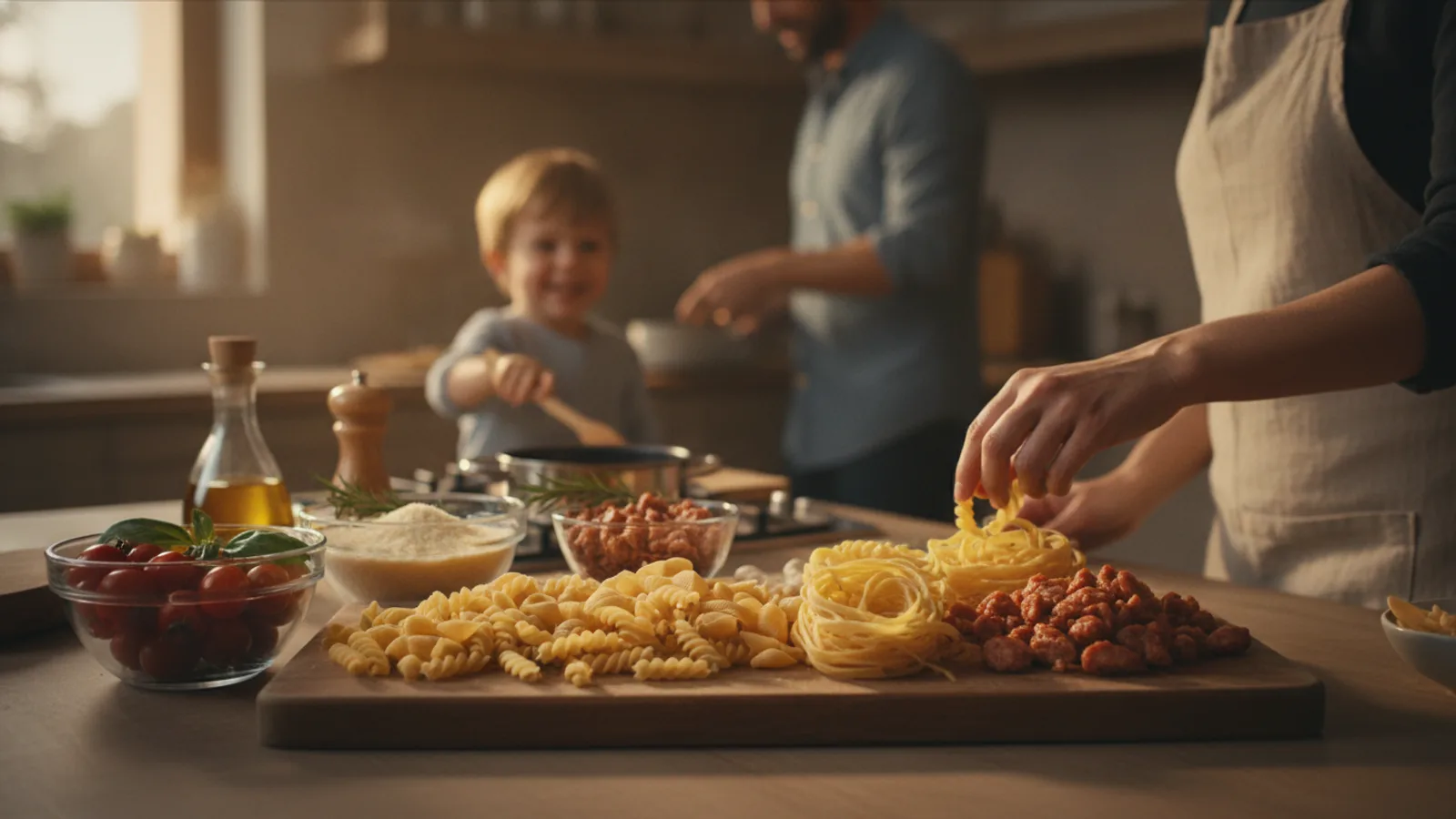
A flexible pasta night is a simple yet powerful approach to cooking that lets you adapt one basic formula to whatever ingredients you already have, saving time, reducing food waste, and keeping your family happy even on busy evenings. Instead of following a rigid recipe, you build a meal around pasta, a fat, an aromatic, a liquid, and a finish. This guide teaches you how to choose the right pasta shape, build a flavor base, and combine sauces and toppings that work together, with practical tips for adjusting proportions, handling dietary needs, and keeping leftovers tasty. You'll gain the confidence to improvise with confidence, turning a box of noodles into a satisfying dinner that feels fresh every time.
Fast Answer
- Boil a large pot of salted water, cook the pasta until just shy of al dente, then use a mug to reserve about a cup of starchy pasta water before draining; this water is the secret to silky, clinging sauces.
- In a wide pan, soften garlic or onion in olive oil or butter, add any vegetables or proteins you have, toss in the cooked pasta with a splash of pasta water, and finish with grated cheese, a squeeze of lemon, or fresh herbs.
Before You Start
- Check your pantry for pasta shapes, olive oil or butter, garlic or onion, a can of tomatoes or a wedge of cheese, and any vegetables, proteins, or herbs that need using up.
- Fill a large pot with water and bring it to a rolling boil; season it generously with salt so the pasta itself becomes flavorful, not just the sauce.
- Set out a colander and a large mug or measuring cup so you can quickly reserve pasta water when you drain; this water is the key to a smooth, emulsified sauce.
- Chop any vegetables, mince garlic, grate cheese, and have your seasonings and fresh herbs within reach before you start cooking.
Step-by-Step Instructions
Bring a large pot of salted water to a boil
Fill a large pot with about 4 to 5 quarts of water for every pound of pasta and place it over high heat. While the water heats, add a generous amount of salt—about 1 to 2 tablespoons—once the water is boiling; this seasons the pasta from the inside so the noodles taste savory on their own. Use a pot that gives the pasta plenty of room to move, which prevents sticking. Wait for a full rolling boil, then add the pasta and stir immediately. Check the package for timing, but plan to cook until the pasta is just shy of al dente, about 1 minute less than the shortest time listed. This is because you'll finish cooking the pasta in the sauce, where it soaks up flavor. Set a timer so you don't overcook. While it boils, prep your other ingredients.
Reserve a mug of pasta water before draining
Just before the pasta reaches al dente, use a heatproof mug to scoop out about 1 to 2 cups of the cloudy, starchy boiling water and set it aside; this water contains dissolved starch that acts as a natural thickener and helps your sauce cling to the noodles. Then drain the pasta in a colander, but do not rinse it under cold water; you want to keep the surface starch intact. If you rinse, you wash away the sticky starch that helps the sauce adhere. The reserved water is also a perfect liquid to loosen a sauce that's too thick. If you forget to reserve it, you can use plain water, but the sauce will be less silky. Putting the mug aside, you ensure it's ready when you need it in a later step.
Sauté aromatics and build a quick sauce base
Return the empty pot or a wide skillet to medium heat and add 2 to 3 tablespoons of olive oil or a knob of butter. When the fat shimmers, add minced garlic, sliced shallot, or chopped onion, and cook until fragrant, about 1 to 2 minutes, stirring constantly so they don't burn. This step creates a flavorful foundation for the sauce. Add any other vegetables you want, like mushrooms, zucchini, or frozen peas, and cook until slightly softened. For a quick tomato sauce, pour in a can of crushed tomatoes or passata, season with salt and pepper, and let it gently bubble for a few minutes. If you prefer a creamy sauce, stir in a splash of heavy cream or a few dollops of ricotta. You want the sauce to be slightly thinner than you'd like, because the pasta water will loosen it.
Add the pasta to the sauce with reserved pasta water
Toss the drained pasta directly into the sauce, turn the heat to low, and add a ladleful of reserved pasta water. Use tongs or a wooden spoon to toss and stir, coating every strand or shape. As you toss, the sauce will emulsify with the starchy water, creating a silky coating instead of a watery puddle. Cook for 1 to 2 minutes, allowing the pasta to absorb some of the sauce and finish cooking to perfect al dente. If the sauce seems too thick, add more pasta water, a tablespoon at a time. You want a loose, shiny glaze that clings, not a soupy mixture. This technique ensures every bite is flavorful. Taste and adjust seasoning with salt, pepper, and perhaps a squeeze of lemon.
Finish with cheese and fresh toppings
Turn off the heat and sprinkle in a generous handful of grated cheese—Parmesan, pecorino, or a hard cheese you like—and toss vigorously to melt and incorporate. The cheese will cling to the sauce, adding richness and binding everything together. Then add flavor and color with fresh herbs like chopped parsley, basil, or chives, or a final drizzle of extra-virgin olive oil. For a bright note, squeeze half a lemon over the top. If you included protein, like cooked chicken, shrimp, or sausage, make sure it's warmed through at this point, adding it a minute earlier. Taste once more, adjust seasoning with salt and pepper, and serve immediately in warmed bowls. The finishing touches elevate a simple meal into something special.
Serve with a light touch and store leftovers properly
Spoon the pasta into shallow bowls, making sure to get some of the sauce and toppings with each serving. You can top with extra cheese and a sprig of fresh herbs, but keep it simple so the flavors shine. If you have leftovers, let the pasta cool completely before refrigerating in an airtight container; it will keep for up to 3 days. When reheating, add a splash of water or broth and warm gently on the stove or microwave until hot, stirring occasionally. Pasta continues to absorb liquid as it sits, so adding moisture helps revive the texture. Avoid reheating more than once. If you want to prepare ahead, you can cook and sauce the pasta, then refrigerate and reheat gently. The meal is flexible, so use what you have.
Quick Reference
| Situation | Action | Why it helps |
|---|---|---|
| Sauce is too thick and gluey | Add warm pasta water or plain water one splash at a time and stir vigorously over low heat until the sauce loosens and becomes silky again. | The extra liquid dissolves the clumpy starch and restores the emulsion, making the sauce smooth and easy to coat the pasta. |
| Sauce tastes bland or flat | Taste it, then add a pinch of salt, a grind of pepper, a squeeze of lemon, or a few drops of vinegar or hot sauce, and stir well. | These bright and savory seasonings wake up all the other flavors, adding depth and balance without hiding the ingredients. |
| You have leftover vegetables and no fresh protein | Slice or dice the vegetables small, sauté them in the oil before you add garlic, and treat them as the main body of the sauce, adding beans or tofu for protein. | This turns the vegetables into a hearty, satisfying meal, reducing waste and making the pasta substantial enough for dinner. |
Common Issues
- Pasta sticks together in a clump after cooking: Stir the pasta immediately after adding it to the boiling water, and stir again after 1 minute. Also, be sure to use a large pot with plenty of salted water and don't let the pasta sit in the pot after draining—add it to the sauce right away.
- Sauce separated or looked watery on the plate: Do not rinse the cooked pasta, as the surface starch helps the sauce cling. When adding pasta water, use it sparingly and toss well over low heat until the sauce emulsifies. If it's still watery, add a small knob of butter or a spoonful of grated cheese and toss off the heat to thicken.
- Garlic burned and made the sauce bitter: Always cook garlic over medium heat and only for a minute until fragrant, not brown. If you burned it, discard the garlic and start again, or balance the bitterness by adding a little sugar, honey, or a squeeze of lemon and some fresh herbs.
Advanced Tips
- Master the dry pasta shape: Long, thin strands pair well with light, oil-based sauces, while tube or ridged shapes hold onto chunky, thick sauces, and tiny shapes are great for brothy or baked preparations.
- Create a sauce from pan drippings: After searing chicken or sausage, deglaze the pan with a splash of broth or wine and use that liquid as part of your sauce for an instant flavor boost.
- Use the 'twist test' to judge doneness: At the point you think the pasta is ready, fish out a piece, press it between your thumb and forefinger, and look for a tiny white dot in the center—it should be almost cooked but still firm.
Final Checklist
- Did you salt the pasta water and reserve a mug of starchy pasta water before draining?
- Did you cook your aromatics without browning them too dark, and did you taste and adjust the sauce seasoning?
- Did you use the reserved pasta water to loosen and emulsify the sauce, and did you toss the pasta well to coat it evenly?
- Did you add a generous final touch of cheese or herbs, and did you consider any dietary preferences of your diners?
FAQ
How much pasta water should I add to my sauce?
Start with about 1/3 to 1/2 cup for a pound of pasta. Add it gradually, tossing, and only add more if the sauce looks thick or the pasta seems dry. The goal is a silky, clinging sauce, not a soup. Use just enough to create a smooth coating, and remember you can always add more if needed.
Can I use gluten-free pasta or vegetable noodles?
Yes, you can, but they behave differently. Gluten-free pasta often needs less cooking time and can become gummy if overcooked, so check the package and test early. Vegetable noodles like zucchini or squash are best added raw or lightly sautéed and cooked for a short time to keep them crisp. Adjust the timing and liquid accordingly.
What if I don't have Parmesan or any hard cheese?
You can still make a delicious pasta. Use any other cheese you have that melts well, like mozzarella, provolone, feta, or a soft goat cheese, which will add creaminess. If you have no cheese at all, you can thicken the sauce with a little cream, butter, or a spoonful of tomato paste, or finish with a drizzle of good olive oil and some toasted breadcrumbs for texture.