How To Make A Weeknight Dinner Plan
A practical step-by-step guide to how to make a weeknight dinner plan, including preparation, instructions, common issues, tips, and next steps.
How To Make A Weeknight Dinner Plan
This guide provides a practical, step-by-step method for creating a weeknight dinner plan that saves time, reduces stress, and helps you eat balanced meals even on busy evenings. You'll learn how to assess your schedule, choose simple recipes, organize your shopping, and prep ingredients in advance so that cooking on a weeknight feels easy and enjoyable.
Fast Answer
- Dedicate 30 minutes each Sunday to plan your weeknight meals, checking your calendar for busy days and selecting recipes that fit your time and energy levels.
- Batch-prep ingredients like washed greens, cooked grains, and chopped veggies on the weekend, so you can assemble dinners quickly without extra hassle.
Before You Start
- Before planning, list your evening commitments for the week, including work, school, sports, and social events, so you can match recipe complexity to your available time.
- Take stock of your pantry staples like oils, spices, and canned goods, and note any perishables that need using up to reduce waste and inspire your menu.
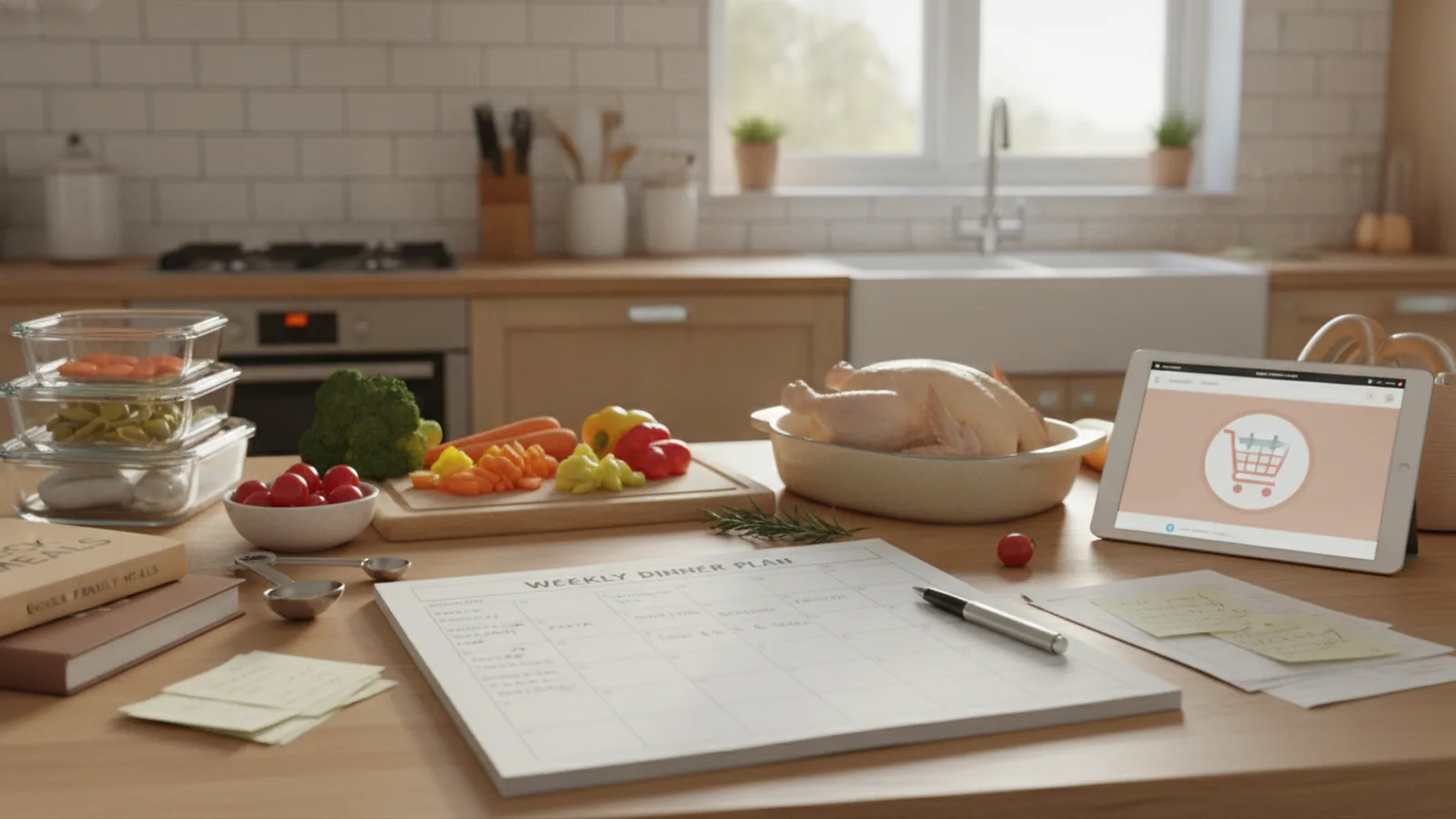
- Create a simple grid or use a notebook to list seven dinner slots, leaving one flexible night for leftovers or eating out, so you don’t overplan.
- Set a recurring planning session, like Sunday after breakfast, to build your menu, write your grocery list, and make any necessary prep decisions before the week starts.
Step-by-Step Instructions
Assess Your Week Ahead
Start by pulling up your calendar for the upcoming week and noting every evening commitment, from late work meetings to kids' soccer games and social outings. For each night, estimate how much time you'll realistically have to cook, not just the ideal time. If you know you'll be exhausted on Wednesday, don't plan a from-scratch lasagna for that evening. Instead, mark it as a 'quick recipe' night or a 'leftovers' night. This step matters because your plan needs to fit your actual life, not a fantasy version of it. Without this check, you'll find yourself abandoning your plan midweek, which can lead to takeout or skipped dinners. Write down your evenings and a time estimate next to each, then use that as the foundation for all your other meal choices.
Choose Your Recipes Wisely
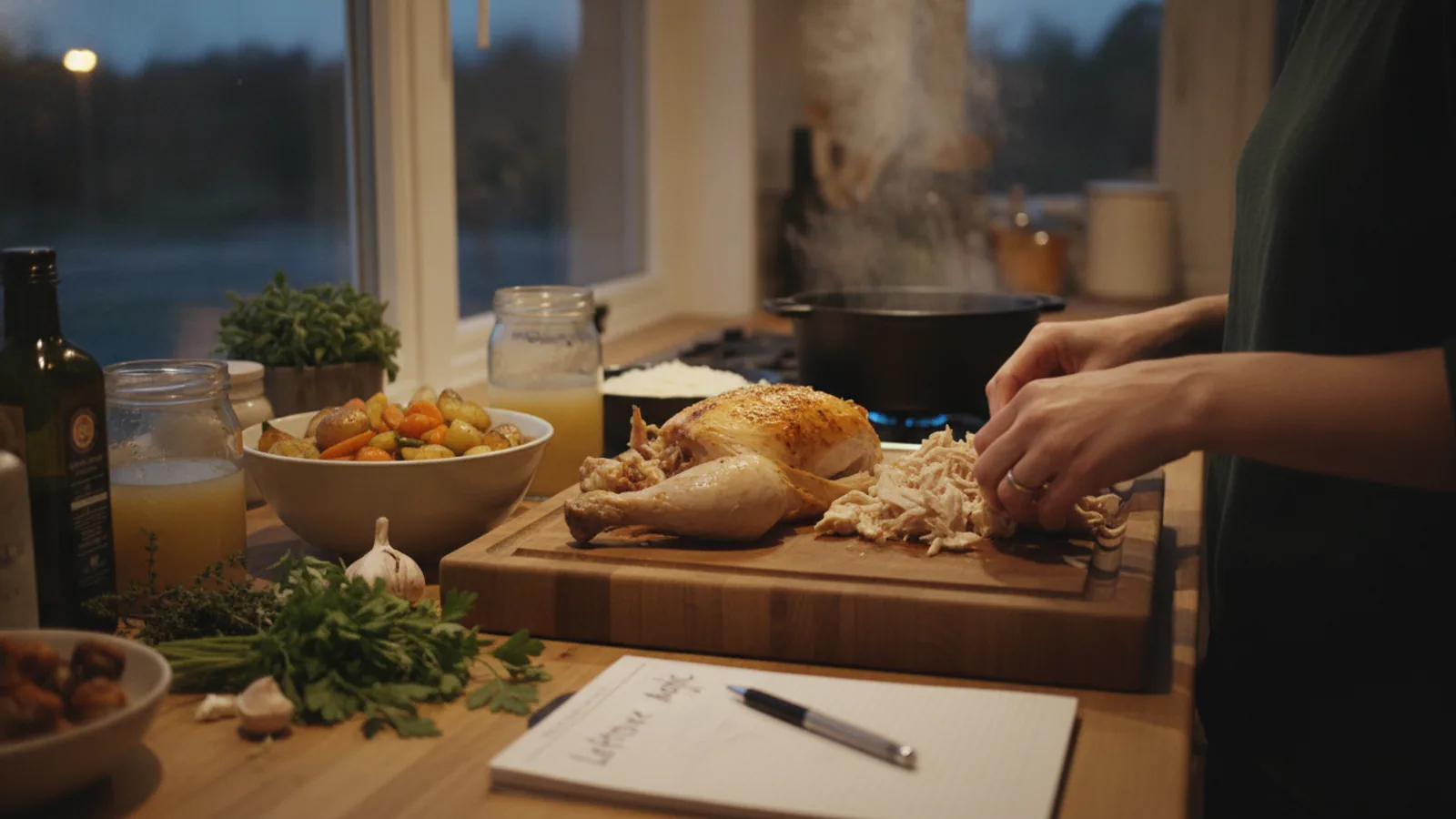
Now that you have your evening availability mapped out, it's time to pick recipes that match each night's time and energy level. Aim for a mix of recipes that reuse ingredients, like a roast chicken that can become tacos and then a soup later in the week. For each dinner slot, select a recipe that has a total prep and cook time that fits your available window, including a buffer for unexpected delays. Choose at least two 'no-brainer' meals that require minimal thinking, such as stir-fries, pasta, or grain bowls, where you can vary the leftovers or proteins. Write the recipe names in your plan and mentally walk through the steps to spot any snags, like needing to marinate overnight or roast two pans simultaneously. This check ensures your menu is realistic, exciting, and doable, and it prevents the common pitfall of planning overly intricate dishes that you'll abandon come Tuesday.
Make Your Shopping List
With your recipes selected, it's time to create a thorough shopping list. Go through each recipe and list every ingredient you'll need, but first check your pantry and fridge to see what you already have. This step is critical because buying duplicate items wastes money and clutter, and you might already have a partially used jar of something. Organize your list by store layout or category, like produce, dairy, proteins, and pantry, to make your trip efficient. As you write, note quantities needed for each recipe, and if any ingredient appears in multiple meals, sum up the total. For example, if you need half a cup of cheese for one meal and a cup for another, list one and a half cups. This prevents mid-week trips for missing ingredients, which often derail plans. After writing, quickly verify each recipe's ingredient list against your list to ensure nothing is forgotten.
Go Shopping and Stock Up
Take your list to the store and stick to it, but allow a little flexibility for sales or fresh seasonal finds that could improve a meal. As you shop, consider buying a few extra staples like onions, carrots, and canned tomatoes, as these are versatile bases for many easy dinners. After you return, spend ten minutes putting groceries away in a way that supports your plan: place the ingredients for tonight's dinner at eye level in the fridge, and group together ingredients for meals scheduled later in the week in a designated bin or shelf. This organization is a small but powerful check because it reduces decision fatigue when you're cooking after a long day. If ingredients are scattered, you'll waste time searching, and you'll be more likely to skip a planned meal if it feels hard to assemble. Finally, review your list and crossed-off items to confirm you have everything for the week.
Prep Key Ingredients Ahead
Dedicate 30 to 60 minutes after shopping to prepping ingredients that will make your weeknight cooking quicker. Wash and chop vegetables for any recipes that call for them, and store them in airtight containers or zip-top bags with a paper towel to absorb moisture. Cook a batch of grains like rice or quinoa, and store them in the fridge for up to four days. Marinate any proteins you plan to cook later in the week, or portion raw meat into zip-top bags with seasonings for easy thawing and cooking. Also, make any sauces or dressings that keep well, like vinaigrettes or peanut sauce. This step matters because the time you save during the week directly reduces evening stress, making it far more likely you'll actually cook rather than order takeout. Check off each item on your prep list as you complete it so you know the work is done.
Execute Your Plan on Weeknights
Each evening, look at your plan for that day and pull out the ingredients you prepped earlier. As you cook, follow your recipe but don't be afraid to simplify if you're tired—for example, skip a side dish that requires extra work. Set a timer to keep you on pace, and consider multitasking by doing kitchen cleanup while something simmers or bakes. After you eat, take five minutes to pack up leftovers for lunch or freeze them for future quick meals. This execution step is where your planning pays off, and it's important to be flexible: if a day goes sideways and you can't make the planned meal, swap it with another night's dinner or fall back on a frozen meal you prepared earlier. Don't let one hiccup derail the whole week. At the end of the week, reflect on what worked and what didn't, jotting notes for next week's plan.
Quick Reference
| Situation | Action | Why it helps |
|---|---|---|
| You come home late and feel too busy to cook the planned dinner that requires an hour of work. | Immediately swap in a 'faster' meal from your backup list, such as a 15-minute pasta with jarred sauce and frozen vegetables, and save the planned meal for a later night by moving it in your plan. | Having a preplanned backup prevents you from resorting to takeout, which usually costs more and may be less nutritious. Pivoting to a quick meal keeps dinner on track without stress. |
| You realize you forgot to buy a specific ingredient for tonight's recipe while at the store. | Check your pantry and fridge for a suitable substitute, like swapping Greek yogurt for sour cream, and if no substitute exists, change the recipe to something you already have on hand and make a note to add the missing item to next week's list. | Substituting avoids an extra store trip and reduces food waste. Being flexible with ingredients allows your plan to work even when life interferes. |
| You have produce that is about to go bad and you didn't plan to use it this week. | Incorporate the produce into your meals immediately by adding it to tonight's dinner, making a soup or a stir-fry, or freezing it in usable portions for future meals. | Using up produce prevents waste and saves money. By adapting your plan, you also add variety and ensure you're eating seasonally fresh items. |
Common Issues
- You often end up ordering takeout because you forgot to take out meat to thaw in time.: Make a habit of checking your plan each morning and moving any frozen proteins to the fridge to thaw. Also, keep a few shelf-stable or freezer meals as backups, like canned beans, frozen chicken breasts, or pre-cooked grains, that require no thawing.
- You plan meals, but you don't actually use them because you find cooking from scratch too time-consuming.: Reduce your recipe complexity by limiting new recipes to two per week and relying on familiar 20-minute meals the rest of the time. Step up your prep game: consider batch cooking a recipe that yields multiple dinners, so you reheat rather than cook on busy nights.
- Your plan falls apart because unexpected items come up during the week, like a last-minute school project or a meeting.: Build flexibility into your plan: leave one evening open for leftovers or a simple meal you can make in 10 minutes. Also, designate a 'floating' dinner, a dish that can be moved to any night, and swap meals as needed, keeping the week's grocery needs the same.
Advanced Tips
- Consider doing 'theme nights' such as Meatless Monday, Taco Tuesday, or Stir-Fry Thursday, which narrow your choices and make planning repetitive but easy.
- Use your slow cooker or pressure cooker on mornings when you know you'll be tight on time. Put ingredients in before work and have dinner ready when you walk in.
- Maintain a 'go-to' list of fallback recipes that take 15 minutes or less, and keep the ingredients for two of them always in your pantry, so you never hit a planning block.
Final Checklist
- Your plan has at least one flexible night with no set recipe, such as leftovers or a quick pantry meal.
- Every recipe you planned has a total time that fits the evening you assigned it, including a buffer for unexpected delays.
- Your shopping list is complete, matching each recipe's ingredients, and you've checked your pantry and fridge for what you already have.
- You've prepped at least three ingredients ahead, such as chopped vegetables, cooked grains, or marinated meat, to speed up weeknight cooking.
FAQ
What if I have a very irregular schedule where I don't know my evenings in advance?
Focus on planning just two or three meals that you can make any day, and stock your pantry with versatile ingredients. Choose recipes that can be made in under 30 minutes and that rely on frozen or canned goods, so you can cook on a whim. You can also do 'planned leftovers' where you cook one large batch, eat it for two nights, and freeze portions for really unpredictable days.
How far in advance should I plan my weeknight dinners?
Aim to plan one week at a time, ideally on the weekend before you shop. This gives you a clear picture of your upcoming schedule and allows for one shopping trip. If weekly planning feels overwhelming, start with just three days at a time, but still focus on building a routine. As you get more comfortable, you can extend your planning to two weeks or a whole month, using a rolling list of favorite recipes.
Can I still eat healthily if I rely on planned leftovers?
Absolutely, leftovers are a great way to include more vegetables, whole grains, and lean proteins in your diet without extra cooking time. When you cook a meal, intentionally double the recipe and pack individual portions for lunches or future dinners. Just be mindful to store them properly in airtight containers and reheat safely. You can also use leftovers to create new meals, like turning roasted vegetables into a frittata or a grain bowl.