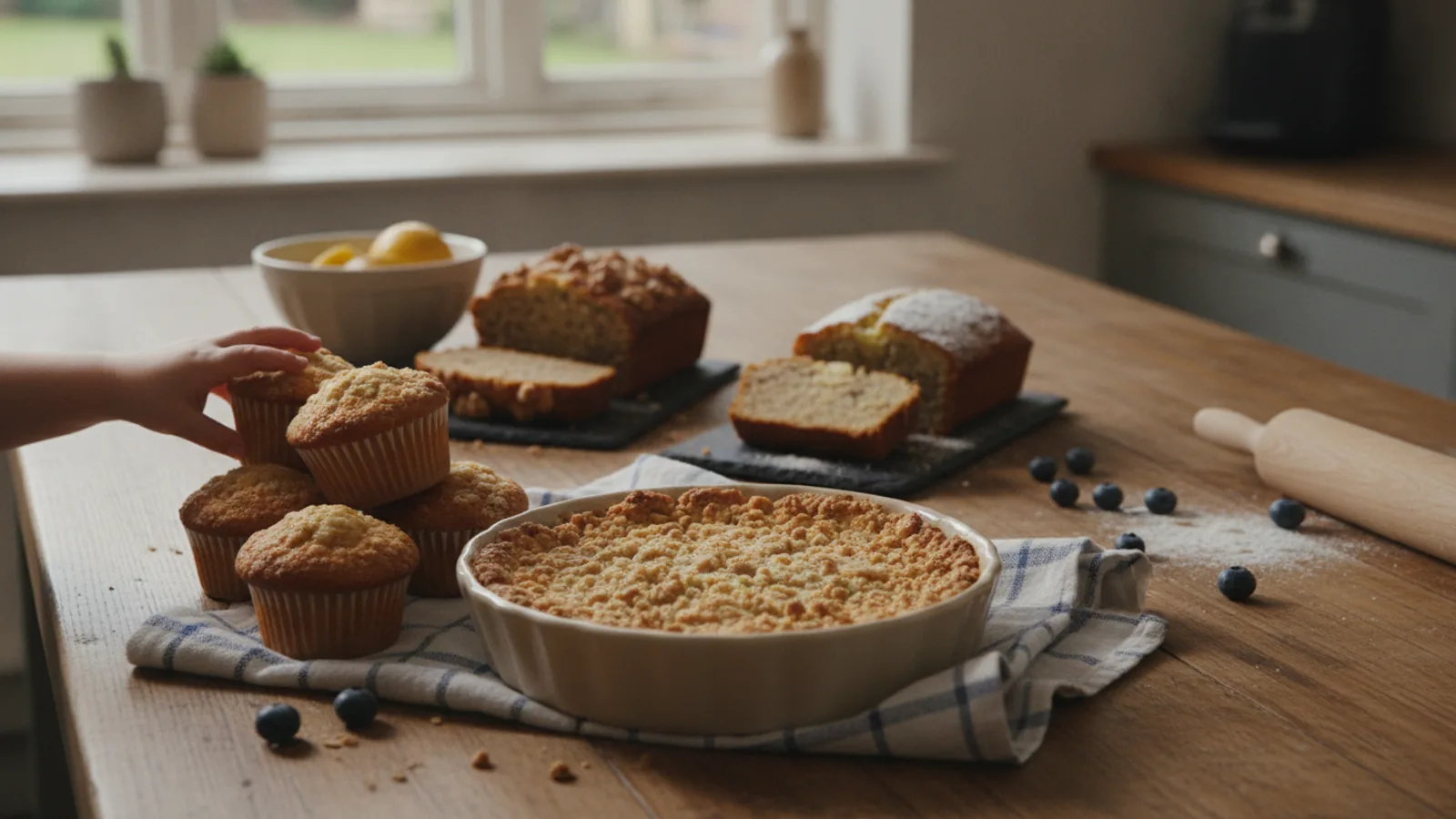
How To Bake A Simple Loaf Cake
A practical step-by-step guide to how to bake a simple loaf cake, including preparation, instructions, common issues, tips, and next steps.
How To Bake A Simple Loaf Cake
Baking a simple loaf cake from scratch is a rewarding kitchen project that requires only basic ingredients and a little patience. This guide walks you through preparing a classic vanilla loaf, covering everything from measuring and mixing to baking and cooling. You will learn how to achieve a tender, moist crumb with a golden crust, and how to troubleshoot common problems like a sunken middle or a dry texture. With clear steps and practical tips, you will gain confidence to bake a loaf cake that is perfect for snacking, breakfast, or sharing with friends and family.
Fast Answer
- To bake a simple loaf cake, cream butter and sugar, beat in eggs, fold in flour, and bake in a loaf tin at 180°C (350°F) for about 50 minutes until a skewer comes out clean.
- First, preheat your oven and grease your loaf tin. Then mix your wet and dry ingredients alternately, pour the batter into the tin, and bake until golden and springy to the touch.
Before You Start
- Before you start, read the entire recipe so you understand the sequence and have all the ingredients at your fingertips.
- Take the butter and eggs out of the fridge about 30 minutes ahead, so they come to room temperature for better creaming and a smoother batter.
- Measure every ingredient accurately using a digital scale for dry items and a liquid measuring cup for milk, if used, to ensure consistent results.
- Preheat your oven to 180°C (350°F) and position a rack in the center, and prepare a 9x5-inch loaf tin by greasing it well with butter or oil.
Step-by-Step Instructions
Preheat and Prepare the Tin
Begin by preheating your oven to 180°C (350°F) and ensuring the rack is in the central position. Grease a 9x5-inch loaf tin thoroughly with butter, using a pastry brush to reach corners, then lightly dust with a tablespoon of flour, tapping out any excess. If you prefer, you can line the tin with a strip of parchment paper over the bottom and up the two long sides to make lifting the cake out easier. This prep prevents the cake from sticking and ensures even baking. A practical check: run your finger along the inside of the tin to confirm a thin, even coating of butter and flour. Why it matters: a properly greased tin allows the cake to release cleanly, and the flour creates a barrier that helps the cake develop a nice golden crust without burning.
Cream the Butter and Sugar
Place the softened butter (about 115g or half a cup) and caster sugar (about 200g or one cup) into a large mixing bowl. Using an electric hand mixer or a stand mixer fitted with the paddle attachment, beat on medium speed until the mixture is pale, light, and fluffy, which typically takes 3 to 5 minutes. You will see the color lighten and the texture become airy. Stop to scrape down the sides and bottom of the bowl with a spatula at least once. A practical check: pinch a little of the mixture between your fingers; it should feel smooth and creamy with no separate grains of sugar. Why it matters: this creaming step incorporates air into the batter, which expands during baking and gives the loaf cake its light crumb. If the butter is too cold or the sugar not dissolved, the cake will be dense and heavy.
Add Eggs and Vanilla
Crack two large eggs into a small bowl and add one teaspoon of vanilla extract. Whisk them lightly with a fork to break up the yolks. With the mixer running on medium-low speed, add the egg mixture to the creamed butter and sugar, a little at a time. Start with a tablespoon, beat until incorporated, then continue, scraping the bowl after each addition. This gradual addition helps prevent the batter from curdling, which can happen if you add all at once. A practical check: the batter should look smooth and glossy, with no visible liquid pooling. If it looks curdled, do not worry; it may still come together once you add flour, but it may affect the texture. Why it matters: a smooth emulsion of eggs and butter creates a moist, even crumb. If the batter splits, the cake can become dense and have a slightly coarse texture.
Fold in the Dry Ingredients
Sift together 200 grams (about 1.5 cups) of all-purpose flour and 1.5 teaspoons of baking powder into a separate bowl. This removes any lumps and adds air. With the mixer off, add the dry ingredients to the batter in two or three parts, using a spatula or a large metal spoon to fold gently. Cut through the batter and turn it over, rotating the bowl, until just a few streaks of flour remain. Do not overmix; the batter should be relatively stiff but still soft. A practical check: scrape the sides and bottom of the bowl to ensure no pockets of flour remain, but the batter will still look slightly lumpy. Why it matters: overmixing develops gluten, which can make the cake tough and chewy. Folding preserves the air you beat in, ensuring a tender crumb. Also, ensure you do not omit the baking powder; it is essential for rise.
Pour Batter and Smooth the Top
Transfer the batter into your prepared loaf tin, using a spatula to scrape every last bit. Spread the batter into an even layer with the back of the spatula, dropping the tin gently on the counter a few times to release any large air bubbles. For a consistent bake, level the top by smoothing it with an offset spatula or the spoon, making a slight dip in the center lengthwise with the back of a spoon if desired. A practical check: the batter should be evenly distributed, with no high peaks that could burn. Why it matters: an even thickness ensures the cake bakes uniformly. Tapping the tin also brings any hidden air bubbles to the surface, preventing large holes in the crumb. A slight dip in the center can help the cake rise flat rather than humped.
Bake and Test for Doneness
Place the filled tin on the center rack of the preheated oven and bake for 45 to 55 minutes. Do not open the oven door during the first 30 minutes of baking. At the minimum time, start checking for doneness by inserting a wooden skewer or a thin knife into the center of the cake. If it comes out clean, with only a few moist crumbs clinging, the cake is done. The top should be golden brown and the edges should just begin to pull away from the sides of the tin. A practical check: press the center gently with your finger; it should spring back immediately, leaving no indent. Why it matters: these tests confirm the interior is fully cooked without being dry. A skewer with wet batter means the cake needs more time; but if the skewer comes out completely dry, you may have overbaked.
Quick Reference
| Situation | Action | Why it helps |
|---|---|---|
| You accidentally added cold eggs directly to the creamed mixture and the batter looks curdled. | Stop mixing immediately. Beat the batter on medium speed for another minute, then add a tablespoon of the measured flour and beat until smooth before continuing. | The extra beating helps re-emulsify the fat and liquid, and the flour helps stabilize the mixture so the final cake texture is still smooth and even. |
| You check the cake at 40 minutes and the top is already very dark but the center is still wobbly. | Gently place a loose sheet of aluminum foil over the top, without pressing it down, and continue baking until the skewer test comes out clean. | The foil reflects excess heat, slowing browning of the crust so the inside can finish baking without burning the outside. |
| The cake is done baking but it is stuck to the tin when you try to turn it out. | Run a thin, flexible spatula around the edges to loosen the cake, then place the tin on its side on a counter and gently roll it to release the sides. You can also rest the tin on a hot, wet cloth for a minute to help it release. | A little heat or moisture softens the butter and sugar at the edges, and the spatula breaks the seal so the cake can come out intact. |
Common Issues
- The loaf cake has a sunken middle after cooling.: Ensure your oven is truly at the right temperature by using an oven thermometer. Also, make sure the baking powder is fresh (within 6 months) and do not overmix the batter. Always test for doneness with a skewer, and avoid opening the oven door in the first 30 minutes to prevent a sudden temperature drop that can cause the center to collapse.
- The cake is dry and crumbly, falling apart when sliced.: This is often due to overbaking. Reduce the baking time by 5 to 10 minutes and check with a skewer earlier. You can also add a simple syrup (equal parts water and sugar, boiled then cooled) brushed on the warm cake to add moisture. Additionally, ensure you are measuring flour correctly—spoon it into your cup and level it, not scooping directly.
- The cake is dense and heavy, not light and airy.: Make sure you cream the butter and sugar long enough, until it is pale and fluffy, which may take up to 5 minutes with an electric mixer. Also, check that your eggs are at room temperature so they emulsify properly. Fold in the flour gently and stop as soon as the streaks disappear; overmixing develops gluten and deflates the batter.
Advanced Tips
- For extra tenderness, replace 30 grams of all-purpose flour with cornstarch (cornflour) in the recipe, which reduces gluten formation and yields a finer crumb.
- To create a beautiful crack down the center, after pouring the batter, run a wet finger or a buttered knife along the middle of the loaf to create a line; this guides the rise and makes a professional-looking split.
- If you want a citrus twist, add the finely grated zest of one orange or lemon to the sugar and rub it in with your fingers before creaming with the butter; this releases the oils and infuses the cake with a bright aroma.
Final Checklist
- All your ingredients are at room temperature and measured correctly; the butter and eggs are not fridge-cold.
- The loaf tin is thoroughly greased and dusted with flour or lined with parchment paper along the long sides.
- The oven is preheated to 180°C (350°F) and a rack is in the middle, and you do not open the door during the first 30 minutes of baking.
- The baked loaf is allowed to cool in the tin for 15 minutes, then turned out onto a wire rack to cool completely before slicing.
FAQ
Can I use a different type of flour, like whole wheat or self-rising?
You can substitute whole wheat flour for part of the all-purpose flour, but it may make the cake denser due to the higher protein content. If you use self-rising flour, omit the baking powder because self-rising already contains a leavening agent. For a gluten-free option, use a 1:1 gluten-free flour blend that includes xanthan gum, and bake slightly longer.
How do I store the loaf cake to keep it fresh?
Once the cake is completely cool, wrap it tightly in plastic wrap or store it in an airtight container at room temperature. It will keep for about 4 days. For longer storage, you can wrap it in plastic wrap and then in foil, and freeze for up to 3 months. Thaw overnight in the refrigerator before serving.
Why did my cake sink in the middle even though I followed the recipe?
A sunken middle can happen if the batter is not baked long enough, if the oven door is opened too early, or if the baking powder is not fresh. Also, adding thick additions like fruit without coating them in flour can sink and cause the center to collapse. Be sure to test with a skewer and avoid opening the oven in the first 30 minutes.