How To Plan A Quick Pantry Meal With Ingredients Worth Keeping On Hand
A practical step-by-step guide to how to plan a quick pantry meal with ingredients worth keeping on hand, including preparation, instructions, common issues, tips, and next steps.
How To Plan A Quick Pantry Meal With Ingredients Worth Keeping On Hand
Planning a quick pantry meal means relying on shelf-stable ingredients you already keep on hand, so you can make a satisfying dinner without a last-minute store run. This guide helps you build a flexible pantry, match ingredients into simple meals, and cook efficiently with step-by-step guidance, troubleshooting tips, and advanced strategies for variety. You'll learn how to assess what you have, choose a formula (like grain + protein + vegetable + sauce), and assemble a meal in under 30 minutes, while also knowing how to handle common issues like missing ingredients or overcooked pasta. The goal is to reduce stress, save time, and waste less food by using what you already own.
Fast Answer
- Keep a pantry stocked with long-lasting staples like rice, pasta, canned beans, diced tomatoes, broth, spices, cooking oil, and a few frozen vegetables, so you can always assemble a quick meal without shopping.
- For a fast meal, pick one grain, one protein (canned or frozen), one vegetable (canned or frozen), and a flavorful sauce or seasoning, then cook them in a single pot or skillet in under 30 minutes.
Before You Start
- Create a running list of your pantry staples and check it every week, noting what you use often so you know exactly what to restock before you run out.
- Organize your pantry by category (grains, canned goods, spices, oils) and place newer items behind older ones, so you can easily see what you have and use the oldest first.
- Learn five basic flavor profiles (like Italian, Mexican, Asian, Indian, and simple herbs) and keep the matching spices and sauces on hand, such as oregano, cumin, soy sauce, curry powder, and garlic powder.
- Before you start cooking, take a quick inventory of your fresh items (like onions, garlic, lemons, or herbs) because they add freshness, but know you can skip them if they're not available.
Step-by-Step Instructions
Assess Your Pantry Inventory and Choose a Formula
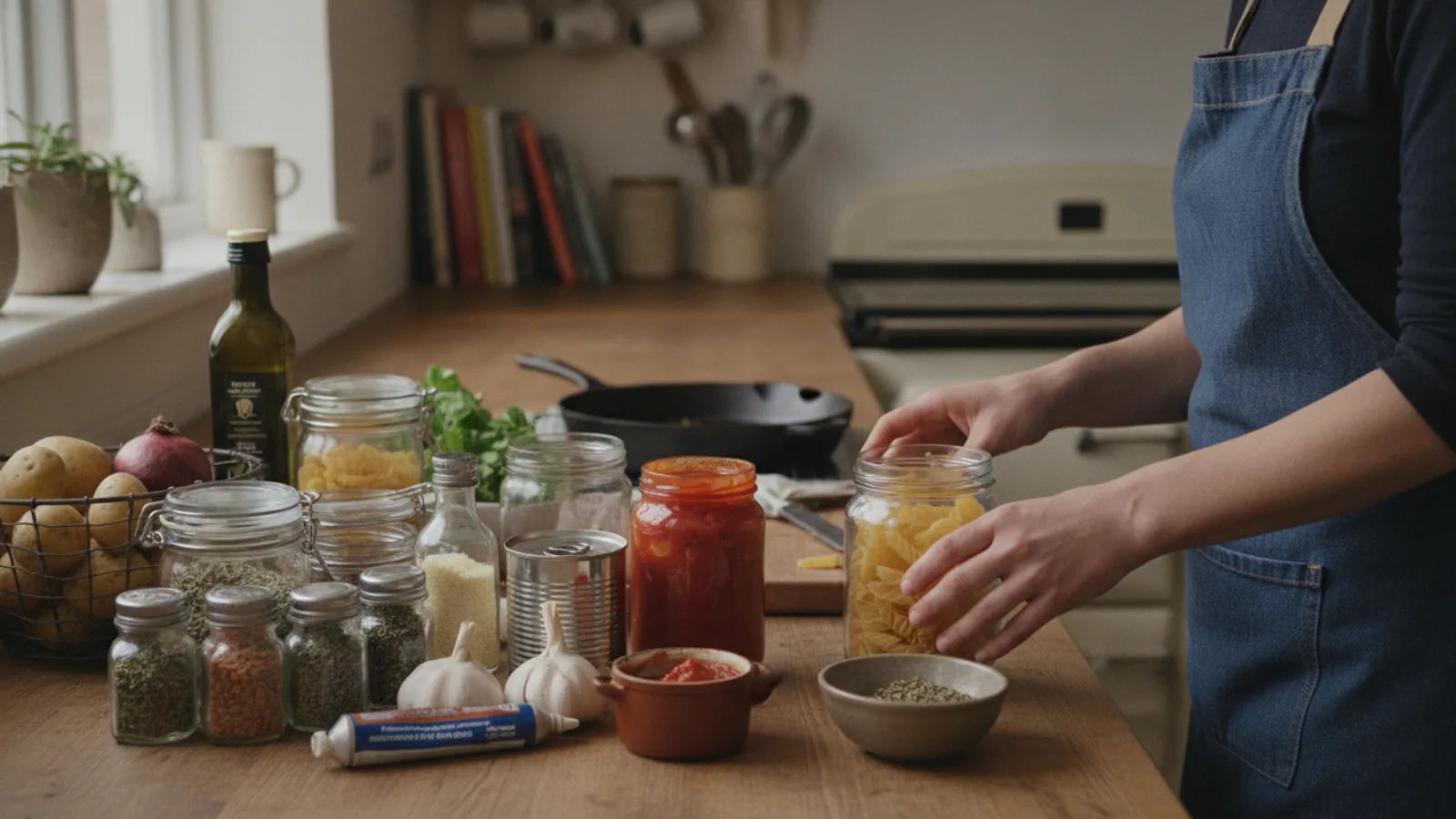
Start by looking at what you actually have, rather than deciding a dish first. Open your pantry and note the grains, canned proteins, vegetables, sauces, and spices that are available. Write them down or take a photo for quick reference. Then, pick a simple meal formula: one grain (like rice, pasta, or quinoa), one protein (canned beans, chickpeas, tuna, or frozen tofu), one vegetable (canned corn, tomatoes, or frozen peas), and one flavorful liquid or seasoning (broth, salsa, soy sauce, or curry paste). This structure works for soups, skillet dishes, or grain bowls. A practical check is to ensure you have at least three of these four components; if you lack a protein, you can double the grain or add nuts or cheese. This check matters because it prevents you from starting a recipe and discovering you're missing a core ingredient, which saves time and reduces frustration.
Select a Cooking Method That Saves Time and Dishes
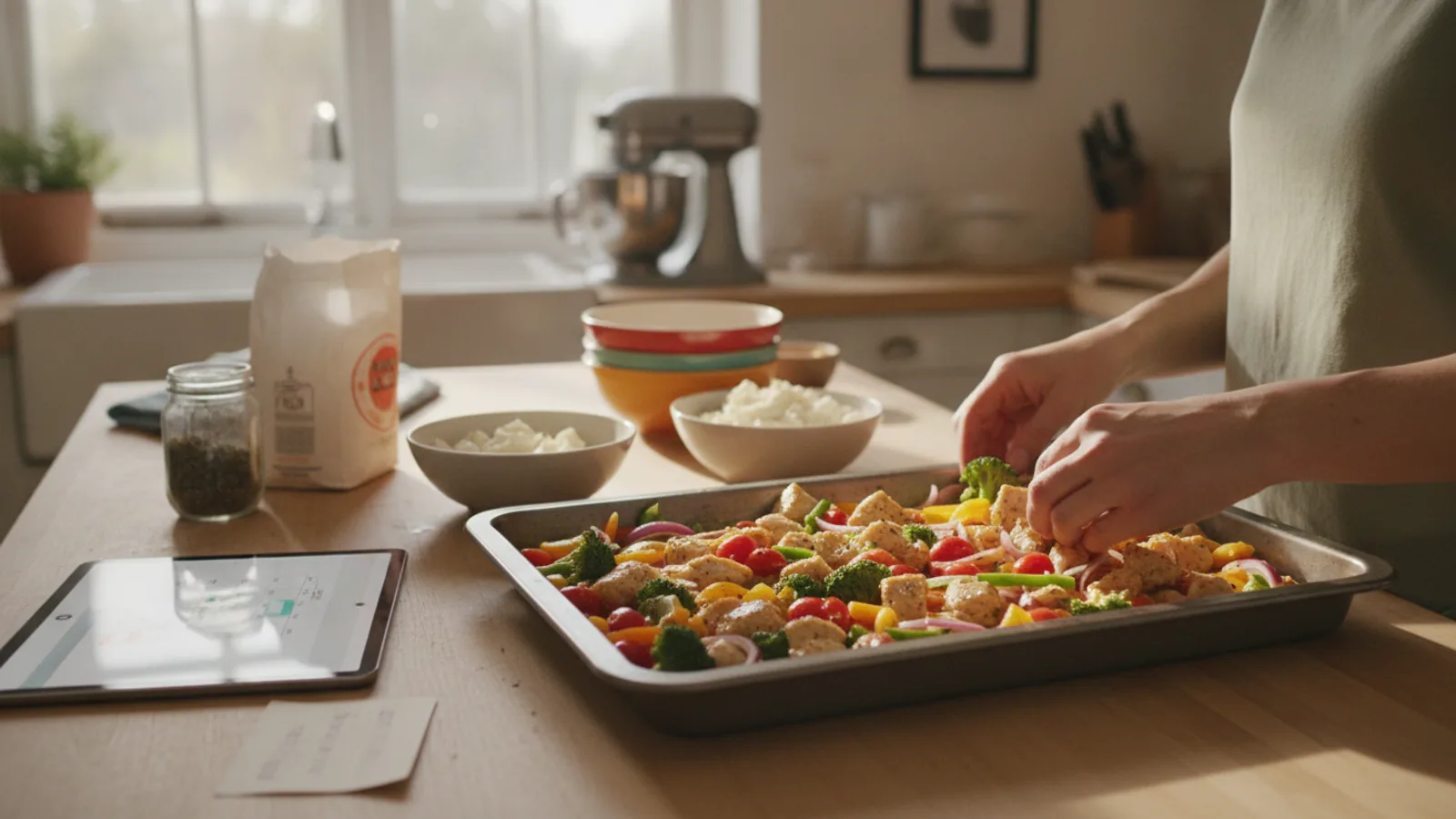
Choose a method that requires only one pot or pan, such as a skillet dinner, a one-pot pasta, or a sheet-pan meal if you have a toaster oven. For a skillet meal, heat a little oil over medium heat, then sauté aromatics like onion or garlic if you have them, which adds depth in about 2 minutes. Next, add your grain (if it's quick-cooking like couscous) or cook raw rice with liquid. For one-pot pasta, add pasta, canned tomatoes, broth, and seasonings all at once, then simmer until pasta is tender. A practical check is to review the cooking times for your chosen grain and protein; for example, canned beans are already cooked and need only heating, while raw rice takes 15-20 minutes. This matters because matching cooking times prevents one element from being overcooked or undercooked, which is the main cause of a disappointing meal.
Layer Flavors with Spices and Aromatics You Have
Even with simple staples, you can create a memorable meal by layering flavors. Heat a tablespoon of oil in your pan, then add ground spices like cumin, coriander, or smoked paprika, and stir for 30 seconds until fragrant. If you have fresh or powdered garlic and onion, add them now. Then, incorporate your canned ingredients, like diced tomatoes or coconut milk, and let them simmer to blend. A practical check is to taste as you go, starting with a small amount of salt and adding more gradually, because canned ingredients already contain sodium. This check matters because over-salting is the most common mistake in pantry cooking; you can always add more, but you can't remove it. Also, add an acid like lemon juice or vinegar at the end to brighten the dish, which lifts all the flavors.
Combine the Components and Adjust Consistency
Once your base is ready, add the remaining components to create a cohesive dish. If you're making a skillet meal, add your protein and vegetables, then stir to combine and heat through. If you're making a soup, add extra broth or water to reach your desired thickness. For a grain bowl, layer the grain, protein, vegetables, and sauce separately. A practical check is to look at the overall texture: it should be moist but not soupy, and the ingredients should be evenly distributed. Use a spoon to fluff and mix, then taste a small bite to ensure all parts are seasoned. This check matters because a good consistency ensures every mouthful is satisfying, and you can avoid a dry or watery outcome by adjusting with liquid or letting it cook uncovered for a minute.
Add a Finishing Touch for Freshness and Texture
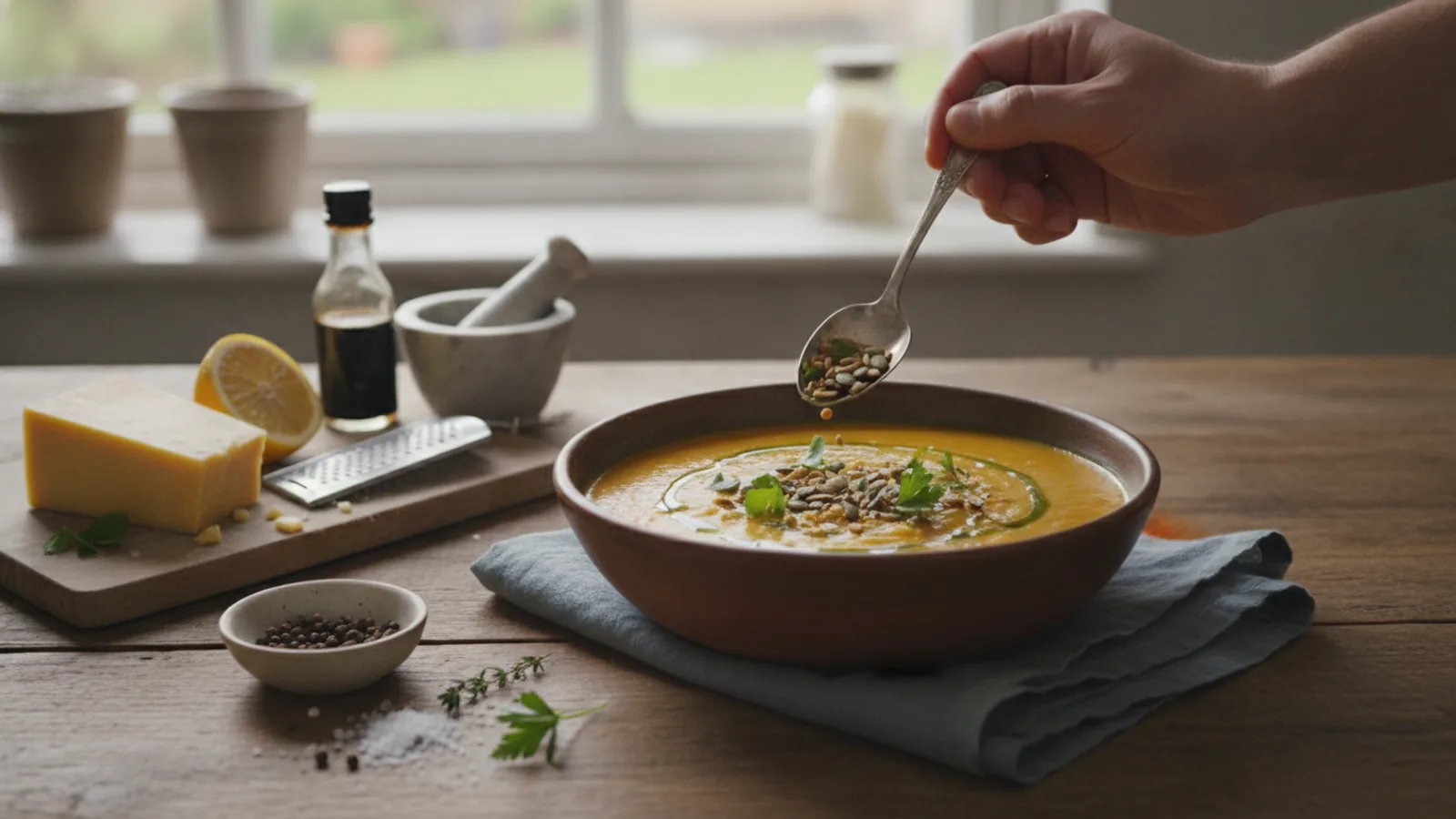
A pantry meal can taste flat if it's all soft components, so add something with crunch or brightness. Common pantry-friendly options include toasted nuts or seeds, crushed tortilla chips, crispy onions (the kind you use for green bean casserole), or a sprinkle of cheese. You can also add a squeeze of lemon or lime if you have a fresh one, or a drizzle of vinegar. A practical check is to have at least one textural contrast: if your dish is creamy, add something crunchy; if it's chunky, add a smooth sauce. This matters because texture is a big part of enjoyment, and a simple topping can elevate a basic meal to feel special. Also, consider fresh herbs if you have them, like parsley or cilantro, which add color and aroma.
Serve and Store Leftovers Safely and Smartly
Serve the meal hot, and if you have leftovers, cool them quickly within two hours and store them in airtight containers. Label the container with the date so you know how long it's been in the fridge; most cooked dishes keep for three to four days. A practical check is to refrigerate leftovers in shallow containers, which helps them cool faster and prevents bacteria growth. This matters because proper cooling and storage reduce the risk of foodborne illness and also help you plan future meals—leftovers can become lunch or another dinner with minor additions. When reheating, ensure the food reaches a safe temperature, and add a splash of water if it seems dry. Use your leftover pantry meal as a base for a wrap, stuffed pepper, or simple soup the next day.
Quick Reference
| Situation | Action | Why it helps |
|---|---|---|
| You have no fresh vegetables at all, only canned and frozen options. | Use frozen vegetables (like peas, spinach, or mixed veggies) and canned vegetables (like tomatoes, corn, or green beans) in your dish, and add a squeeze of lemon or vinegar to brighten the flavor. | Frozen and canned vegetables hold their nutrients and flavor, and acid adds a fresh taste that mimics the brightness of raw produce. |
| Your recipe calls for an ingredient you don't have, like a specific spice or sauce. | Check the label for a similar item you have, or substitute with a blend like Italian seasoning for oregano, or soy sauce for a salty, umami flavor; taste and adjust. | Many spices and sauces have interchangeable counterparts, and using a blend or a similar condiment keeps the meal enjoyable without a trip to the store. |
| You only have 15 minutes to cook, and you're not sure what to make. | Choose a meal formula that uses quick-cooking grains like couscous or instant rice, canned beans, and a simple sauce like salsa or pesto, and heat everything in one skillet for 10 minutes. | Quick-cooking grains and pre-cooked canned items need minimal time, and a one-pan method reduces cooking and cleanup, making it feasible in a tight timeframe. |
Common Issues
- The meal turns out bland and lacks flavor.: Add salt in small amounts, taste as you go, and then add an acid like lemon juice or vinegar at the end. Also, try incorporating a flavor booster like a spoonful of mustard, a dash of hot sauce, or a sprinkle of parmesan cheese, which adds depth without extra prep.
- The dish is too watery or too dry after combining ingredients.: If it's watery, let it simmer uncovered on low heat for a few minutes to let liquid evaporate, or stir in a handful of instant rice or breadcrumbs to absorb excess moisture. If it's too dry, add small splashes of broth, water, or canned tomato juice until you reach the desired consistency.
- You forgot to check the pantry and are missing a key ingredient mid-cooking.: Stay calm and look for a substitute already in your pantry: for example, use black beans instead of kidney beans, or swap rice for quinoa. If no substitute exists, adapt the formula by increasing a component you do have, like adding extra vegetables or a dollop of yogurt or peanut butter for creaminess.
Advanced Tips
- Create a 'flavor base' that you can make in bulk and freeze in small portions, such as a mixture of sautéed onions, garlic, and tomato paste; then you can add it to any dish for instant flavor.
- Keep a few shelf-stable flavor boosters like sun-dried tomatoes, capers, anchovies, or a high-quality miso paste, which add a big punch of umami to simple meals.
- Learn to make a five-ingredient sauce that works for multiple cuisines, like a blend of peanut butter, soy sauce, vinegar, honey, and chili flakes, and adjust spices to suit the dish.
Final Checklist
- Check that you have at least one grain, one protein, one vegetable, and one sauce or seasoning in your pantry before starting.
- Gather all pantry items, a cooking oil, salt, and a timer before you begin to avoid mid-cooking searches.
- Taste the dish before serving and adjust salt, acid, or heat to your liking, as canned ingredients vary in sodium.
- Store any leftovers in labeled, airtight containers within two hours of cooking, and plan how to use them within three days.
FAQ
What are the most essential pantry staples to keep on hand?
Focus on items that are versatile and have a long shelf life: uncooked rice, pasta, or quinoa; canned beans (black, chickpeas, kidney); canned diced tomatoes; low-sodium broth or bouillon cubes; cooking oil (olive or vegetable); a basic salt and black pepper; a few dried herbs like oregano or thyme; and a quick-cooking grain like instant rice. Also, keep a jar of a flavorful sauce like salsa, pesto, or soy sauce to add instant flavor.
How can I make a quick pantry meal when I have very little time?
Choose a one-pot dish that uses mostly pre-cooked items. For example, heat oil in a skillet, add canned beans, canned corn, diced tomatoes, and a spoonful of spices, then simmer for five minutes. Meanwhile, cook instant rice or couscous according to package directions, which takes about five minutes. Combine and serve with a topping like cheese or crushed chips. This meal takes under 15 minutes total and only one pan plus a small pot.
What are some creative ways to use up leftover pantry staples?
Combine leftover grains, beans, and vegetables into a frittata by mixing them with beaten eggs and baking until set. Alternatively, make a wrap or a stuffed pita with any cooked components and a spread like hummus. You can also blend cooked vegetables with broth and cream into a soup, or mix grains with chopped canned fruit and nuts for a quick dessert or breakfast.