How To Plan A Simple Traybake That Works For Weekday Baking
A practical step-by-step guide to how to plan a simple traybake that works for weekday baking, including preparation, instructions, common issues, tips, and next steps.
How To Plan A Simple Traybake That Works For Weekday Baking
Planning a simple traybake for weekday baking means choosing ingredients that cook at the same temperature and time, arranging them in a single layer on a large rimmed baking sheet, and preparing a few components ahead. The goal is to have a flavorful, balanced meal with minimal hands-on effort. Start with a protein that cooks in about 20–30 minutes, add vegetables that roast well, and use a simple sauce or seasoning. You can prep vegetables the night before and store them in a sealed container. On the day, toss everything with oil, season, spread evenly, and roast without turning too often. Finish with a fresh herb or a squeeze of lemon for brightness. This approach saves time, reduces cleanup, and yields a satisfying meal that fits neatly into a busy schedule.
Fast Answer
- Choose a protein that cooks in 20–30 minutes at 400°F/200°C, like chicken thighs, salmon fillets, or firm tofu, and pair it with vegetables that roast well, such as broccoli, bell peppers, or potatoes, all cut to a similar size.
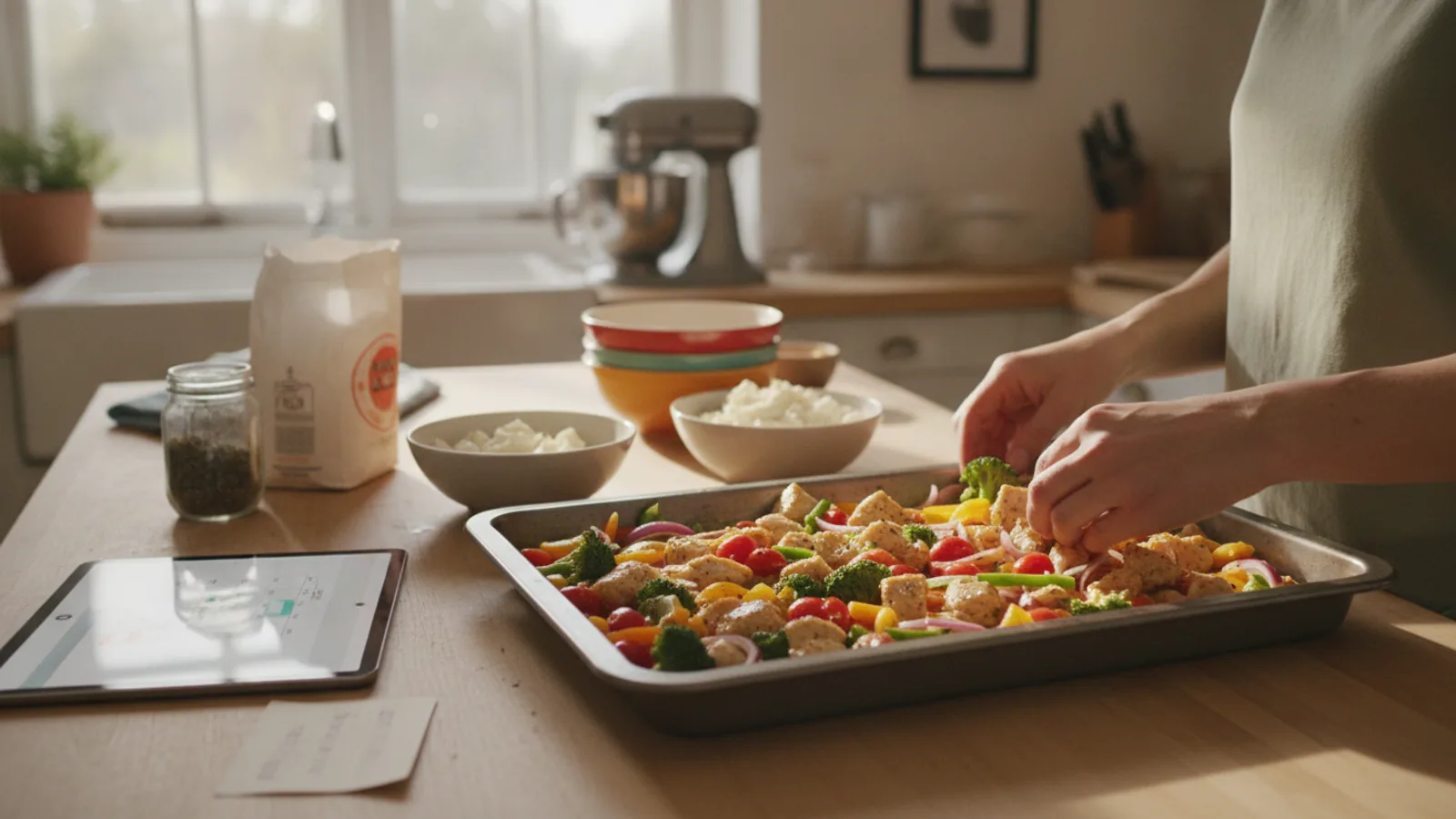
- Spread everything in a single layer on a large rimmed baking sheet, toss with oil and seasonings, and roast without turning too much to get even browning and caramelization.
Before You Start
- Read through your recipe or plan, and list all ingredients and equipment. Ensure you have a large baking sheet (about 18x13 inches) with a rim to catch juices.
- Chop vegetables into uniform pieces, about 1-inch cubes or wedges, so they cook evenly. Softer items like cherry tomatoes can be left whole.
- Mix a simple seasoning blend using salt, pepper, and dried herbs like thyme or oregano. You can also add a pinch of smoked paprika for depth.
- Prep components that need longer cooking, such as potatoes or root vegetables, by parboiling them for 5 minutes, then draining and cooling. This helps them crisp up in the oven.
Step-by-Step Instructions
Choose quick-cooking ingredients
Select a protein and vegetables that have similar roasting times so everything finishes together. For a 400°F (200°C) oven, chicken thighs (boneless, skinless) take about 25 minutes, salmon fillets take 12–15 minutes, and firm tofu cubes take 20 minutes. Vegetables like broccoli, bell peppers, zucchini, and cherry tomatoes roast in 15–20 minutes. Cut denser vegetables like potatoes or carrots into smaller pieces, about ½-inch cubes, so they cook faster. Avoid ingredients that take drastically different times, such as a whole chicken breast with thin asparagus, unless you add the fast-cooking items later. A good rule is to check the recipe, but if you're improvising, keep the total roasting time between 20 and 30 minutes. This ensures that you can set a timer and not have to constantly check or add ingredients mid-roast. For a balanced meal, aim for a palm-sized portion of protein and two cups of vegetables per serving. If you want to include a starch, like potatoes or sweet potatoes, cut them small and toss them with a little oil to help them crisp.
Preheat oven and prepare the sheet
Preheat your oven to 400°F (200°C) with the rack in the middle position. While it heats, line a large rimmed baking sheet with parchment paper or a silicone baking mat for easy cleanup. If you don't have parchment, lightly oil the sheet with a high smoke-point oil like canola or grapeseed to prevent sticking. Ensure the sheet is large enough to hold all ingredients in a single layer without overlapping. If you need to use two sheets, place them on separate racks and switch their positions halfway through cooking. Overcrowding traps steam and makes everything soggy, which is a common mistake. By preheating the sheet itself for 5 minutes before adding the ingredients, you can get a better sear on the bottom, but be careful with parchment paper that isn't rated for high heat. For most home ovens, a preheated sheet helps with browning, but it's not essential. The key is to have a hot oven that recovers quickly when you open the door. As you arrange the ingredients, leave space between them so air can circulate, which promotes caramelization and roasting rather than steaming.
Coat everything with oil and season
In a large bowl, combine the protein and vegetables. Drizzle with a neutral oil, such as canola or olive oil, using about 1–2 tablespoons per sheet pan. Toss everything well so each piece is lightly coated. Then season generously with salt and pepper, and add any dried herbs or spices you like, such as garlic powder, paprika, or cumin. Mix again to distribute the seasonings evenly. A common mistake is to undersalt, so be fairly generous—about a teaspoon of salt per sheet pan is typical, but you can adjust. If you add salt too early to vegetables like cucumbers, they release water, but that's not a concern here. For protein, season just before roasting to avoid drawing out moisture. You can also squeeze half a lemon over the ingredients before roasting for a burst of freshness, but be careful because lemon can dull the color of green vegetables. Another tip is to shake the bowl after tossing to ensure nothing is stuck together. If you have time, let the seasoned mixture sit for 10 minutes so the flavors meld. This step is quick but sets the foundation for flavor, so take a moment to taste-test a raw piece of vegetable: it should be well-seasoned.
Arrange in a single layer
After coating, transfer the mixture to the prepared baking sheet. Spread it out in a single layer, making sure pieces are not stacked on top of each other. If you have more than fits comfortably, use a second sheet. Overlapping pieces will steam rather than roast, so keep them spaced. For even browning, arrange the protein pieces in the center if they need more heat, and vegetables around the edges. Try to give each piece a little breathing room; if the sheet is too crowded, the temperature drops and the food steams. You can also place the meat on top of the vegetables so its juices flavor them, but this might slow crispy vegetable browning. A good approach is to put the protein on one half and vegetables on the other if they have different cooking times, but here they are similar. Once everything is in the pan, use a spatula to gently rearrange any pieces that are touching excessively. This step takes less than a minute but is crucial for texture and even cooking. Resist the urge to toss everything together again on the sheet, as that can break delicate items.
Roast without constant flipping
Place the sheet in the preheated oven and set a timer for the minimum cooking time, usually 15 minutes for a 25-minute recipe. At that point, quickly pull out the pan and use a spatula to turn the protein pieces and shake the vegetables so they cook evenly. This is called 'turning' but it doesn't require flipping every piece. Over-turning prevents browning, so only do it once or twice. Continue roasting for the remaining time, checking for doneness: the vegetables should be tender and caramelized at the edges, and the protein should be cooked through. If the vegetables are browning too quickly but the protein isn't done, you can cover the vegetables with foil to slow their browning. Conversely, if the protein is done but vegetables need more time, remove the protein and let the vegetables continue alone. Use an instant-read thermometer to check the thickest part of the protein, ensuring it meets safe internal temperatures: chicken 165°F, salmon 145°F, and tofu just heated through. If the ingredients are cut uniformly, they should finish together. Once done, remove from the oven and let rest for 5 minutes; this allows juices to redistribute in the meat.
Finish and serve
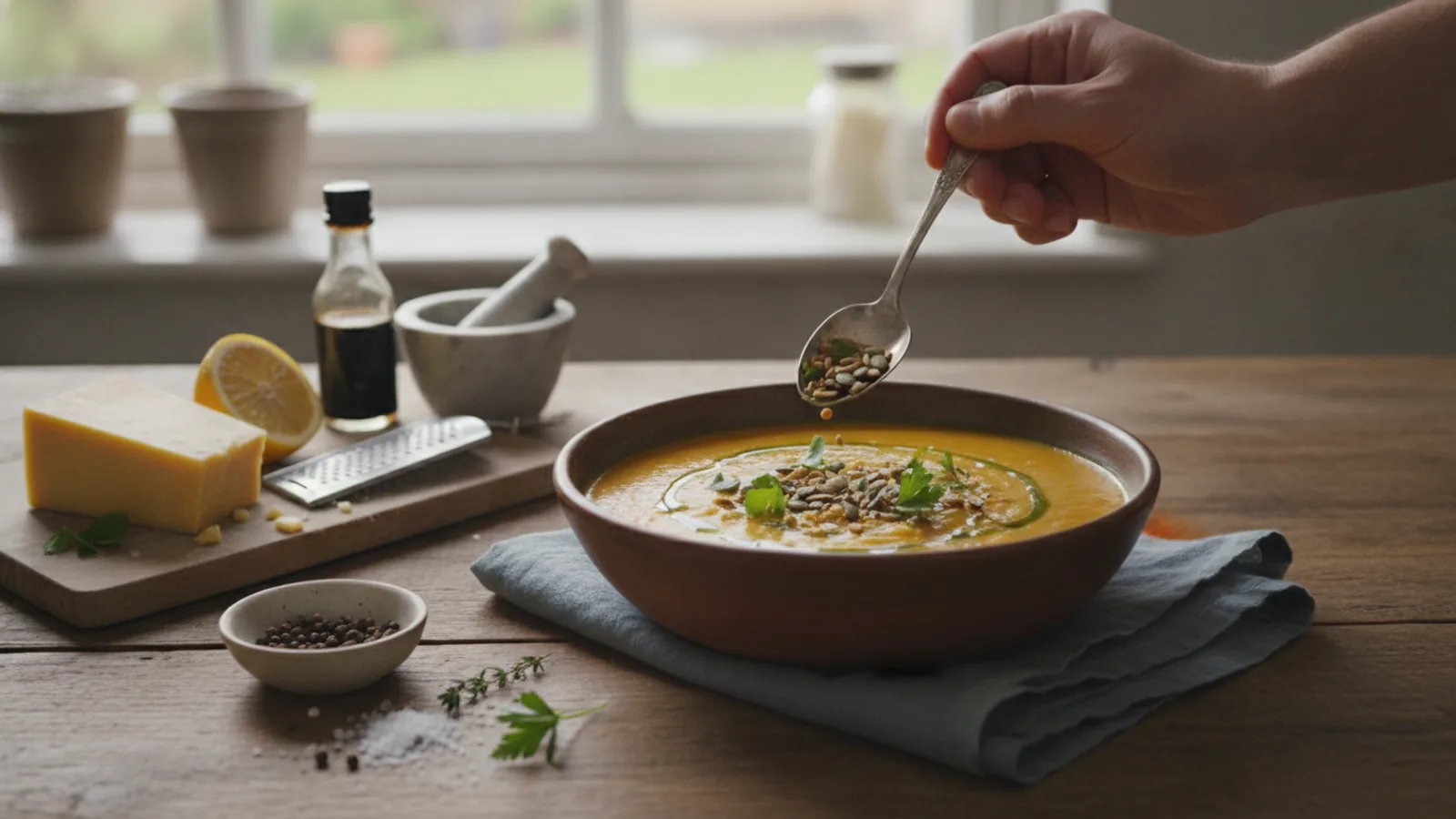
After resting, give the traybake a final taste. Adjust seasoning with a pinch of salt or a squeeze of fresh lemon juice. Scatter chopped fresh herbs like parsley, cilantro, or basil over the top for freshness. You can also add a sprinkle of grated cheese or a dollop of yogurt or hot sauce, depending on your preference. Serve directly from the sheet for a casual weeknight meal, or transfer to a platter. To plate, divide the protein and vegetables among plates, aiming for a balanced portion. If you prepared extras, you can store leftovers in an airtight container in the refrigerator for up to 3 days. Reheat in the oven or toaster oven at 350°F for 10 minutes to restore crispness, or in the microwave for convenience but with less crisp texture. This final step is about making the dish appealing and tasty. Don't skip tasting before serving; it's your last chance to fix seasoning. Enjoy your simple traybake with confidence, knowing that you've created a complete meal with minimal fuss.
Quick Reference
| Situation | Action | Why it helps |
|---|---|---|
| Vegetables are soft but protein is undercooked. | Remove the vegetables to a plate, cover with foil, and continue cooking the protein alone for a few more minutes. | This prevents the vegetables from overcooking and turning mushy while allowing the protein to reach a safe internal temperature. |
| The bottom of the traybake is sticking or burning. | Use a metal spatula to gently loosen any stuck bits, and reduce the oven temperature by 25°F for the next batch. | Burning is often due to a too-hot oven or insufficient oil; adjusting the temperature and using a spatula can salvage the dish and prevent future issues. |
| The traybake is watery and not browning. | Increase the oven temperature to 425°F and roast for 5–10 more minutes, or drain off any excess liquid using a turkey baster. | Steam from excess moisture prevents browning; a hotter oven or removing liquid helps achieve caramelization. |
Common Issues
- The vegetables are soggy instead of roasted.: Make sure the baking sheet is not overcrowded, cut vegetables into smaller pieces, and use a higher oven temperature. Also, pat vegetables dry before coating with oil to reduce moisture.
- The protein is dry and tough.: Use boneless, skinless chicken thighs instead of breast, or check the internal temperature early. Remove from oven as soon as it reaches 165°F, and let it rest for 5 minutes before serving.
- The seasonings are uneven or bland.: Mix the seasoning with the oil before tossing, or season in batches. Taste a piece after coating and add more salt and pepper if needed.
Advanced Tips
- Use a dry brine on the protein: pat it dry, sprinkle with salt, and let it rest for 20 minutes before roasting to enhance flavor and moisture.
- Add a layer of lemon slices or fresh herbs under the protein to infuse flavor and keep the bottom from sticking.
- For a crunchy topping, sprinkle panko breadcrumbs over the vegetables during the last 10 minutes of roasting.
Final Checklist
- Preheat oven to 400°F (200°C) and line a rimmed baking sheet with parchment.
- Cut all protein and vegetables into uniform pieces and toss with oil and seasonings in a large bowl.
- Spread in a single layer on the sheet, leaving space between pieces, and roast for the recommended time, turning once halfway through.
- Check internal temperature with a thermometer and rest for 5 minutes before serving; adjust seasoning and garnish with fresh herbs.
FAQ
Can I use frozen vegetables in a traybake?
Yes, but you need to adjust. Frozen vegetables release more water, so spread them in a single layer and increase the roasting time by 5–10 minutes. Pat them dry with a towel after thawing, and consider roasting them separately first to remove excess moisture before adding the protein.
What if I don't have a rimmed baking sheet?
Use a large oven-safe skillet or a regular baking sheet with a lip, but be careful of spills. In a pinch, you can line a standard sheet with foil and create edges, but juices may drip. Place a larger sheet on a lower rack to catch any drips.
How do I know when the traybake is done?
Check that the protein reaches the recommended internal temperature: chicken 165°F, salmon 145°F, and tofu is hot throughout. The vegetables should be fork-tender and lightly charred. A good visual cue is that the edges of vegetables are caramelized and the juices from the protein run clear.