How To Plan A Reliable Weeknight Dinner Plan For A Busy Family
A practical step-by-step guide to how to plan a reliable weeknight dinner plan for a busy family, including preparation, instructions, common issues, tips, and next steps.
How To Plan A Reliable Weeknight Dinner Plan For A Busy Family
Planning reliable weeknight dinners for a busy family can feel overwhelming, but with a simple system, you can reduce stress, save time, and enjoy healthier meals together. This guide provides a step-by-step approach to create a flexible, realistic meal plan that fits your family's schedule and tastes. You'll learn how to assess your week, build a recipe rotation, prep strategically, and handle common issues—so dinner time becomes a calm, predictable part of your day.
Fast Answer
- Start by listing your family's favorite meals and your available time for cooking each night, then assign a simple theme (like Meatless Monday or Slow Cooker Saturday) to each weekday to reduce decision fatigue.
- Keep a well-stocked pantry with staples like canned beans, pasta, rice, and spices, and plan meals around what you already have to cut down on extra trips and save money.
Before You Start
- Take ten minutes each Sunday to look at your family's schedule for the upcoming week. Note late work days, sports practices, meetings, and other commitments that affect dinner time.
- Create a list of 'go-to' meals that your family actually enjoys and that you can cook in under 30 minutes. Aim for at least ten options so you can rotate and keep things interesting.
- Check your fridge, freezer, and pantry for items that need to be used up. Plan meals around those ingredients first to reduce waste and save money.
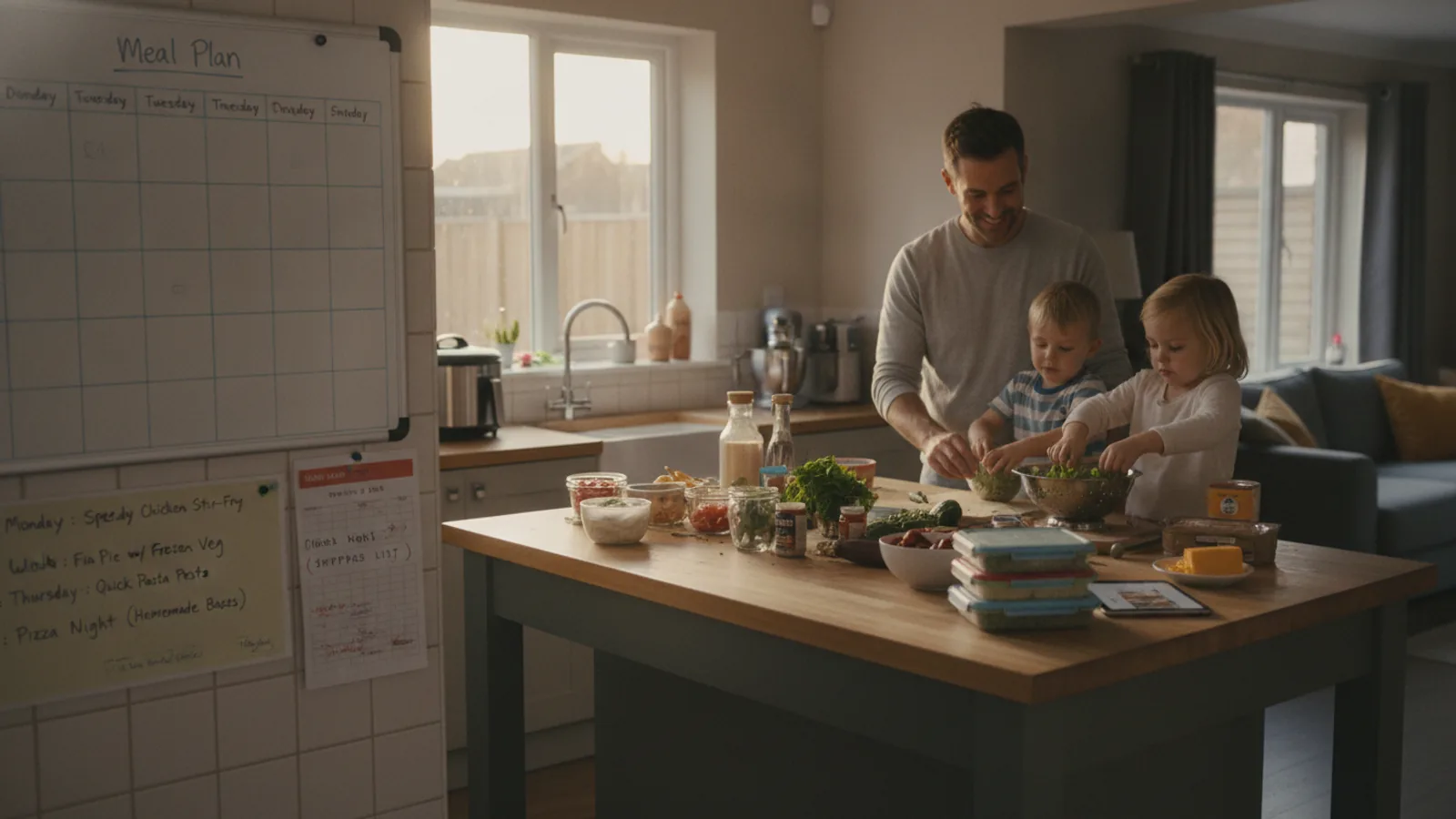
- Write down a simple plan for each night, including the main dish, any sides, and who will help with cooking or cleanup. Post it on the fridge for everyone to see.
Step-by-Step Instructions
Assess Your Week and Family Needs
Start by taking a blank piece of paper or a digital note and sketching out the next seven days. Write down every activity that might affect dinner: kids' sports practices, parent work meetings, tutoring sessions, social events, or anything else that could delay cooking. For each day, estimate how much time you'll actually have in the kitchen—for example, 15 minutes on a busy Tuesday versus a full hour on Sunday. Also note any meals that are already planned, like a school event or a dinner invitation. This information is your foundation, because it tells you exactly where you need a quick meal, where you can afford something a bit more involved, and when you might need to use a slow cooker or a make-ahead dish. Be honest about your family's energy levels and preferences; a plan that ignores reality will quickly fail. Once you have this overview, you can match recipes to the right days, ensuring that your plan is both practical and realistic from the start.
Create a List of Family-Favorite Recipes
Now that you understand your week, it's time to build a personal cookbook of meals that your family genuinely likes and that you can prepare with confidence. Begin by listing at least ten main dishes that have been well-received in the past. If you're drawing a blank, think about your most successful weeknight meals from the last month—those are your winners. For each recipe, note the approximate cooking time, the level of hands-on effort, and the number of pots and pans required. Also note which protein or main ingredient it uses (chicken, beans, ground beef, eggs, etc.) and whether it produces leftovers that can be repurposed. This list is your safety net: It prevents the daily 'What's for dinner?' dilemma and helps you avoid last-minute takeout because you always have a go-to option. When choosing recipes, aim for a mix of quick meals (under 20 minutes), moderate ones (30-40 minutes), and one or two slow-cooker or oven-baked dishes that require minimal attention. Also include at least one 'breakfast for dinner' option like pancakes or omelets, which are fast, cheap, and popular with kids. Once your list is written, keep it in a visible place or on your phone for easy reference.
Match Recipes to Your Week's Schedule
Lay out your weekly calendar and pair each day with a recipe from your go-to list, but now consider the time and energy you have available. For example, on your busiest day, choose a meal that comes together in under 20 minutes or that you can make ahead on the weekend. On a day when you have more time, you might try a new casserole or a recipe that requires chopping several vegetables. After assigning a meal to each night, also consider sides and how to make them efficient: if you're having pasta, decide whether you'll make a simple green salad or steam some broccoli. On nights when you have zero time, plan a leftover meal or a 'fend for yourself' night where everyone heats up something from the fridge. Once you have the rough outline, double-check that you have all the ingredients on hand or that you can shop for them with minimal effort. Also factor in how much cooking you can do ahead: for instance, you might cook extra rice or chicken on Sunday to use in two different dinners. By intentionally matching your recipes to your actual schedule, you'll significantly reduce the stress of making dinner, because each night has a clear, doable plan.
Make a Detailed Grocery List
Now that your weekly meal plan is set, transform it into a precise grocery list. Go through each recipe and list every ingredient you'll need, but first check your pantry, fridge, and freezer to see what you already have. This step is crucial: you'll avoid buying duplicates and prevent food waste. Write your list organized by store sections (produce, dairy, canned goods, grains, meat, etc.) to streamline your shopping trip. Also note any items you need for sides, snacks, and breakfasts that might be part of your routine. When you're at the store, stick to this list as much as possible; impulse buys can derail both your budget and the plan. To save time, consider using a grocery pickup or delivery service if it's available, but always verify that the items you receive match what you ordered. Once you're home, put away groceries with a system: raw meat on the bottom shelf, produce in the crisper, and prominently display prepped ingredients for the next few days on an eye-level shelf. This list is not just about getting what you need; it's about being organized so that when you cook, everything is within reach and you haven't forgotten something essential.
Do Simple Prep for the Week Ahead
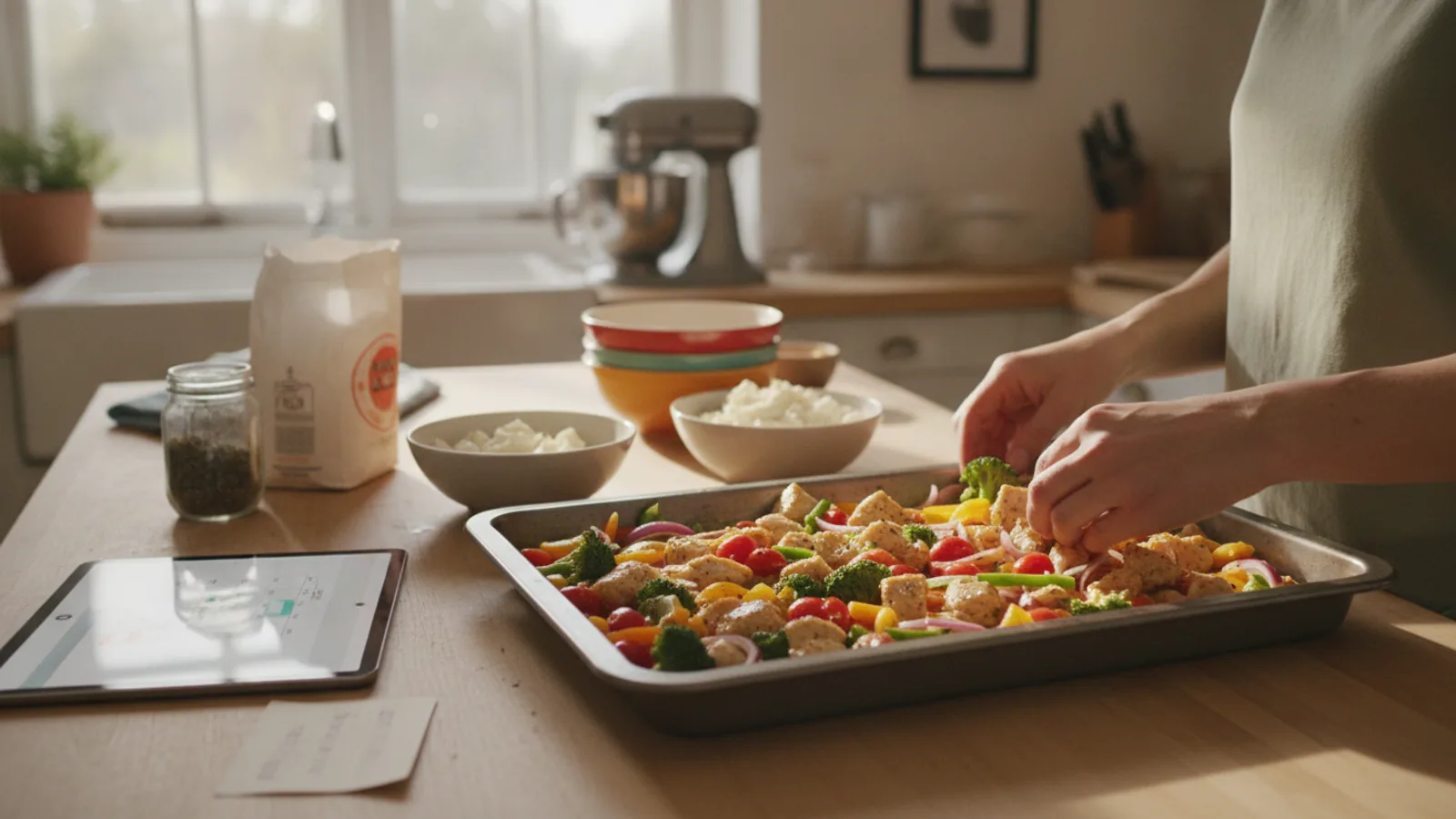
Set aside 30 to 60 minutes on a day when you have a little breathing room—maybe Sunday afternoon or after work on a less busy evening—to do some basic meal prep. Start with tasks that reduce weeknight rush: wash and chop vegetables like carrots, bell peppers, or broccoli, and store them in airtight containers. Cook a batch of rice, quinoa, or potatoes that can be reheated for several sides. Marinate chicken or season ground meat according to your recipes, and portion them into separate bags or containers. You can also hard-boil eggs, make a homemade salad dressing, or cook crumbled sausage for quick additions. The goal is not to fully cook all meals but to shave off the most time-consuming tasks so that on a hectic Tuesday you only need to assemble and cook. This prep also helps you maintain portion control and use ingredients before they spoil. Keep your prepped items labeled and visible in the fridge, and always check your plan to see which prepared items you'll use that night. By spending a little time upfront, you'll save many minutes each evening and reduce the temptation to order out.
Cook with a Flexible Mindset
When it's time to actually make dinner, approach it with a flexible, calm mindset. Follow your recipe but allow for substitutions—if you're out of an item, look for a reasonable swap from your pantry or adjust with what you have. For example, if a recipe calls for broccoli and you have frozen peas, that will still work. Keep a timer and use a cooking app or a simple notepad to track times, but don't obsess over perfection. While your meal cooks, engage your family: ask kids to set the table or toss a salad, which teaches them skills and lightens your load. If you find yourself running low on time, don't be afraid to simplify—skip a side dish, or serve the protein over rice instead of as a fancy plated meal. Also, make extra portions when possible, so you can freeze leftovers for a future night. Most importantly, remember that the goal is to serve a nutritious, reasonably healthy meal that everyone can eat together. Even if the dish isn't Pinterest-worthy, it's a success because you followed your plan and kept your family nourished. After dinner, pack leftovers for the next day, wipe down the kitchen quickly, and feel proud that you stuck to your system.
Quick Reference
| Situation | Action | Why it helps |
|---|---|---|
| You get a flat tire on the way home and you can't shop or cook. | Use your freezer stash: pull out a pre-cooked meal or a plain rotisserie chicken (if you have one), defrost in the microwave, and serve with a simple bagged salad or steamed frozen veggies. | Having a backup frozen meal or a quick-to-reheat protein lets you honor the dinner hour with minimal effort, preventing stress and unhealthy takeout. |
| Your child has a surprise extra practice and dinner time is cut by 20 minutes. | Switch tonight's planned meal with a faster one from your list, or transform the planned dish into a quicker version—e.g., turn chicken stir-fry into chicken and rice bowls using pre-cooked rice and pre-cut veggies. | This keeps your cooking time within the new window and ensures you avoid rushed, chaotic cooking that often leads to burnt food or frustration. |
| You arrive home later than expected and you're completely exhausted. | Implement your 'fend for yourself' night: set out leftovers, cheese, crackers, fruit, and sandwich fillings, and let everyone assemble their own plate. | This is a stress-free, zero-cooking solution that gives family members autonomy and still ensures everyone eats, without derailing your overall plan. |
Common Issues
- One or more family members refuse to eat certain planned meals.: Involve everyone in the planning by letting each person choose one meal for the week that they love. Also, when a meal is less popular, serve a 'deconstructed' version where each person can assemble their own plate—like taco bar or pasta with separate toppings—so they can leave out what they dislike.
- Your grocery list items often aren't in stock or you forget to buy something.: Create a master list of essential pantry staples that you always keep on hand. For fresh items, keep a backup list of 'swappable' ingredients (e.g., if you don't have spinach, use kale or frozen spinach). Also, use a grocery app or notepad to note what you've used up as you finish it.
- Leftovers go uneaten and food is wasted.: Plan a designated 'leftover night' each week, such as Thursday, where you lay out all leftovers and family members choose what to eat. Alternatively, package leftovers into individual portions and freeze them for a future quick meal, labeling them with the date and contents.
Advanced Tips
- Try theme nights to add excitement and streamline planning: Meatless Monday, Taco Tuesday, Slow Cooker Thursday, and Pizza Friday. This gives you a template to work from each week, reducing decision fatigue.
- Utilize half-heat methods: cook a big batch of ground beef with onions and spices, then freeze it in portion sizes. You can use it for tacos, pasta sauce, chili, and casseroles on different nights, saving hours of prep.
- Consider a 'cook once, eat twice' approach: when you make roast chicken on Sunday, save the leftover meat for sandwiches and use the bones to make a broth for a future soup, maximizing your effort.
Final Checklist
- I have checked my family's schedule for the week and noted busy days and time constraints.
- I have a list of ten go-to meals that my family enjoys and that fit various time budgets.
- I have made a detailed grocery list based on the meal plan and checked my pantry to avoid duplicates.
- I have at least one backup meal in the freezer and a list of quick substitutions for common ingredients.
FAQ
How can I keep my meal plan from becoming boring?
Rotate your go-to recipes and aim to try one new recipe each week. Involve family members in choosing the new dish and assign a theme night, like 'New Cuisine Friday.' Also, keep a list of meals your family hasn't had in a while and schedule them every few weeks to add variety without overloading your planning time.
What should I do if a planned meal fails or everyone hates it?
Stay flexible and have backup ingredients on hand that can quickly make a simple meal, such as frozen leftovers, pasta and jarred sauce, or eggs for omelets. Don't let one failure discourage you; cook the dish again later with a tweak, or simply remove it from your list. Remember that every family has different tastes, and an occasional miss is normal.
How can I save time on grocery shopping each week?
Create a standard shopping list template with categories and staple items, and then add only the unique ingredients for the week's meals. Use a grocery pickup or delivery service to reduce time and impulse buying, and schedule a regular shopping time that is consistent. Also, consider buying certain non-perishable items in bulk to reduce the number of trips.