How To Keep A Weeknight Dinner From Feeling Rushed
A practical step-by-step guide to how to keep a weeknight dinner from feeling rushed, including preparation, instructions, common issues, tips, and next steps.
How To Keep A Weeknight Dinner From Feeling Rushed
Cooking a weeknight dinner often feels like a race against the clock, but with a few deliberate strategies, you can turn the evening meal into a calm, enjoyable ritual. This guide shows you how to prepare ahead, organize your kitchen, and streamline your cooking process so that you can serve a satisfying dinner without the frantic rush. You will learn to plan meals, prep ingredients in advance, use efficient cooking techniques, and create a relaxed atmosphere at the table. By following these steps, you will reclaim your evenings and savor both the food and the company.
Fast Answer
- Plan your meals for the week in advance, choosing recipes with overlapping ingredients and quick cooking times.
- Do most of your prep work on the weekend or the night before, so that on a weeknight you only need to assemble and cook.
Before You Start
- Choose recipes that have fewer than five main ingredients and that can be cooked in under forty minutes. Write these on a simple list so you can shop once and avoid last-minute confusion over what to make.
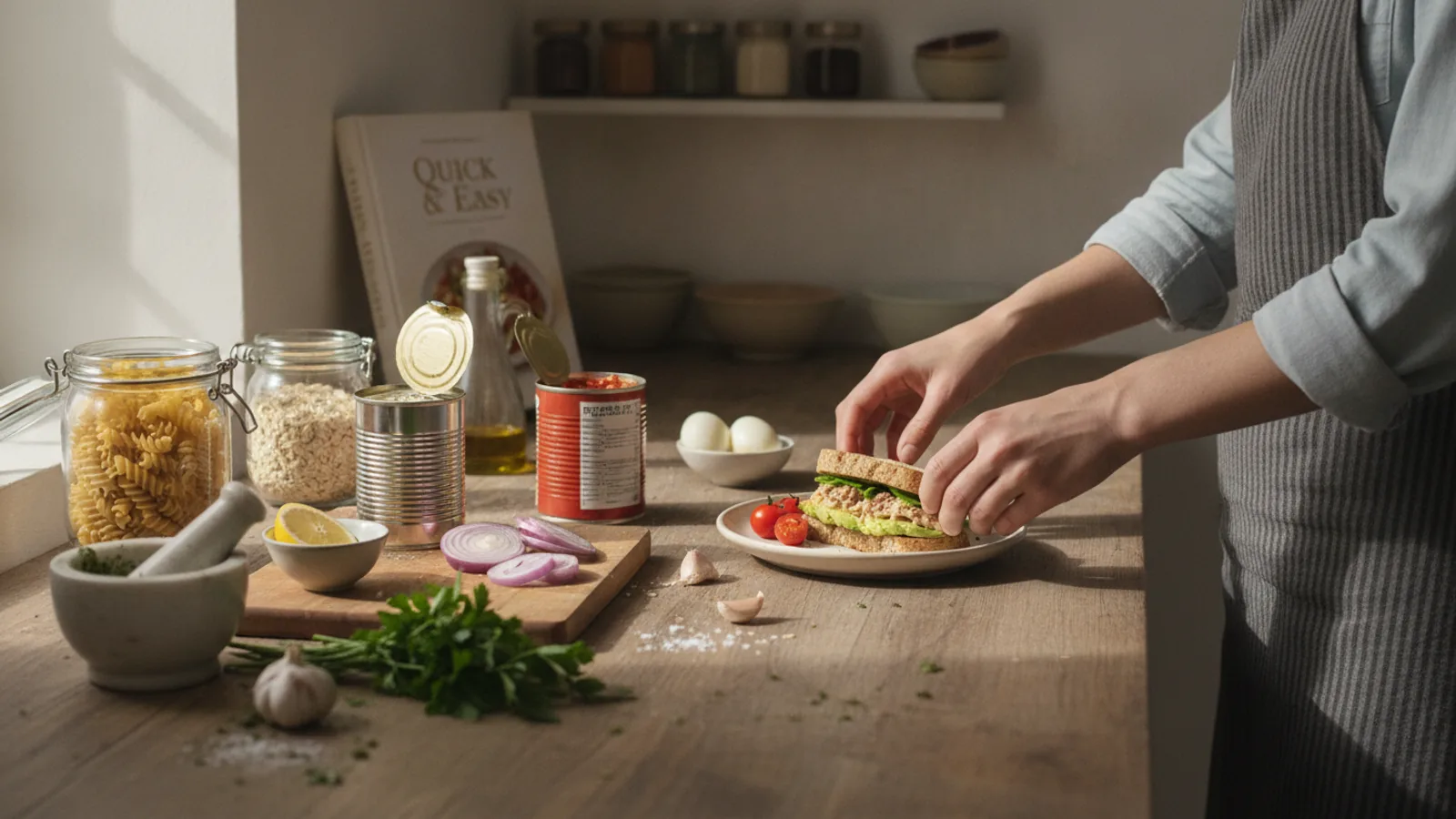
- Set aside a dedicated twenty-minute period on Sunday evening to wash, chop, and store vegetables in airtight containers. Keep leafy greens separate from wet ingredients to maintain freshness.
- Marinate proteins such as chicken or tofu in a resealable container the night before, so that the flavors develop and you can simply sear or bake them the next day.
- Measure out all dry spices and liquids into small ramekins or cups and place them in a tray. This 'mise en place' approach means you can start cooking immediately without searching for the oregano.
Step-by-Step Instructions
Create a simple weekly meal plan
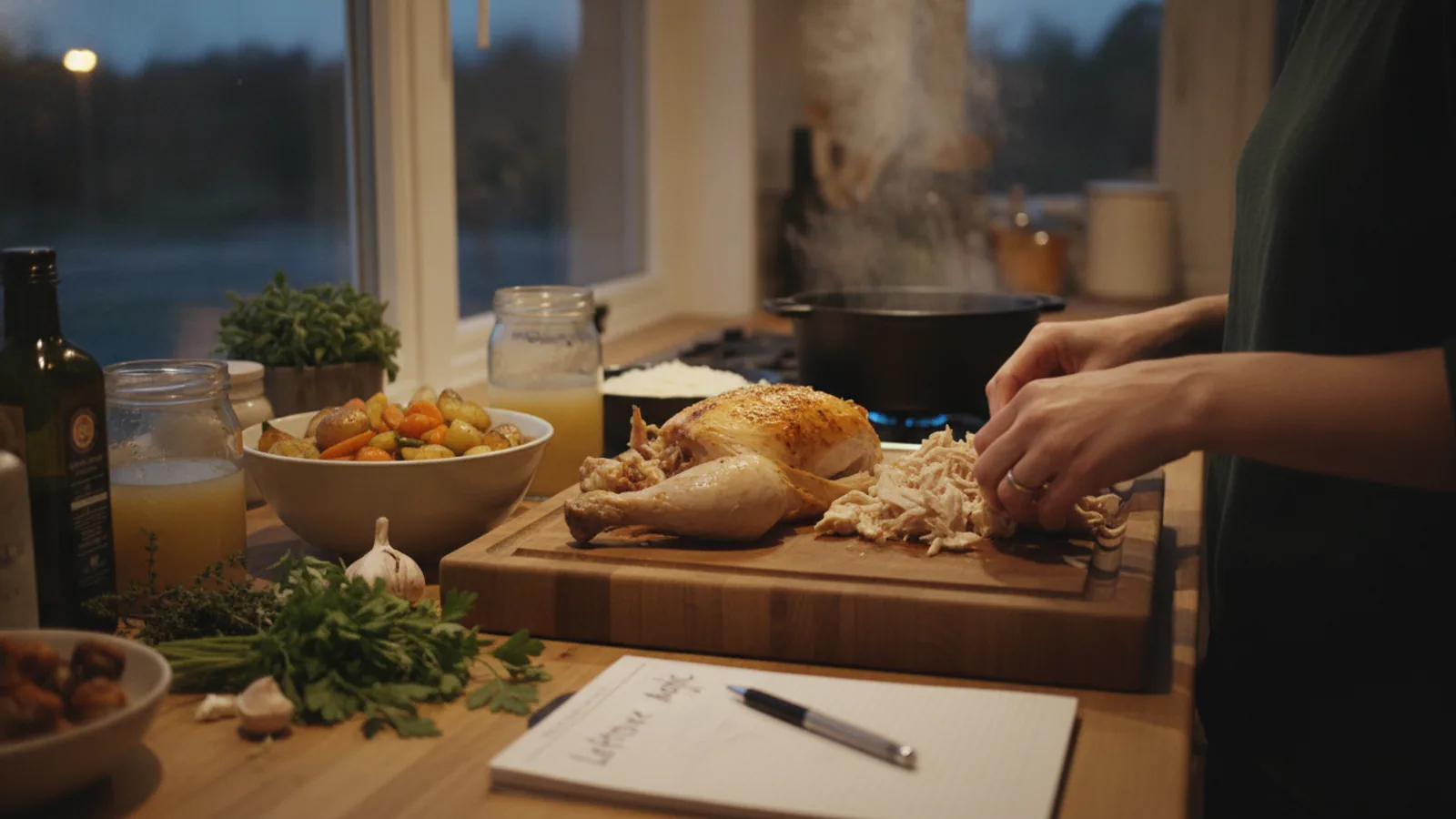
Start each week by jotting down five simple dinners on a notepad, one for each weeknight. Pick dishes that share similar ingredients, like a roast chicken one night and chicken salad the next, so you can buy in bulk and reduce waste. Aim for recipes with short lists of fresh ingredients and straightforward steps, such as stir-fries, sheet-pan bakes, or one-pot pastas. Write the plan on a whiteboard or a piece of paper stuck to the fridge, and take a photo of your grocery list before you leave for the store. This planning step eliminates the nightly 'What's for dinner?' scramble and gives you a clear target. Check that each recipe truly fits into your available time by reading through the method thoroughly once; if it calls for long marinating or multiple complicated components, swap it for something simpler. Also verify you own the basic equipment such as a sharp knife and a large skillet. This habit of planning every Sunday takes about fifteen minutes but saves you far more time and stress during the busy week, and it ensures you go to the grocery store with a deliberate list instead of grabbing random items.
Shop once with a precise grocery list
Before going to the store, write your grocery list based on the meal plan, grouping items by category such as produce, proteins, and pantry staples. Stick to the list to avoid impulse buys, and check your fridge and pantry first so you do not purchase duplicates. Choose pre-washed greens, pre-cut vegetables, or vacuum-sealed proteins if they help you save time, but also consider buying whole vegetables and cutting them yourself during your weekend prep session. When you return from the store, immediately store everything in the right places: refrigerate perishables, freeze any meats you will not use within two days, and keep pantry staples in clear containers. This organized approach means that when you are ready to cook on a weeknight, all ingredients are easy to find and ready to use, and you do not waste time hunting through bags or discovering you are missing a key item. Also make a habit of putting away groceries as soon as you come in, because leaving items on the counter can lead to confusion and forgotten ingredients. If you often shop on the way home from work, keep a cold bag in the car for perishables so they stay fresh, and remember to bring your list on your phone or paper so you do not have to rely on memory.
Do a twenty-minute weekend prep session
Set aside twenty to thirty minutes on the weekend or on a quiet evening to prepare ingredients for the upcoming week. Wash and chop vegetables like onions, bell peppers, and carrots, and store them in airtight containers lined with a paper towel to absorb moisture. Portion proteins into individual freezer bags, and measure out dry ingredients like rice or pasta into jars. Also make one or two full sauces, such as a simple tomato sauce or a vinaigrette, and keep them refrigerated in glass jars. This prepping is not about cooking entire meals, but about reducing the work needed when you are tired on a weekday. By having chopped vegetables ready and proteins portioned, you can assemble a stir-fry, soup, or casserole in under ten minutes. When you store your prepped items, label each container clearly and put them at eye level in the fridge so you do not forget about them. If you use ingredients like fresh herbs, wrap them in a damp paper towel and keep them in a sealed container to extend their life. This upfront investment of a small amount of time pays off tremendously, because you will never come home to a pile of raw vegetables that need cleaning and chopping before you can even start cooking.
Set up your kitchen for efficiency
Arrange your kitchen so that everything you need for a quick meal is within reach: place cutting boards on the counter, sharpen your chef's knife, and keep a heatproof spoon and tongs near the stove. Put frequently used spices on a lazy Susan or in a drawer organizer, and keep cooking oil, salt, and pepper in the same spot every day. Before you start cooking, do a quick visual sweep of your work area and clear away clutter so you have ample space to move. Also position your trash or compost bowl near the cutting area so you do not have to walk back and forth. This organization reduces the time you spend searching for tools and ingredients, and it also lessens mental fatigue because you are not constantly stopping and starting. One specific action is to designate a 'cooking station' on the counter where you always prep, and keep a small trash bowl there. Another is to pre-set a pot of water on the stove to boil at the beginning of dinner, so that you can cook pasta or vegetables immediately. Check that your pots and pans are clean and ready, and that you have enough burners free for the dishes you plan to make. This setup turns your kitchen into a streamlined workspace where you can move fluidly from prep to cooking without unnecessary delay.
Follow a sequential cooking timeline
Once you start dinner, begin with the step that takes the longest, such as preheating the oven or bringing a pot of water to a boil. While that is heating, start chopping any remaining vegetables or cooking proteins that go first. Use time wisely: for example, while pasta boils, you can sauté vegetables in the same pan you will use for the sauce, or you can put a sheet-pan meal together while the oven warms. A practical check is to write a mini-timeline on a sticky note, such as 'Start oven, then prep, then cook protein, then add vegetables.' For a typical stir-fry, you could start cooking rice or noodles first because they take longer, then sear the protein, then stir-fry the vegetables, and finally combine. By sequencing tasks from longest to shortest, you ensure that everything finishes at the same time and that you never have a cold plate. This also prevents the scrambled feeling of doing multiple things at once because you intentionally choose one task to focus on at a time. If you are making several components, set a timer for each part to keep track without watching the clock constantly. At the end, check that all parts are heated through and that the food is at the right temperature before you serve, because a rushed meal can be undercooked in the middle.
Plate patiently and enjoy the meal
After cooking, resist the urge to serve instantaneously. Let finished dishes rest for a couple of minutes while you set the table with plates, utensils, and glasses. This rest period allows juices to redistribute in meat or allows noodles to absorb sauce, and it gives you a moment to breathe. Divide the food onto plates in a deliberate, calm manner, and consider adding a simple garnish like chopped herbs or a squeeze of lemon to make the meal feel special. Then, sit down with your household and eat without looking at phones or rushing through the meal to get to other tasks. Use this time to talk about your day or simply enjoy the silence. This final step is crucial because it shifts your mindset from 'getting dinner over with' to 'savoring dinner.' A practical check: before you take the first bite, put down your utensils and take one slow breath to appreciate the food. Also, do not start cleaning up immediately; allow yourself to finish eating and rest for a few minutes. You can clear plates and wash dishes after, but the meal should not be a whirlwind. By deliberately slowing down in this last phase, you reinforce that dinner is a pleasant part of the evening, not a duty to complete.
Quick Reference
| Situation | Action | Why it helps |
|---|---|---|
| You come home later than expected and have no plan. | Choose a 'plan B' meal from your freezer or pantry, such as eggs and toast, a can of chickpeas, or a frozen stir-fry mix. | Having a backup simple meal means you never have to stress about a complex recipe when time is short. |
| You realize you forgot to defrost the chicken. | Use quick-thaw methods: place the sealed bag in a bowl of cold water, changing the water every 15 minutes, and do not use hot water. | Cold-water thawing is faster than countertop thawing and keeps the meat at a safe temperature. |
| You have leftover vegetables that are about to wilt. | Roast them on a sheet pan with oil and salt at 425°F for 15-20 minutes, then add them to a salad or grain bowl. | Roasting revives vegetables and turns them into a quick side dish, reducing food waste and saving time. |
Common Issues
- You feel overwhelmed by the number of components in a recipe.: Simplify by cutting out one element: for example, omit a side salad or substitute a store-bought sauce for a homemade one. Focus on the main protein and one side, and remember that a simple meal is still satisfying.
- You start cooking but realize you are missing an ingredient mid-way.: Keep a list of common substitutes on your fridge or in a phone note. If you lack an ingredient, quickly search for a substitution or adjust the recipe: for instance, use lemon juice instead of vinegar, or yogurt instead of sour cream. If it is a non-essential, just skip it and move on.
- You find that dishes finish at different times, leaving one cold.: Plan your cooking so that items that can hold temperature are started first, and any item that gets cold quickly (like salad) is prepared last. Use a microwave or warm oven to keep finished components warm while others cook, but do not overheat or dry them out.
Advanced Tips
- Batch-cook a grain or protein base once a week, such as rice, quinoa, or grilled chicken, and use it as a building block for multiple dinners.
- Invest in a slow cooker or pressure cooker, but only if you will actually use it; read the manual and try two or three one-pot recipes to find your favorites.
- Use the 'two-for-one' method: cook double a recipe that freezes well, and freeze the extra portion for a night when you do not want to cook at all.
Final Checklist
- Write out a weekly meal plan with five simple dinners and post it where you can see it.
- Complete a twenty-minute prep session for your coming week, chopping vegetables and portioning proteins.
- Set up your kitchen counter with cutting board, knife, and a waste bowl, and preheat the oven or water before you start cooking.
- Sit down and eat without distractions, and take a few deep breaths to appreciate the meal.
FAQ
What if I have very little time even for prep?
If you even have just ten minutes, you can still chop an onion, grate some ginger, and measure out spices. Or you can wash and store greens. Even a small amount of prep makes a difference. All you need is to choose one simple action, like washing the vegetables or marinating a protein, and do that in the morning or the night before. The key is consistency: doing a tiny bit each day builds a routine.
How do I get started if I am new to meal planning?
Start by writing down just three dinners for the next three days, not a whole week. Pick recipes that you already know, and shop for those three nights. Once you feel comfortable, add one more night and build up. You do not have to be perfect at first; the goal is to build a habit gradually. Also, do not overcomplicate with fancy dishes; start with basic pasta, stir-fries, or a sheet-pan protein and vegetables.
What if my family prefers different meals?
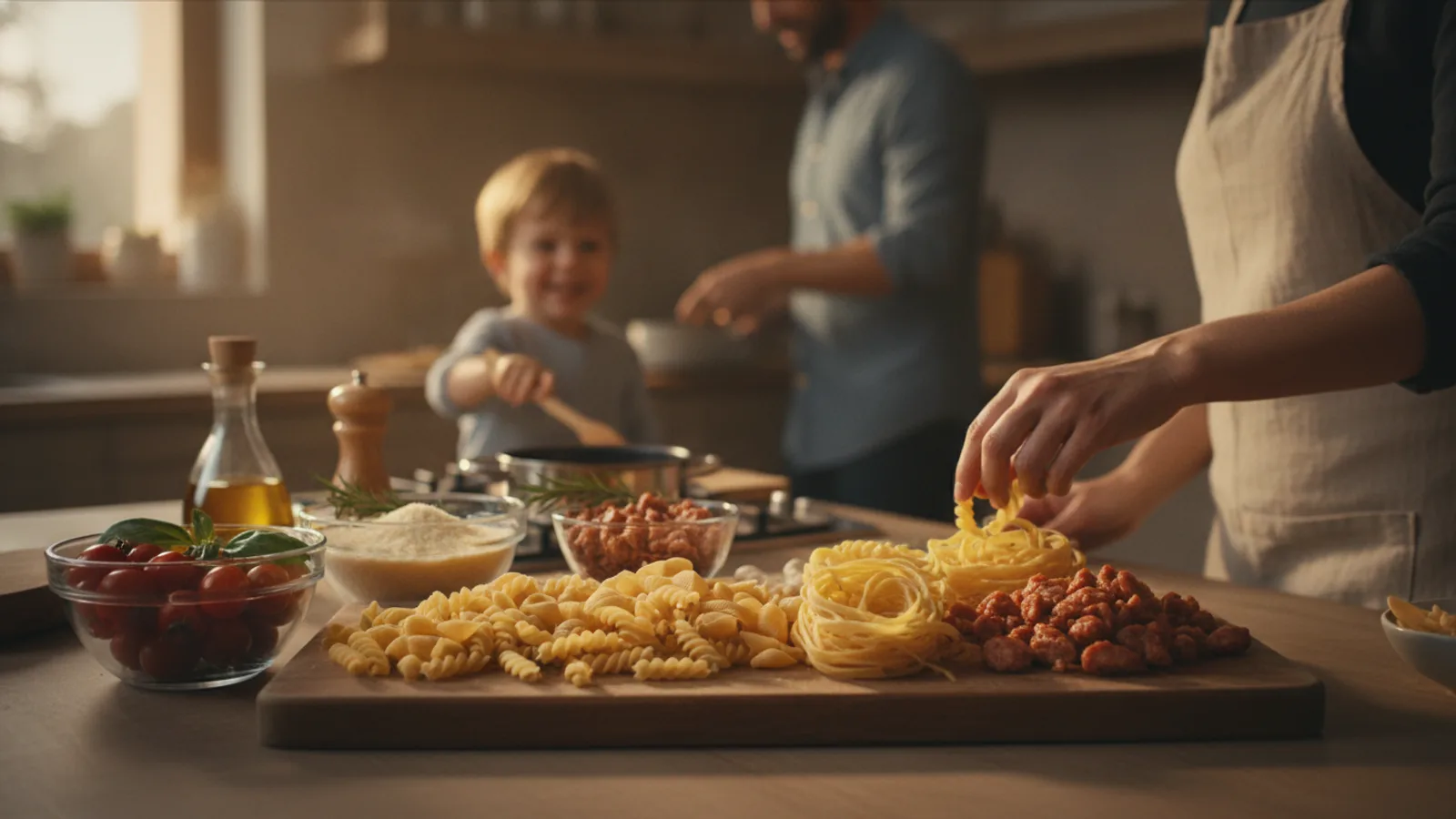
You can prepare a base ingredient that everyone likes, like pasta or rice, and then offer a few toppings or sauces they can choose from. For example, have a simple tomato sauce and a pesto, plus some sautéed vegetables and proteins. Or make one main dish and let each person add their own preferred seasoning or side dish. This way everyone has some control, and you do not cook five separate meals.