How To Make A Quick Lunch From Pantry Staples
A practical step-by-step guide to how to make a quick lunch from pantry staples, including preparation, instructions, common issues, tips, and next steps.
How To Make A Quick Lunch From Pantry Staples
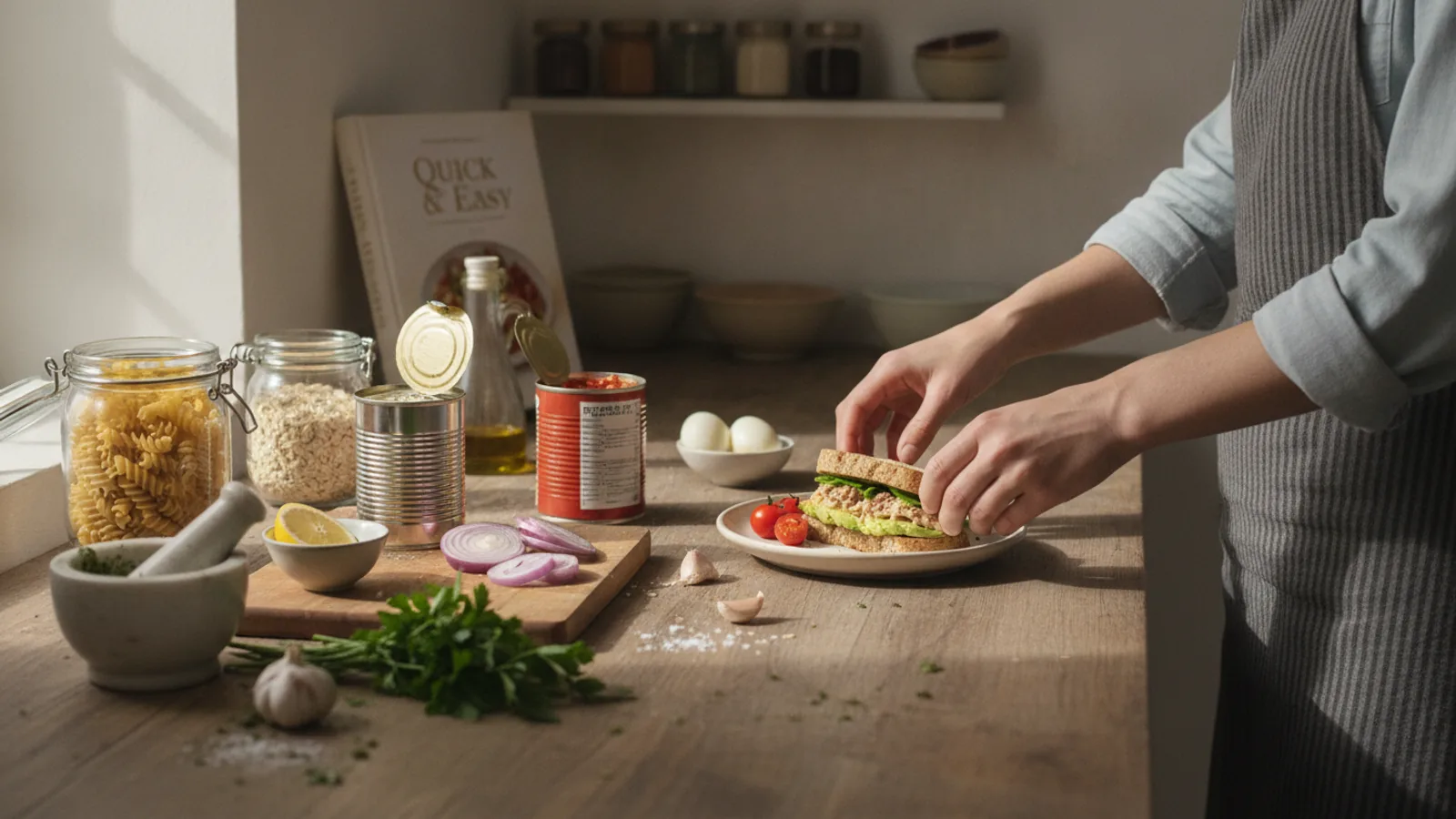
This guide shows you how to prepare a quick, satisfying lunch using only basic pantry staples like canned beans, pasta, rice, eggs, and spices. You'll learn to combine these items into a flexible meal that takes about 15 minutes from start to finish. The steps cover everything from assessing your pantry to cooking and seasoning, with tips for customization and problem-solving. Whether you're new to cooking or short on time, this guide offers practical, straightforward instructions to help you create a nourishing meal without a trip to the store.
Fast Answer
- Choose a base like pasta, rice, or bread, then add protein from canned beans or eggs, and finish with any vegetables or sauces you have on hand.
- Cook your base according to package directions, heat the protein and vegetables in a pan, combine everything, and season with herbs, spices, and a squeeze of lemon if available.
Before You Start
- Open your pantry and take a quick inventory of shelf-stable items like pasta, rice, canned beans, canned vegetables, broths, oils, vinegars, and dried herbs or spices. Knowing what you have helps you avoid waste and plan your meal.
- Check the expiration dates on any canned goods or packaged items to ensure they are safe to use. This prevents spoiled flavors or potential food safety issues.
- Set out a large pot for boiling, a skillet for sautéing, a colander for draining, and basic tools like a knife and cutting board. Having everything within reach makes the process smoother.
- Fill a kettle or pot with water and bring it to a boil while you gather your ingredients. This saves time so you can start cooking immediately.
Step-by-Step Instructions
Assess Your Pantry and Choose a Base
First, take a thorough look at your pantry shelves and identify which staple ingredients you have. Look for items like pasta, rice, couscous, quinoa, or even bread or tortillas. These will serve as the foundation of your meal. Next, scan for protein sources such as canned beans (black, chickpeas, kidney), canned tuna or salmon, or eggs. Also, note any canned vegetables, jarred tomatoes, olives, or dried herbs and spices. This assessment helps you avoid buying duplicates and ensures you use what you already have. If you have a choice, consider the cooking time: pasta and rice are quick, while dried beans require soaking. For a truly quick lunch, choose pasta or instant rice. Check that your chosen base is not expired and that you have enough water to cook it. Also, think about the flavor profile you desire; for instance, if you have Italian herbs, go for a tomato-based dish, or if you have curry powder, consider a bean curry. This step is crucial because it sets the direction for your meal and prevents wasting time later.
Prepare Your Base and Start Cooking
Begin by bringing a large pot of salted water to a rolling boil. While waiting, measure out the appropriate amount of your chosen base. For pasta, use about 2 ounces (about a fistful) per person. If using rice, a quarter cup uncooked yields about a half cup cooked. Once the water boils, add the base and stir to prevent sticking. Cook according to package instructions, usually 8-12 minutes for pasta, and 15-20 minutes for rice. Set a timer and taste test a few minutes before the suggested time to ensure it's cooked to your liking. Remember that pasta should be al dente, slightly firm to the bite, because it will continue cooking slightly when combined with sauce later. This timing check is important because overcooking leads to mushy textures if you plan to add other ingredients. While the base cooks, you can move on to preparing the other components, but keep an eye on the pot to prevent boil-overs. When done, drain the base in a colander and rinse it with warm water only if you're not using it immediately; this stops the cooking process. If you're using rice, let it rest off the heat with the lid on for five minutes to fluff.
Sauté Your Protein and Vegetables
While your base cooks, heat a splash of olive oil in a skillet over medium heat. Add any canned beans, drained and rinsed, and let them heat through, stirring occasionally for about 3-5 minutes. If you're using eggs, you can scramble them in the same skillet, or fry them separately. For canned vegetables like corn, peas, or diced tomatoes, add them to the skillet along with the beans. Season with salt, pepper, and any herbs or spices you like, such as cumin, paprika, or Italian seasoning. If you have an onion or garlic, chop and sauté them first for added flavor. This step is where you infuse the dish with taste and nutrition. Cook until everything is heated through and any raw vegetables are tender-crisp. Taste and adjust seasoning as needed. This ensures that your protein is well-seasoned and complements the base, avoiding a bland meal. If you have leftover cooked meat, you can add it here to warm through. Remember to stir occasionally to prevent sticking, and if the skillet gets dry, add a splash of water or broth.
Combine the Base and Sautéed Mixture
Once your base is cooked and drained, and your protein-vegetable mixture is ready, it's time to bring them together. Add the cooked base directly to the skillet with the sautéed mixture, or transfer everything to a large bowl. Toss gently with a spatula or wooden spoon until the base is well coated with the flavors from the other ingredients. If the mixture seems dry, add a ladleful of pasta water or a splash of broth to loosen it. If you have a jar of pasta sauce, pesto, or even a can of diced tomatoes, you can stir that in as well to create a saucier dish. This combination step is crucial because it melds the textures and flavors, ensuring every bite is satisfying. Check for even distribution of ingredients, and if you like, add a handful of fresh spinach or arugula, which will wilt slightly from the heat. This step transforms separate components into a cohesive meal. Remember that the base should absorb some of the sauce, so don't add too much liquid at once.
Season and Adjust Flavor to Your Liking
Before serving, taste your creation and adjust the seasoning. Add salt and pepper gradually, keeping in mind that canned goods often have added salt, so you may need less. If the dish lacks acidity, add a squeeze of lemon juice or a splash of vinegar. If it needs freshness, sprinkle with chopped fresh herbs like parsley, cilantro, or basil, if available. For a spicy kick, add red pepper flakes or hot sauce. This step is essential because it personalizes the meal and balances flavors. Remember that you can always add more but can't take away, so go easy. If the dish is too dry, add a little broth or olive oil. If it's too saucy, let it simmer for a minute to reduce. This adjustment ensures that the final dish is delicious and suits your taste preferences. Don't be afraid to experiment with different spice combinations to keep it interesting.
Serve and Enjoy Your Quick Lunch
Now that your meal is perfectly seasoned, it's time to plate it. Use a ladle or spoon to serve into bowls or plates. If you have additional garnishes like cheese, sour cream, or avocado slices, place them on top. Consider a side of bread or crackers if you have them. Sit down and take a moment to appreciate your creation. This final step is not just about eating; it's about recognizing that you've made a satisfying meal from basic ingredients, boosting your confidence in the kitchen. As you eat, pay attention to the flavors and textures, and think about what you might change next time. Perhaps you'll add different vegetables or a different protein. This reflection helps you improve your improvisational cooking skills. Enjoy your lunch, and feel free to store any leftovers in an airtight container in the refrigerator for up to three days. Reheat thoroughly before eating. This step ensures you don't waste food and gives you a head start for another meal.
Quick Reference
| Situation | Action | Why it helps |
|---|---|---|
| You only have a can of beans and a packet of instant rice. | Cook the rice, sauté the beans with any spices you have, combine, and add a splash of soy sauce or hot sauce. | This takes under 10 minutes and provides a protein-rich, satisfying meal with minimal effort. |
| You have leftover cooked pasta and a jar of marinara sauce. | Reheat the pasta in a skillet with sauce and any canned vegetables like mushrooms or olives, then top with any cheese. | This repurposes leftovers into a comforting dish that avoids food waste and requires no new cooking. |
| You have eggs and bread but no other fresh ingredients. | Scramble the eggs and serve them on toast, seasoning with salt, pepper, and any dried herbs you have. | This creates a protein-rich meal with pantry staples that is quick to prepare and filling enough for lunch. |
Common Issues
- The pasta or rice is undercooked or too hard.: Put it back into the pot with a little water, cover, and simmer for 2-3 minutes until tender, checking frequently.
- The dish tastes bland or lacks flavor.: Add salt and pepper, then consider boosting with acidic ingredients like lemon juice or vinegar, and include more herbs and spices in small increments until it tastes balanced.
- The meal is too dry or sticky.: Add a few tablespoons of water, broth, or olive oil to moisten it, and stir well; if it's sticky, gently break it apart with a fork or spatula.
Advanced Tips
- Keep a selection of spice blends like curry powder, Italian seasoning, or Cajun seasoning to instantly transform a dish with one addition.
- Buy a variety of canned beans (chickpeas, black beans, pinto) and keep them stocked to provide different textures and flavors.
- Always save the water from cooking pasta or vegetables; it acts as a natural thickener and flavor enhancer when added to sauces.
Final Checklist
- Check that you have a kitchen timer or use your phone's timer to keep track of cooking times.
- Taste the cooked base before combining to ensure it is cooked but not overdone.
- Before serving, verify the seasoning is balanced and adjust if necessary.
- Store any leftovers in an airtight container and refrigerate them promptly within two hours.
FAQ
Can I use frozen vegetables instead of canned?
Yes, frozen vegetables are just as nutritious and often have a better texture than canned. You can add them directly to the skillet without thawing; just increase the cooking time by about 2-3 minutes to ensure they are heated through.
How long can I keep leftovers in the fridge?
You can store leftovers in an airtight container in the refrigerator for up to three days. Reheat thoroughly in the microwave or on the stovetop until piping hot before eating. If you want to keep them longer, you can freeze them for up to three months, but the texture may change slightly.
What if I don't have any canned beans?
You can substitute with any protein you have on hand, such as canned tuna, leftover cooked chicken, or even a handful of nuts or seeds. If you have eggs, scramble them or fry a sunny-side-up egg to place on top. Tofu or cooked lentils also work well. Just adjust the cooking time accordingly to ensure your protein is heated through.